
T130X Reinforced Ultrafine Mill for Pyroxenite Grinding: A Technical Deep Dive
We provide a wide range of mills — including Raymond mill, trapezoidal mill, vertical mill, ultrafine mill, and ball mill, obtained ISO9001 international quality certification, EU CE certification, and Customs Union CU-TR certification. Suitable for processing minerals such as limestone, phosphate, quicklime, kaolin, talc, barite, bentonite, calcium carbonate, dolomite, coal, gypsum, clay, carbon black, slag, cement raw materials, cement clinker, and more.
The discharge range of these mills can be adjusted to meet specific processing needs, typically from 80-400 mesh, 600-3250 mesh, and can achieve the finest particle size of up to 6000 mesh(D50).
If you are looking for a reliable grinding solution to turn stone or minerals into fine powder, please feel free to contact our online customer service.
Unlocking the Potential of Pyroxenite with Advanced Ultrafine Grinding
Pyroxenite, a coarse-grained igneous rock composed primarily of pyroxene minerals, presents unique challenges in mineral processing. Its variable hardness, abrasive nature, and the industrial demand for ultra-fine powders in applications ranging from ceramics to soil conditioners necessitate grinding equipment of exceptional robustness, precision, and efficiency. The T130X Reinforced Ultrafine Mill emerges as a purpose-engineered solution, designed to transform these dense, tough materials into consistent, high-value powders with remarkable operational economy.
Engineering for Abrasive Challenges: The Reinforced Design Philosophy
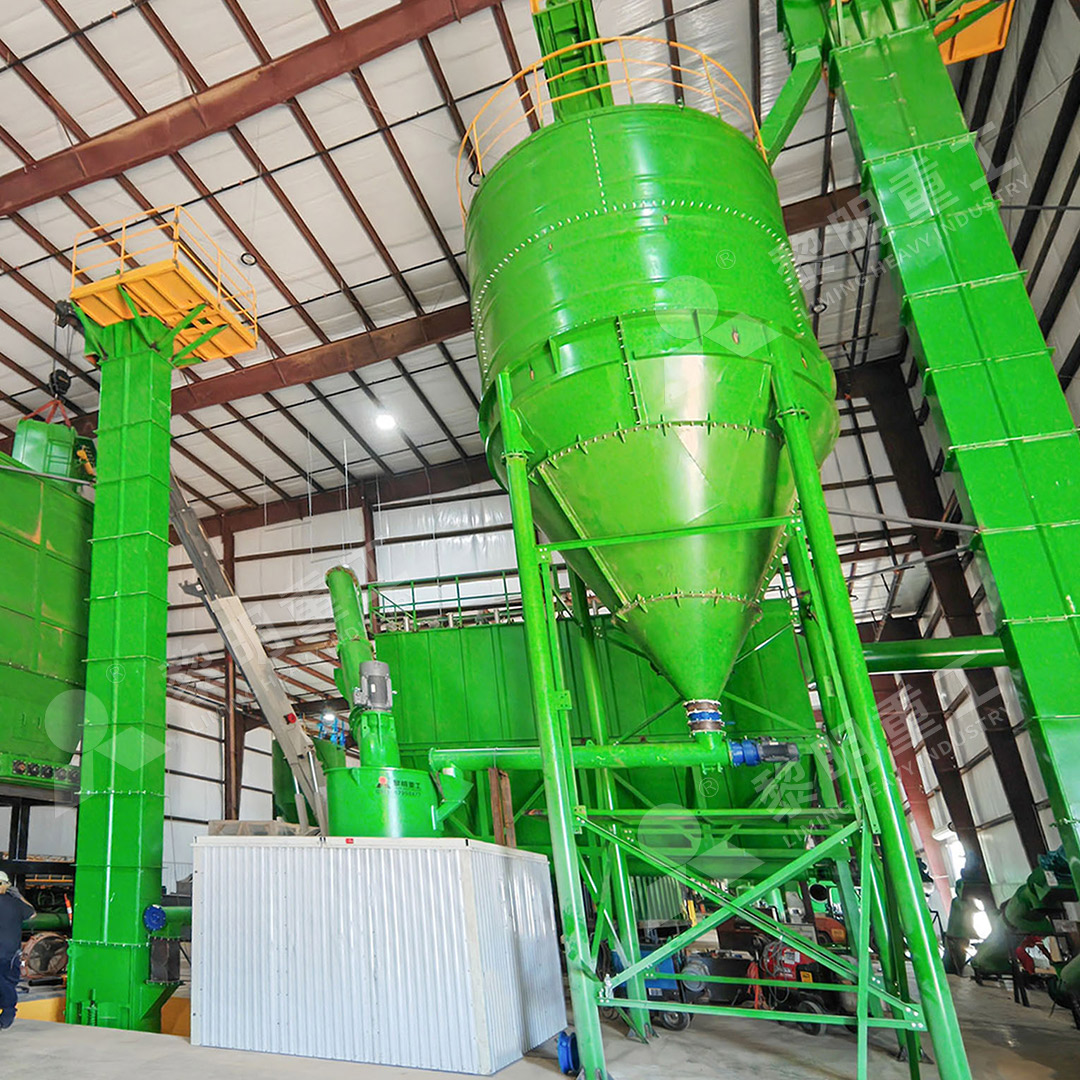
Conventional mills often succumb to accelerated wear when processing abrasive materials like pyroxenite, leading to frequent downtime, contamination from worn parts, and escalating maintenance costs. The T130X mill addresses this head-on with a reinforced structural design. Key components, including the grinding roller and ring, are fabricated from high-performance wear-resistant alloys, developed through extensive R&D to withstand prolonged abrasive contact. This reinforcement is not merely about material selection; it’s integrated into the mill’s kinematics. The grinding curve—the precise path and pressure profile of the roller against the ring—is optimized to maximize grinding efficiency while distributing wear more evenly, significantly extending the service life of these critical parts.
Furthermore, the mill’s foundation and mainframe are constructed with added rigidity to dampen vibrations inherent in processing hard rock. This stability is crucial for maintaining the tight tolerances required for ultrafine classification, ensuring the final product’s particle size distribution remains consistent over long operational campaigns. The system’s intelligent design also facilitates easier access to the grinding chamber for inspection and part replacement, turning what could be a multi-day maintenance procedure into a more streamlined operation.
Precision Classification and System Intelligence
The journey from raw pyroxenite feed (typically pre-crushed to below 20mm) to a uniform product often finer than 10 microns hinges on more than just pulverization. The separation stage is equally critical. The T130X mill incorporates a high-efficiency, multi-head cage powder selector. This technology allows for precise aerodynamic classification within the mill body itself. Operators can accurately adjust the fineness of the output between 325 to 2500 meshes by regulating the selector’s rotor speed, responding dynamically to different product specifications without stopping the process.
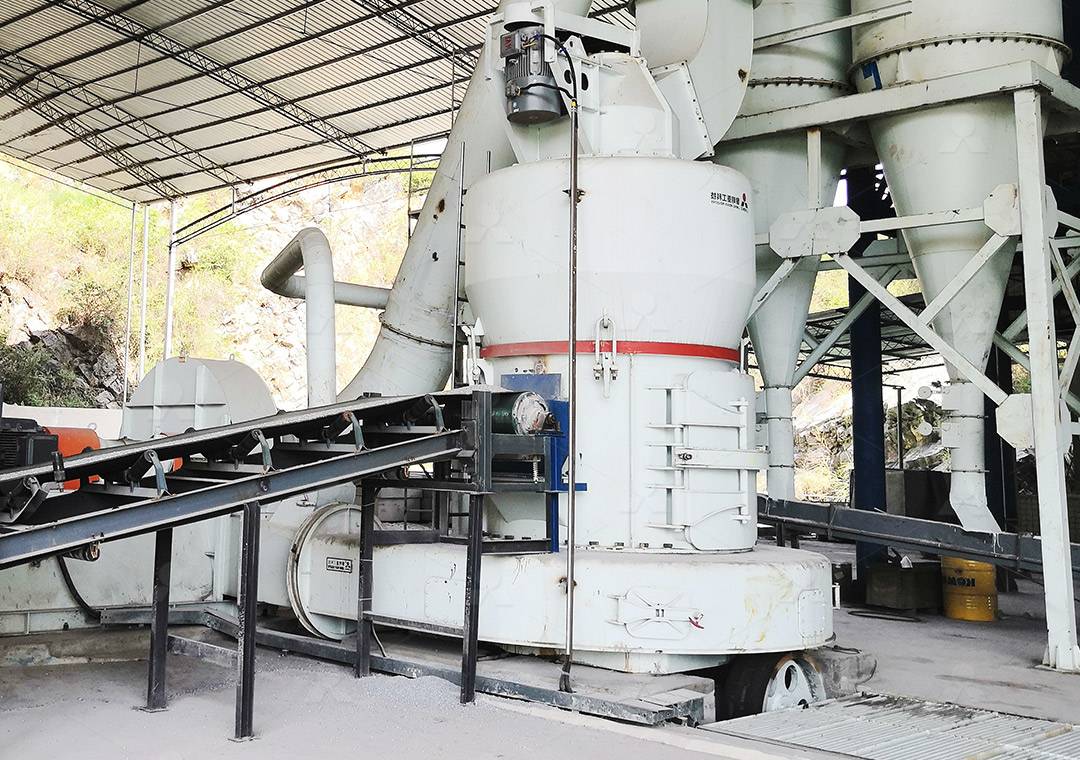
This precision is managed by an advanced, automated control system. Key parameters such as grinding pressure, feeder rate, classifier speed, and internal temperature are continuously monitored and adjusted. This digital oversight ensures optimal loading of the grinding chamber, prevents blockages, and maintains peak energy efficiency. The result is a system that not only produces powder of exceptional quality but does so with a level of consistency and automation that reduces operator burden and minimizes human error.
Eco-Conscious Operation and Seamless Integration
Modern mineral processing must balance productivity with environmental responsibility. The T130X Reinforced Ultrafine Mill is designed as a closed, negative-pressure system. The entire grinding and conveying circuit is sealed, and any potential dust is immediately captured by an integrated high-efficiency pulse jet baghouse dust collector. This ensures a clean working environment and allows the plant to meet stringent international emission standards. Additionally, strategic sound insulation and mufflers are fitted to the mill and its auxiliary fans, dramatically reducing acoustic pollution.
For operations that require a different balance of capacity or are processing slightly less abrasive ultrafine powders, our MW Ultrafine Grinding Mill presents an excellent alternative. With an input size of 0-20 mm and a capacity range of 0.5-25 tph, the MW Mill is engineered for customers focused on making ultra-fine powder. Its standout feature is the absence of rolling bearings and screws in the grinding chamber, eliminating common failure points and enabling worry-free, continuous 24/7 operation. Equipped with the same efficient pulse dust collector and advanced cage-type powder selector, it offers a compelling package of reliability, fine-tuning capability (325-2500 meshes), and environmental compliance for a wide array of materials.
From Rock to Refined Powder: The Pyroxenite Application Workflow
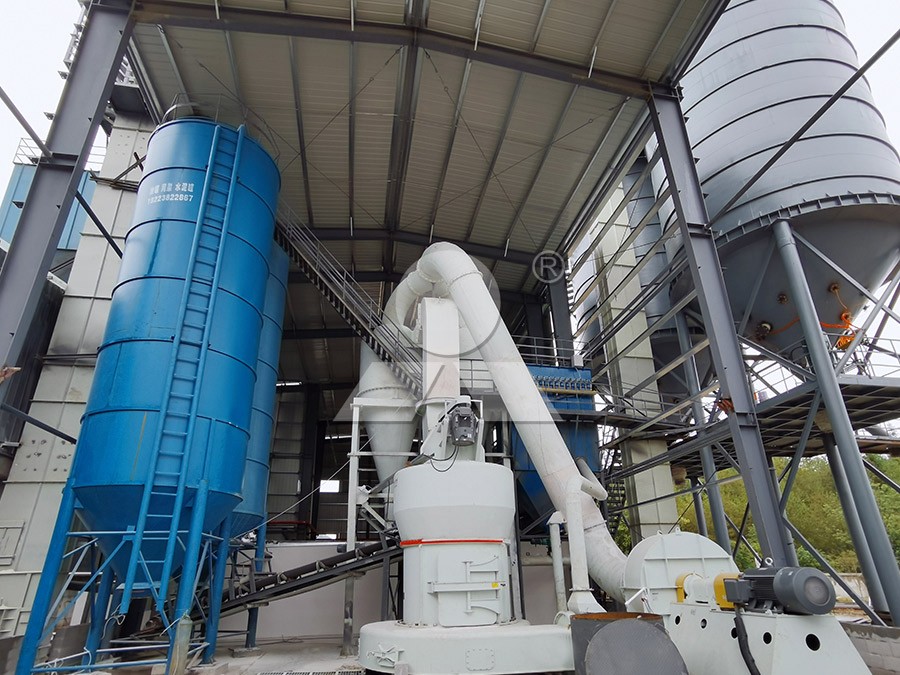
The processing of pyroxenite in the T130X mill follows a streamlined, continuous path. Pre-crushed material is fed via a vibrating feeder at a controlled rate to ensure a stable material bed in the grinding chamber. The centrifugal force generated by the rotating turntable carries the material into the path of the grinding rollers, where size reduction occurs through compression and inter-particle grinding. The ground particles are carried upwards by the airflow generated by the system’s blower into the integral classifier. Here, the coarse particles are rejected and returned for further grinding, while the in-spec fine powder proceeds to the cyclone collector for final discharge.
This integrated approach—crushing, grinding, classifying, and collecting in a single, cohesive system—minimizes footprint, reduces energy losses associated with material transfer between standalone units, and simplifies overall plant logistics. For projects requiring high-capacity vertical grinding of non-metallic minerals, our LUM Ultrafine Vertical Grinding Mill is another cornerstone technology. With its latest grinding roller technology and German powder separating technology, the LUM mill integrates ultrafine powder grinding, grading, and transporting into a highly efficient vertical layout, offering capacities from 5-18 tph for materials under 10mm.
Conclusion: A Strategic Asset for Value Addition
Selecting the T130X Reinforced Ultrafine Mill for pyroxenite grinding is an investment in precision, durability, and sustainable production. It transcends being mere machinery to become a strategic asset that enables producers to access higher-value market segments with a superior, consistent product. By solving the core challenges of wear, classification accuracy, and system stability, it delivers lower total cost of ownership, higher availability, and a future-proof operation aligned with both economic and environmental goals. In the demanding world of industrial minerals, such technological advantage is not just beneficial—it is essential.
Frequently Asked Questions (FAQ)
- What is the typical feed size for pyroxenite in the T130X Mill?
The T130X mill is designed to handle feed material that has been primarily crushed to a maximum size of approximately 20mm. A consistent, properly sized feed is crucial for stable operation and optimal grinding efficiency. - How does the mill handle the abrasive nature of pyroxenite?
The mill is “reinforced” specifically for this challenge. It uses specially developed wear-resistant alloys for the grinding roller and ring, an optimized grinding curve to reduce localized wear, and a robust mechanical design to ensure longevity and minimize maintenance downtime. - What fineness range can be achieved?
Through its advanced multi-head cage powder selector, the T130X mill can reliably produce powders in a fineness range from 325 meshes (about 45 microns) up to 2500 meshes (approximately 5 microns). The fineness is easily adjustable during operation. - Is the system environmentally friendly?
Yes. It operates as a fully enclosed, negative-pressure system. Any fugitive dust is captured by a high-efficiency pulse jet dust collector, ensuring emissions are well below standard limits. Noise is also controlled through integrated mufflers and insulation. - What kind of automation and control does it feature?
The mill is equipped with a comprehensive PLC-based control system. It allows for remote monitoring and adjustment of key parameters like feeding rate, grinding pressure, classifier speed, and temperature, enabling stable, efficient, and minimally manned operation. - How does the T130X compare to a traditional ball mill for this application?
Compared to a ball mill, the T130X offers significantly higher energy efficiency (often 30-40% less energy consumption), a much smaller physical footprint, superior product fineness control, and lower iron contamination due to reduced mechanical wear and tear in the grinding chamber.