
T130X Enhanced Ultrafine Grinding Mill for Efficient Processing of Flint
We provide a wide range of mills — including Raymond mill, trapezoidal mill, vertical mill, ultrafine mill, and ball mill, obtained ISO9001 international quality certification, EU CE certification, and Customs Union CU-TR certification. Suitable for processing minerals such as limestone, phosphate, quicklime, kaolin, talc, barite, bentonite, calcium carbonate, dolomite, coal, gypsum, clay, carbon black, slag, cement raw materials, cement clinker, and more.
The discharge range of these mills can be adjusted to meet specific processing needs, typically from 80-400 mesh, 600-3250 mesh, and can achieve the finest particle size of up to 6000 mesh(D50).
If you are looking for a reliable grinding solution to turn stone or minerals into fine powder, please feel free to contact our online customer service.
Unlocking the Potential of Flint: A Modern Milling Challenge
Flint, a form of microcrystalline quartz, presents a unique set of challenges for the modern mineral processing industry. Its exceptional hardness, coupled with the demand for ultra-fine powders in applications ranging from ceramics and abrasives to specialized fillers, necessitates grinding technology that is both robust and precise. Traditional milling approaches often struggle with the high energy consumption, excessive wear, and inconsistent particle size distribution associated with processing such hard, brittle materials. The industry requires a solution engineered specifically for high-performance, fine-grinding applications—a solution that delivers efficiency, reliability, and superior product quality.
Engineering Excellence: The T130X Design Philosophy
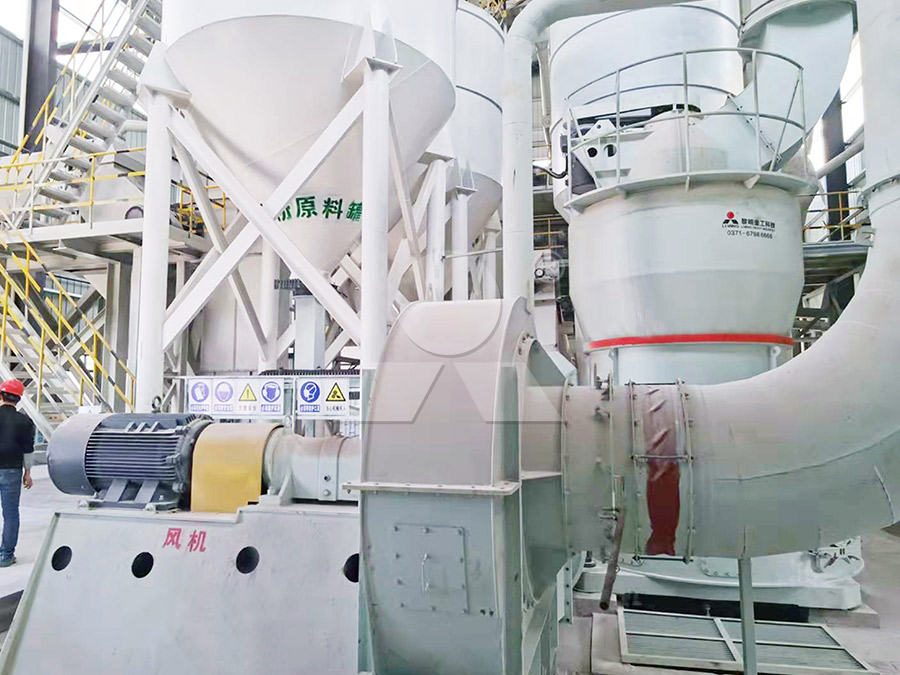
The T130X Enhanced Ultrafine Grinding Mill is conceived as a next-generation answer to these demanding requirements. Its design incorporates advanced mechanical principles and material science to directly address the inefficiencies of older mill types. At its core is a reinforced grinding assembly, featuring specially formulated grinding rollers and rings that offer dramatically improved wear resistance against abrasive materials like flint. This directly translates to longer service intervals, reduced maintenance downtime, and lower long-term operating costs.
A key innovation lies in its optimized grinding curve and chamber dynamics. The geometry ensures a more effective grinding path, increasing the probability of particle-on-particle fracture—the most energy-efficient comminution method for brittle materials. This design minimizes wasteful friction and heat generation, focusing energy directly on the size reduction process. Furthermore, the mill’s high-capacity centrifugal classifier allows for precise, in-process control over the final product fineness, enabling operators to target specific micron ranges from coarse grits down to powders finer than 10 microns, all with a narrow particle size distribution.
Operational and Environmental Synergy
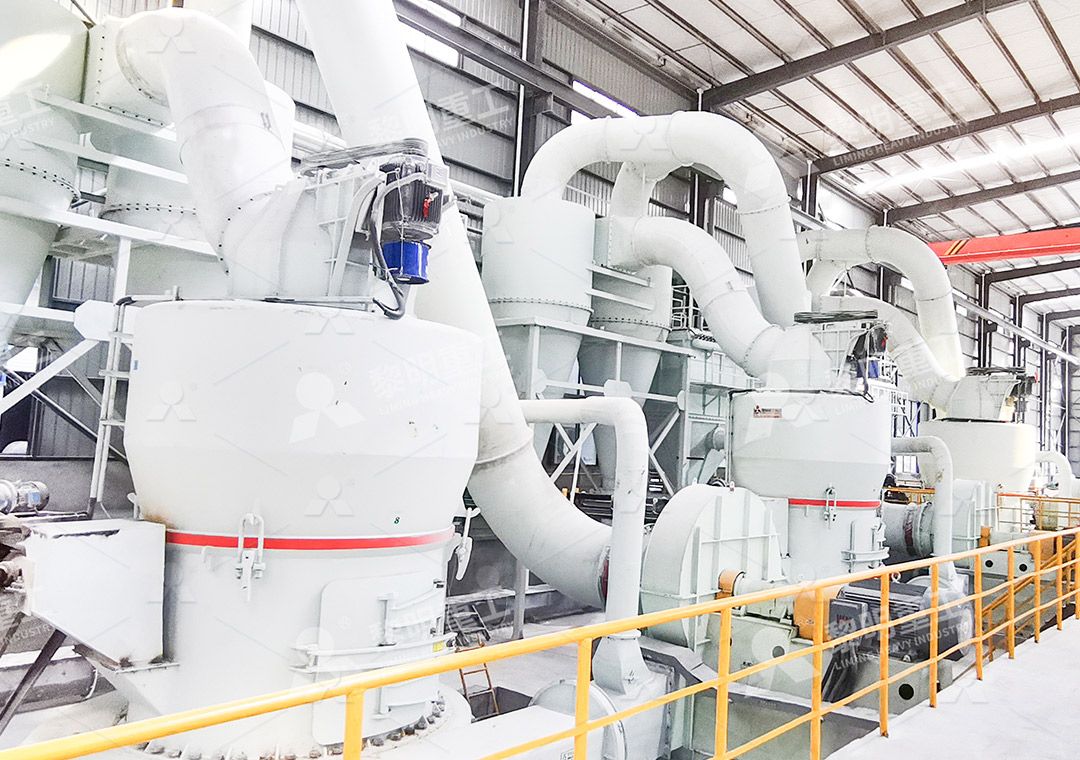
Beyond pure grinding performance, the T130X is built for seamless integration into modern, responsible production lines. The mill system incorporates a high-efficiency pulse-jet baghouse dust collector, ensuring that the entire grinding process is conducted under negative pressure. This contains the fine flint dust completely, preventing any workplace or environmental contamination and protecting operator health. An integrated silencer system attenuates operational noise, making the plant environment safer and more compliant with stringent industrial regulations.
Operational simplicity is another hallmark. The lubrication system for major bearings is external and automated, allowing for routine maintenance without interrupting production. The absence of complex internal screw conveyors or vulnerable rolling bearings in the grinding zone eliminates common failure points, enhancing overall system reliability. For operations seeking a complementary solution for slightly less demanding applications or different feed sizes, our MW Ultrafine Grinding Mill presents an excellent alternative. The MW Mill is designed for customers needing to make ultra-fine powder from materials with an input size of 0-20mm and capacities up to 25 tph. It features an efficient pulse dust collector and muffler, ensuring an environmentally friendly operation with reduced dust and noise, and is renowned for its higher yield and lower energy consumption, making it a versatile and economical choice.
A Strategic Investment for Superior Product Quality
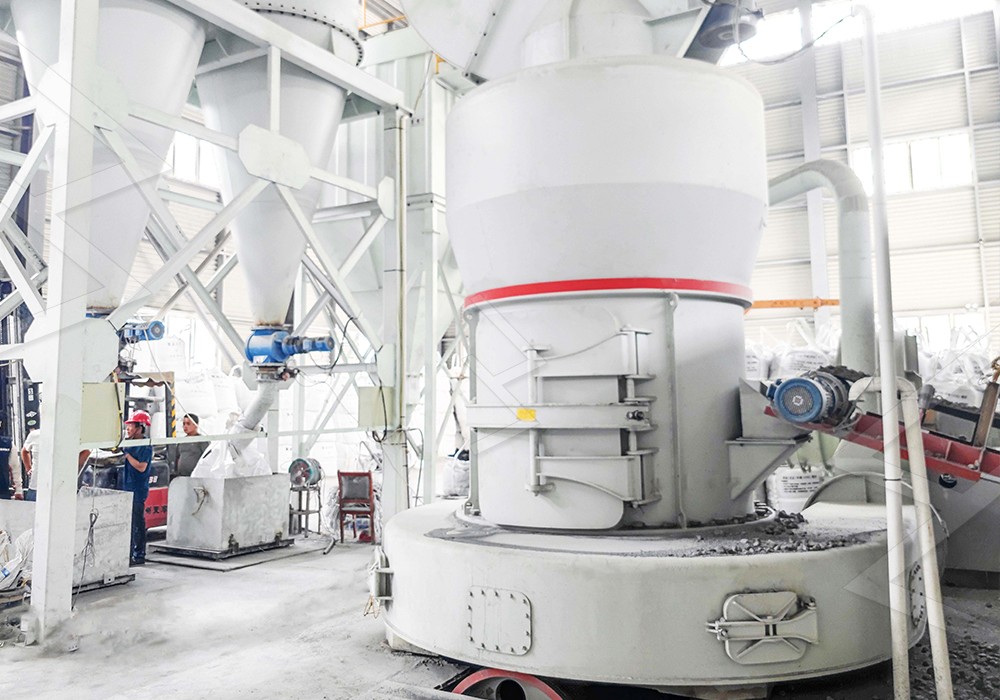
Choosing the T130X for flint processing is ultimately a strategic decision aimed at securing a competitive edge. The mill’s efficiency directly reduces kilowatt-hour consumption per ton of product, a significant factor in high-volume processing. The consistency and purity of the output powder—free from iron contamination due to its advanced grinding principle—enhance the value of the flint in downstream markets such as high-grade ceramics or precision coatings.
For projects requiring the pinnacle of vertical grinding technology with integrated drying capabilities, we also recommend considering the LUM Ultrafine Vertical Grinding Mill. Independently designed with the latest grinding roller and German powder separating technology, the LUM mill integrates grinding, grading, and transporting into a single, highly efficient unit. It is particularly effective for achieving superfine dry powders with excellent whiteness and cleanliness, offering energy savings of 30%-50% compared to common mills. Its reversible structure allows for easy maintenance, making it a superb choice for advanced mineral processing lines.
In conclusion, the T130X Enhanced Ultrafine Grinding Mill represents a paradigm shift in hard mineral processing. It transforms the challenge of milling flint into an opportunity for producing high-value, consistent ultra-fine powders with unprecedented operational economy and environmental stewardship.
Frequently Asked Questions (FAQ)
- What is the typical input size and capacity range for the T130X Mill when processing flint?
The T130X is designed to handle feed materials with a maximum size typically under 20mm. The capacity can vary based on the desired final fineness, but it operates efficiently in industrial-scale ranges suitable for continuous production lines processing hard minerals. - How does the mill prevent contamination of the flint powder, especially from iron?
The grinding mechanism is designed to minimize metal-to-metal contact in the grinding zone. Critical wear parts are made from high-chromium or other specialized alloys, and the grinding principle itself (roller/ring) reduces iron wear. Furthermore, optional magnetic separators can be installed in the feeding system for added protection. - What kind of fineness can be achieved with flint?
The T130X, equipped with its high-precision classifier, can consistently produce flint powders ranging from 325 mesh (45 microns) down to 2500 mesh (5 microns) or even finer, with tight particle size distribution control. - Is the system automated?
Yes, the T130X mill system can be fully equipped with PLC-based automation. This allows for control of feeding rate, grinding pressure, classifier speed, and temperature, ensuring stable operation and consistent product quality with minimal manual intervention. - How is dust control managed?
The mill is a closed-circuit system operating under negative pressure. It is integrally paired with a high-efficiency pulse-jet baghouse dust collector that captures over 99.9% of airborne particles, ensuring a clean plant environment and allowing for product recovery. - What are the primary wear parts, and what is their expected service life with abrasive flint?
The primary wear parts are the grinding rollers and rings. Their service life depends on flint hardness and production volume, but they are manufactured from specially developed, ultra-wear-resistant materials to maximize operational uptime. Life can often be extended by repositioning or reversing components. - Can the mill handle moist feed material?
The standard T130X is designed for dry grinding. For materials with significant moisture, a dedicated hot air source (furnace or heater) can be integrated into the system to provide simultaneous drying and grinding within the mill chamber.