
T Type Grinding Mill for Pyrophyllite Processing: Achieving Superior Fineness and Efficiency
We provide a wide range of mills — including Raymond mill, trapezoidal mill, vertical mill, ultrafine mill, and ball mill, obtained ISO9001 international quality certification, EU CE certification, and Customs Union CU-TR certification. Suitable for processing minerals such as limestone, phosphate, quicklime, kaolin, talc, barite, bentonite, calcium carbonate, dolomite, coal, gypsum, clay, carbon black, slag, cement raw materials, cement clinker, and more.
The discharge range of these mills can be adjusted to meet specific processing needs, typically from 80-400 mesh, 600-3250 mesh, and can achieve the finest particle size of up to 6000 mesh(D50).
If you are looking for a reliable grinding solution to turn stone or minerals into fine powder, please feel free to contact our online customer service.
Unlocking the Potential of Pyrophyllite Through Advanced Grinding Technology
Pyrophyllite, a versatile aluminosilicate mineral known for its exceptional thermal stability, low thermal expansion, and chemical inertness, has become increasingly valuable across numerous industrial sectors. From ceramics and refractories to paints and cosmetics, the demand for precisely controlled pyrophyllite powders continues to grow. However, processing this mineral to achieve the required fineness and purity presents significant technical challenges that conventional grinding equipment often fails to address adequately.
The transformation of raw pyrophyllite into high-value powder requires more than simple size reduction—it demands a comprehensive approach that preserves the mineral’s inherent properties while delivering consistent particle size distribution. Traditional grinding methods frequently introduce contamination, generate excessive heat that alters material characteristics, or fail to achieve the ultra-fine specifications required by premium applications.
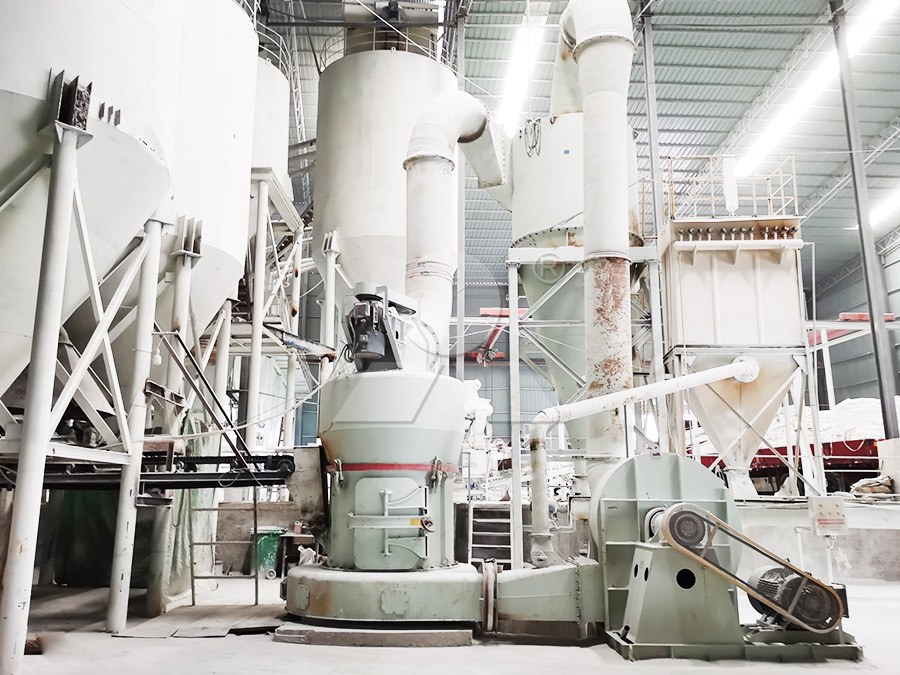
The Technical Hurdles in Pyrophyllite Processing
Processing pyrophyllite effectively requires overcoming several specific obstacles. The mineral’s variable hardness (1-2 on Mohs scale) and perfect basal cleavage create difficulties in maintaining consistent grind quality. Additionally, its plate-like crystal structure demands careful processing to prevent delamination that can compromise final product performance. Moisture content presents another challenge, as pyrophyllite often contains structural water that must be preserved during grinding to maintain its valuable properties.
Conventional ball mills, while capable of reducing particle size, often introduce iron contamination from grinding media and consume excessive energy. Raymond mills, though widely used, struggle to achieve the sub-10 micron fineness increasingly demanded by advanced applications. These limitations have driven the development of specialized grinding technologies specifically engineered for minerals like pyrophyllite.
Advanced Grinding Solutions for Premium Pyrophyllite Powder
Modern grinding technology has evolved significantly to address the precise requirements of pyrophyllite processing. The ideal grinding system must combine several critical capabilities: precise particle size control, contamination-free operation, energy efficiency, and adaptability to varying feed materials. Among the available options, our MW Ultrafine Grinding Mill stands out as particularly well-suited for pyrophyllite applications.
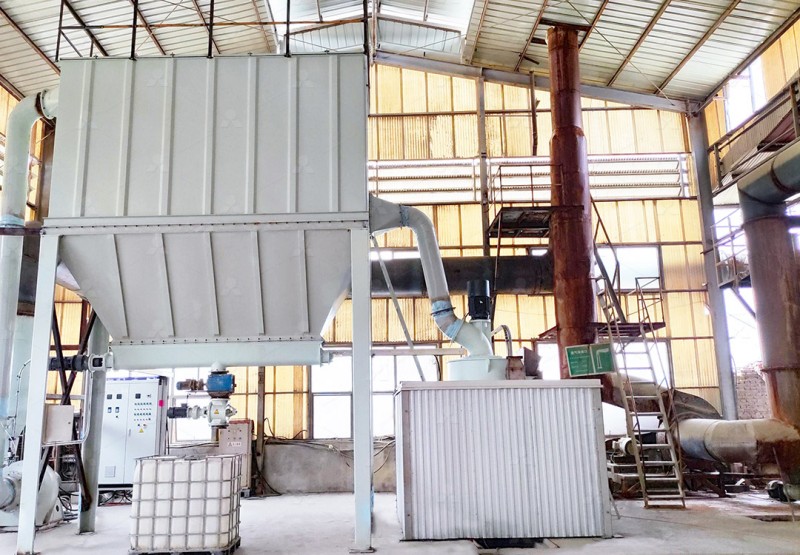
Specifically designed for customers requiring ultra-fine powder production, the MW Ultrafine Grinding Mill represents a significant advancement in mineral processing technology. With an input size capability of 0-20 mm and capacity ranging from 0.5 to 25 tph, this machine handles the full spectrum of pyrophyllite processing requirements. The integrated efficient pulse dust collector and muffler system ensures minimal environmental impact while maintaining optimal working conditions.
Technical Superiority in Pyrophyllite Applications
The MW Ultrafine Grinding Mill delivers exceptional performance through several innovative design features. The newly engineered grinding curves of the grinding roller and ring significantly enhance grinding efficiency, achieving production capacity 40% higher than jet grinding mills and stirred grinding mills with identical fineness and power consumption. Compared to traditional ball grinding mills, the yield doubles while system energy consumption drops to just 30% of jet grinding mill requirements.
For pyrophyllite processors, the adjustable fineness between 325-2500 meshes provides unprecedented flexibility. The German-technology cage-type powder selector ensures precise powder separation, while the optional multi-head configuration allows customization based on specific yield, fineness, and sieving rate requirements. The system consistently achieves d97≤5μm in a single pass, a critical capability for high-value pyrophyllite applications.
Engineering Excellence for Uninterrupted Operation
Perhaps most importantly for pyrophyllite processors requiring continuous operation, the MW Ultrafine Grinding Mill eliminates rolling bearings and screws within the grinding chamber. This design innovation prevents bearing damage and eliminates machine failure caused by loose screws—common problems in conventional grinding systems. The externally mounted lubricating device enables lubrication without shutdown, supporting 24-hour continuous production that maximizes operational efficiency.
The environmental performance of the MW mill aligns perfectly with modern manufacturing standards. The efficient pulse dust collector ensures dust-free operation throughout the entire milling system, while integrated silencers and noise elimination rooms maintain workplace comfort. Every aspect of production complies with national environmental protection standards, making this equipment suitable for even the most regulated operating environments.
Complementary Technology: LUM Ultrafine Vertical Grinding Mill
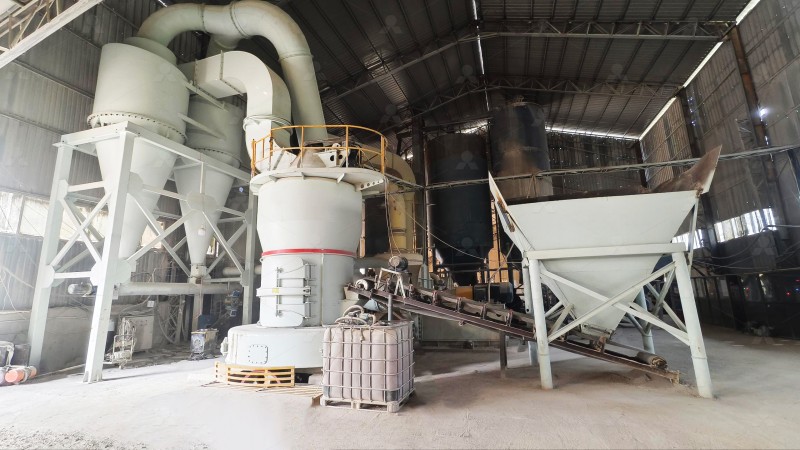
For operations requiring even greater precision, our LUM Ultrafine Vertical Grinding Mill offers additional advantages. With input size of 0-10 mm and capacity of 5-18 tph, this mill incorporates the latest Taiwanese grinding roller technology and German powder separating technology. The unique roller shell and lining plate grinding curve specifically addresses problems of long lingering time, repeated grinding, and high iron content that plague traditional grinding mills.
The LUM mill’s double position-limiting technology provides exceptional operational stability, preventing destructive impacts during machine vibration. The reversible structure simplifies maintenance, allowing operators to easily move grinding rollers out of the body for inspection and replacement. This design consideration significantly reduces downtime and associated losses.
Transforming Pyrophyllite into Value-Added Products
The advanced grinding technology embodied in the MW and LUM mills enables pyrophyllite processors to create premium products for diverse markets. In ceramics, the precisely controlled particle size distribution improves green strength and fired density. For refractory applications, the preservation of pyrophyllite’s plate-like structure enhances thermal shock resistance. In paints and coatings, the consistent fineness ensures optimal opacity and suspension properties.
Beyond technical performance, these grinding systems deliver economic advantages through reduced energy consumption, minimal maintenance requirements, and maximized operational uptime. The digitalized processing with numerically controlled machine tools ensures high precision manufacturing of core components, while comprehensive spare parts support guarantees worry-free operation.
Conclusion: The Future of Pyrophyllite Processing
As demand for high-performance pyrophyllite powders continues to expand across industrial sectors, the importance of advanced grinding technology becomes increasingly critical. The MW Ultrafine Grinding Mill and LUM Ultrafine Vertical Grinding Mill represent the current pinnacle of processing equipment, combining technical sophistication with practical operational benefits. By adopting these technologies, pyrophyllite processors can achieve new levels of product quality, operational efficiency, and market competitiveness.
Frequently Asked Questions
What makes pyrophyllite particularly challenging to process compared to other minerals?
Pyrophyllite’s perfect basal cleavage and plate-like crystal structure require careful grinding to prevent delamination while maintaining particle integrity. Its variable hardness and moisture content further complicate processing, demanding equipment that can adapt to these variations without compromising final product quality.
How does the MW Ultrafine Grinding Mill achieve higher efficiency compared to traditional grinding systems?
The MW mill incorporates newly designed grinding curves of the grinding roller and ring that significantly enhance grinding efficiency. It delivers 40% higher production capacity than jet or stirred grinding mills with the same fineness and power, while consuming only 30% of the energy of jet grinding mills.
What fineness range can be achieved with the MW Ultrafine Grinding Mill for pyrophyllite processing?
The MW mill offers adjustable fineness between 325-2500 meshes, with the capability to achieve d97≤5μm in a single pass. The German-technology cage-type powder selector ensures precise separation, while multi-head configurations allow customization based on specific production requirements.
How does the equipment prevent iron contamination during pyrophyllite grinding?
Both the MW and LUM mills feature designs that minimize metal-to-metal contact in critical areas. The absence of rolling bearings and screws in the grinding chamber of the MW mill eliminates common sources of contamination. The LUM mill’s unique grinding curve and material bed compression further reduce iron introduction.
What environmental benefits do these grinding systems offer?
The integrated efficient pulse dust collector ensures dust-free operation, while silencers and noise elimination rooms reduce acoustic emissions. Both systems operate in compliance with national environmental protection standards, with the LUM mill specifically designed to work under negative pressure to prevent any dust spillage.
How does the maintenance requirement compare to conventional grinding mills?
The MW mill’s elimination of rolling bearings and screws in the grinding chamber significantly reduces maintenance needs. The LUM mill’s reversible structure allows easy access to grinding components without extensive disassembly. Both systems feature external lubrication that can be performed without shutdown.
Can these grinding systems handle variations in raw material moisture content?
Yes, both the MW and LUM mills are engineered to accommodate typical moisture variations in pyrophyllite feed materials. For applications requiring dedicated drying, the LUM mill integrates drying capabilities that maintain processing efficiency across a range of moisture conditions.
What technical support is available for operations implementing these grinding systems?
We provide comprehensive technical services including installation guidance, operational training, and ongoing support. Our sufficient supply of original spare parts ensures worry-free operation, with service teams available to address any technical challenges that may arise during operation.