
Sustainable Talc Powder Manufacturing: Eco-Friendly Production Methods
We provide a wide range of mills — including Raymond mill, trapezoidal mill, vertical mill, ultrafine mill, and ball mill, obtained ISO9001 international quality certification, EU CE certification, and Customs Union CU-TR certification. Suitable for processing minerals such as limestone, phosphate, quicklime, kaolin, talc, barite, bentonite, calcium carbonate, dolomite, coal, gypsum, clay, carbon black, slag, cement raw materials, cement clinker, and more.
The discharge range of these mills can be adjusted to meet specific processing needs, typically from 80-400 mesh, 600-3250 mesh, and can achieve the finest particle size of up to 6000 mesh(D50).
If you are looking for a reliable grinding solution to turn stone or minerals into fine powder, please feel free to contact our online customer service.
Sustainable Talc Powder Manufacturing: Eco-Friendly Production Methods
The global demand for talc powder continues to grow across industries like cosmetics, plastics, paints, and pharmaceuticals. However, traditional manufacturing methods often come with significant environmental costs, including high energy consumption, dust pollution, and noise. As sustainability becomes a core concern for manufacturers and consumers alike, adopting eco-friendly production methods is no longer optional—it’s essential for long-term viability.

The Environmental Challenges in Traditional Talc Processing
Conventional talc powder production typically involves multiple stages of crushing, grinding, and classification, each presenting environmental challenges. Energy-intensive grinding processes account for a substantial portion of a facility’s carbon footprint. Additionally, without proper dust collection systems, fine talc particles can become airborne, posing health risks to workers and contaminating surrounding ecosystems. Noise pollution from grinding equipment further compounds these environmental concerns.
Modern sustainable approaches address these issues through technological innovation, process optimization, and responsible resource management. The key lies in selecting equipment that maximizes efficiency while minimizing environmental impact throughout the production lifecycle.
Advanced Grinding Technology: The Heart of Sustainable Production
At the core of eco-friendly talc manufacturing lies advanced grinding technology. Traditional ball mills, while functional, often suffer from low efficiency and high energy consumption. The industry is increasingly turning to more sophisticated solutions that offer superior performance with reduced environmental impact.
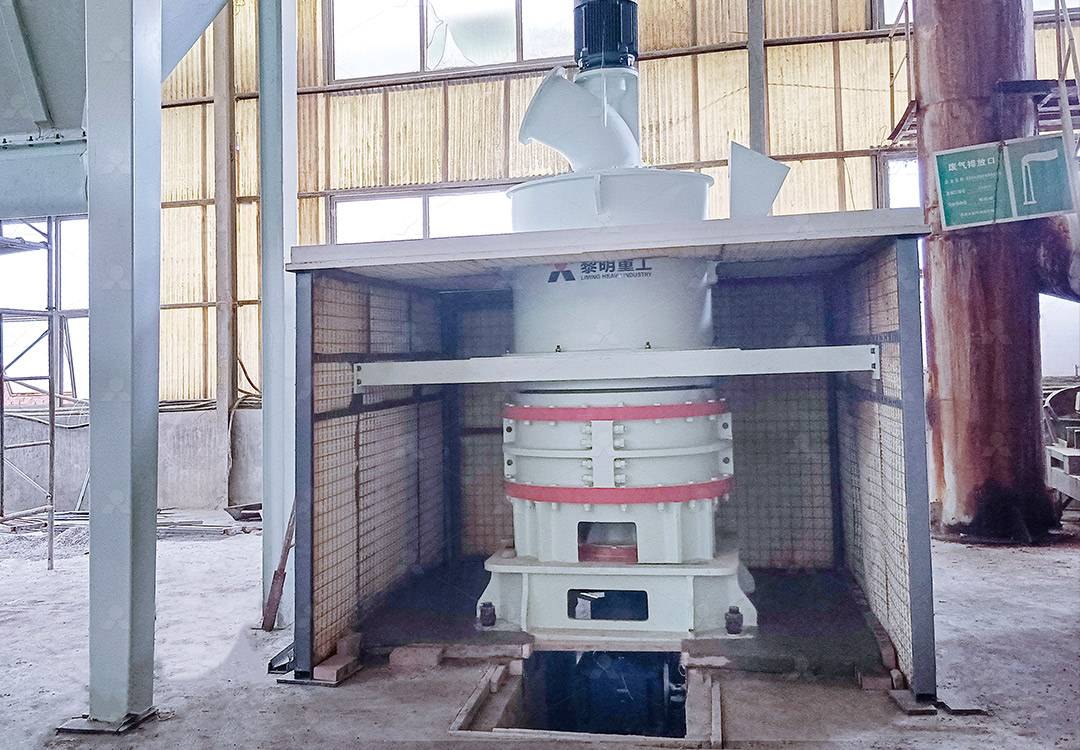
One standout solution for sustainable talc production is the MW Ultrafine Grinding Mill. This innovative equipment represents a significant leap forward in eco-efficient powder processing. Designed specifically for customers requiring ultra-fine powder, the MW mill integrates several environmentally conscious features that make it ideal for sustainable talc manufacturing.
Key Eco-Friendly Features of Modern Talc Grinding Mills
The MW Ultrafine Grinding Mill exemplifies how thoughtful engineering can address environmental concerns while maintaining high productivity. Its efficient pulse dust collector ensures no dust pollution generates during operation of the entire milling system—a critical consideration when processing fine talc powders. Additionally, silencers and noise elimination rooms are configured to reduce operational噪音, creating a better working environment and minimizing impact on surrounding communities.
From an energy perspective, the MW mill offers remarkable efficiency. With newly designed grinding curves of grinding roller and grinding ring, it achieves production capacity 40% higher than jet grinding mills and stirred grinding mills with the same fineness and power. Perhaps most impressively, its system energy consumption is only 30% of comparable jet grinding mills, significantly reducing the carbon footprint of talc production.
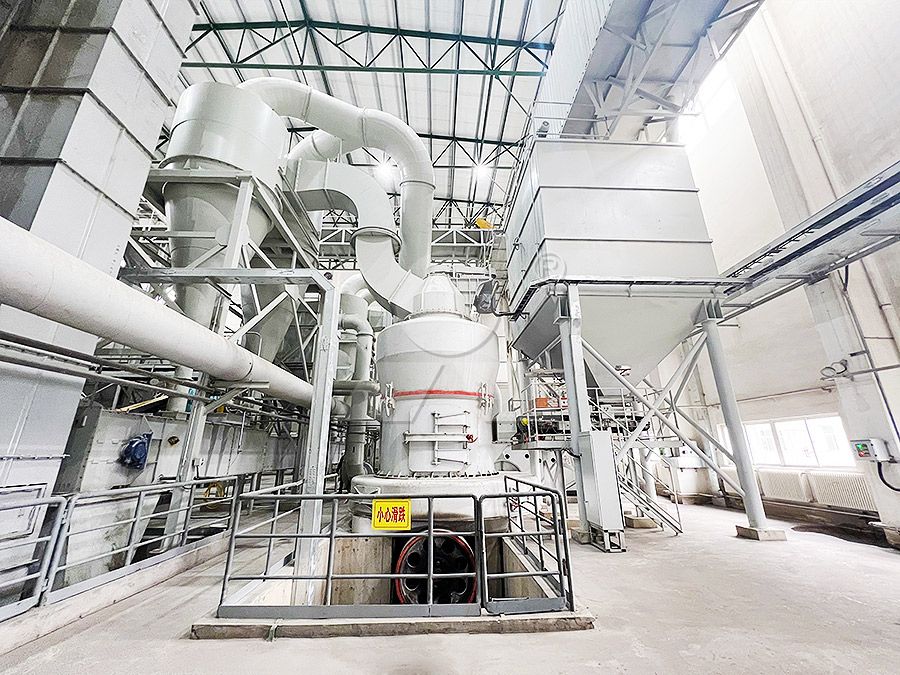
Another excellent option for environmentally conscious manufacturers is the LUM Ultrafine Vertical Grinding Mill. This mill incorporates the latest grinding roller technology and German powder separating technology, reducing energy consumption by 30%-50% compared to conventional grinding mills. Its unique roller shell and lining plate grinding curve design generates material layers more efficiently, resulting in higher yield rates and better product quality with less energy input.
Beyond Equipment: Holistic Sustainable Practices
While advanced equipment forms the foundation of sustainable talc production, comprehensive environmental stewardship extends to every aspect of operations. This includes responsible water management, waste reduction strategies, and energy recovery systems. Many forward-thinking facilities now implement closed-loop water systems and heat recovery technologies to further minimize their environmental footprint.
Digital monitoring systems play an increasingly important role in sustainable manufacturing. Real-time tracking of energy consumption, emissions, and production efficiency allows operators to optimize processes continuously. The digitalized processing capabilities of modern mills like the MW and LUM series enable higher precision control, reducing material waste and energy use through optimized operation parameters.
The Business Case for Sustainable Talc Production
Investing in eco-friendly talc manufacturing isn’t just an environmental imperative—it makes sound business sense. Consumers and business partners increasingly prefer suppliers with demonstrable sustainability credentials. Regulations governing industrial emissions and energy efficiency continue to tighten globally, making early adoption of green technologies a strategic advantage.
Furthermore, the operational efficiencies gained through modern equipment like the MW Ultrafine Grinding Mill translate directly to reduced operating costs. Lower energy consumption, minimal waste, and reduced maintenance requirements contribute to improved profitability while simultaneously benefiting the environment.
Frequently Asked Questions
What makes talc powder production environmentally challenging?
Traditional talc processing can be energy-intensive and generate dust pollution without proper controls. The grinding phase typically consumes the most energy, while fine talc particles can become airborne without efficient dust collection systems.
How does the MW Ultrafine Grinding Mill reduce environmental impact?
The MW mill incorporates multiple eco-friendly features including an efficient pulse dust collector that eliminates dust pollution, noise reduction technology, and energy-efficient design that consumes only 30% of the energy used by comparable jet grinding mills.
Can sustainable talc production methods maintain product quality?
Absolutely. Advanced mills like the MW and LUM series not only reduce environmental impact but often improve product quality through precise particle size control and contamination reduction features that enhance whiteness and purity.
Are there financial benefits to adopting sustainable talc manufacturing methods?
Yes. While there may be initial investment costs, sustainable methods typically lead to long-term savings through reduced energy consumption, lower maintenance requirements, and improved operational efficiency. Additionally, sustainable credentials can open up new market opportunities.
What particle sizes can be achieved with eco-friendly grinding mills?
Modern equipment like the MW Ultrafine Grinding Mill can produce talc powder with fineness adjustable between 325-2500 meshes, with screening rates achieving d97≤5μm once, meeting the most demanding application requirements.