
Stone vs. Limestone Grinding: Which Mill is Right for Your Operation?
We provide a wide range of mills — including Raymond mill, trapezoidal mill, vertical mill, ultrafine mill, and ball mill, obtained ISO9001 international quality certification, EU CE certification, and Customs Union CU-TR certification. Suitable for processing minerals such as limestone, phosphate, quicklime, kaolin, talc, barite, bentonite, calcium carbonate, dolomite, coal, gypsum, clay, carbon black, slag, cement raw materials, cement clinker, and more.
The discharge range of these mills can be adjusted to meet specific processing needs, typically from 80-400 mesh, 600-3250 mesh, and can achieve the finest particle size of up to 6000 mesh(D50).
If you are looking for a reliable grinding solution to turn stone or minerals into fine powder, please feel free to contact our online customer service.
Stone vs. Limestone Grinding: Which Mill is Right for Your Operation?
Selecting the optimal grinding mill is a critical decision that directly impacts your operation’s productivity, product quality, and bottom line. While ‘stone’ is a broad term, and limestone is a specific sedimentary rock, the choice of mill hinges on the material’s properties and your final product requirements. This article cuts through the confusion to help you make an informed choice.
Understanding the Material: It’s All About Hardness and Abrasiveness
The primary distinction lies in the material’s characteristics. ‘Stone’ can refer to a wide range of materials, from relatively soft talc or calcite to extremely hard and abrasive granite or basalt. Limestone, on the other hand, is generally a medium-hard material. This fundamental difference dictates the grinding mechanism and mill construction needed for efficient processing.
For softer, non-abrasive materials like limestone, calcite, and gypsum, mills that utilize impact and attrition forces are highly effective. For harder, more abrasive stones, a combination of compression and shear forces is often necessary to minimize wear on the mill’s internal components.
Key Mill Technologies for Fine and Ultra-Fine Grinding
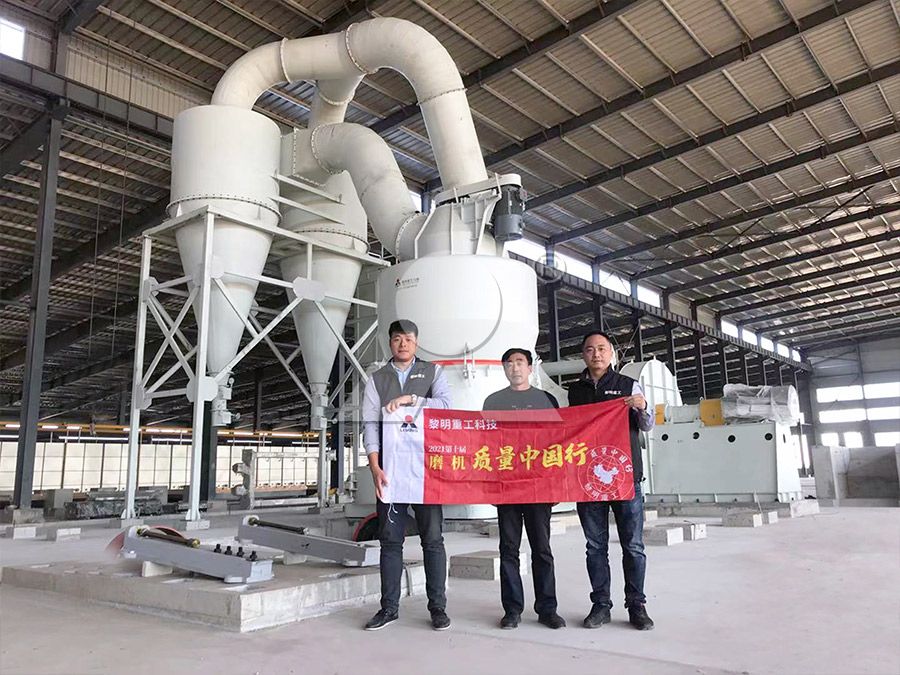
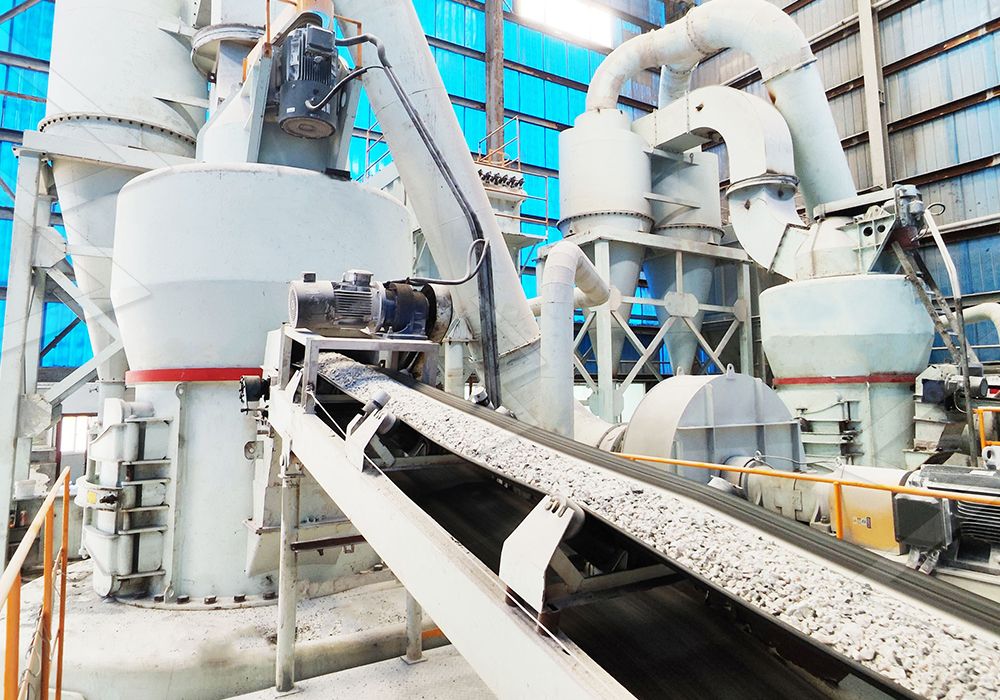
The grinding industry offers several proven technologies. Raymond Mills are a classic choice for coarse to medium fine grinding (80-325 mesh) and are known for their reliability and lower initial investment. Vertical Roller Mills (VRM), like our LM Vertical Grinding Mill, excel in processing larger feed sizes with integrated drying, grinding, and classifying, offering significant energy savings of 30-40% over traditional ball mills.
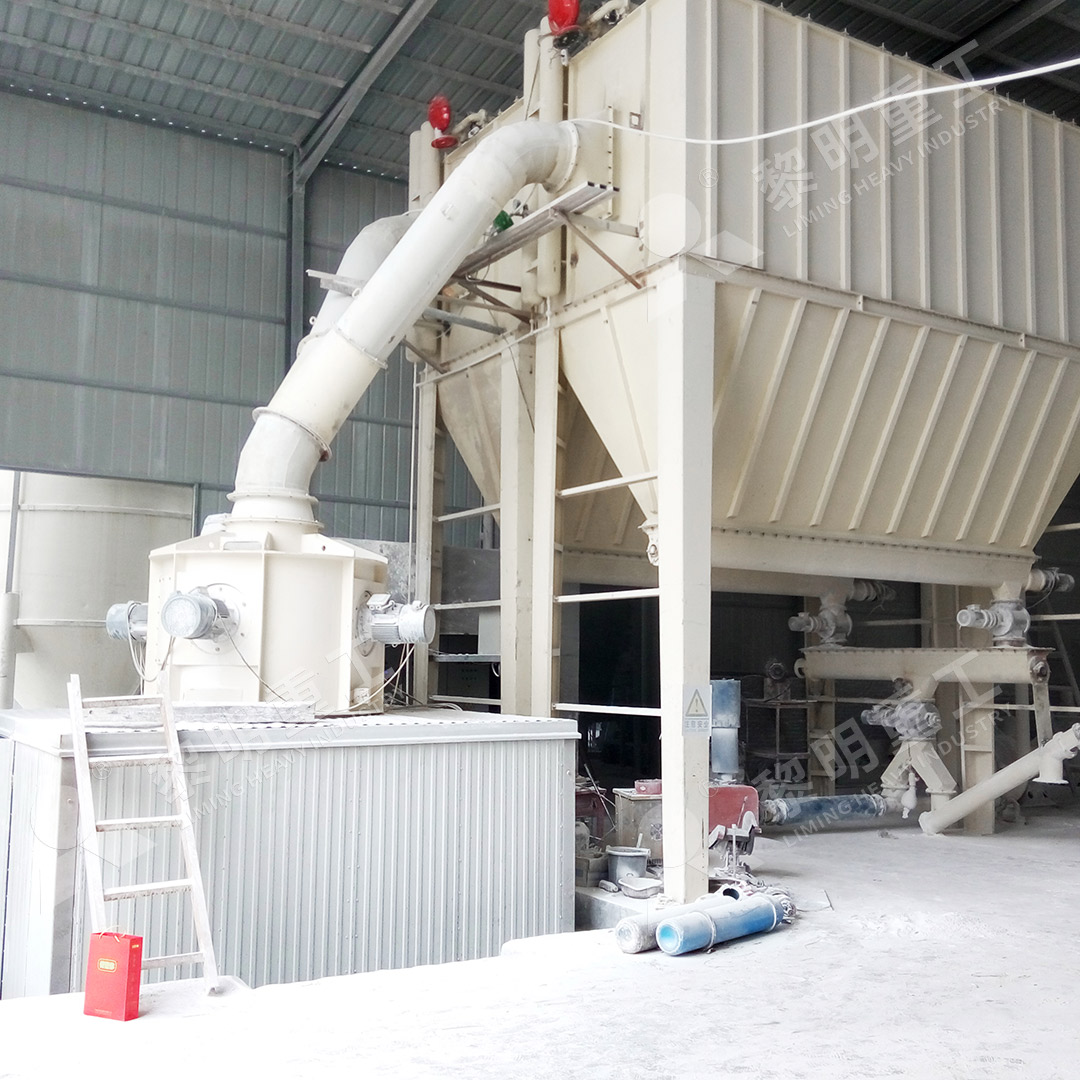
However, for operations requiring ultra-fine powders (finer than 400 mesh), advanced technologies are essential. This is where our MW Ultrafine Grinding Mill stands out. Designed specifically for customers needing to produce ultra-fine powder between 325 and 2500 meshes, the MW series represents a leap in efficiency. Its innovative design eliminates rolling bearings and screws in the grinding chamber, a common point of failure, ensuring worry-free, continuous 24/7 operation. With a capacity range of 0.5-25 tph for feed sizes up to 20mm, it delivers higher yield and lower energy consumption—40% higher capacity than jet mills and 30% lower system energy consumption.
Making the Right Choice for Your Specific Needs
Your final decision should be guided by a clear set of operational parameters. Consider the following:
- Desired Fineness: Are you aiming for coarse aggregate, a fine filler, or an ultra-fine specialty powder?
- Production Capacity: What are your hourly or daily throughput requirements?
- Material Hardness & Moisture: A detailed analysis of your feed material is non-negotiable.
- Operating Costs: Evaluate energy consumption, wear part longevity, and maintenance demands.
- Environmental Regulations: Ensure the mill system includes adequate dust collection and noise reduction features.
For general limestone processing to medium fineness, an MTW European Trapezium Mill or an LM Vertical Mill are excellent, robust choices. But for producers targeting the high-value ultra-fine powder market for applications in plastics, paints, or advanced chemicals, the precision and efficiency of the MW Ultrafine Grinding Mill are unmatched. Its cage-type powder selector, based on German technology, ensures precise separation for a consistent, high-quality product with a screening rate achieving d97≤5μm in a single pass.
Frequently Asked Questions (FAQ)
Q1: What is the main advantage of a vertical roller mill over a traditional ball mill for limestone?
A: Vertical roller mills like the LM series offer significantly lower energy consumption (30-40% less), integrated drying for moist materials, and a much smaller footprint. They are also more automated and environmentally friendly due to sealed system operation under negative pressure.
Q2: My operation requires powder at 800 meshes. Which mill should I consider?
A: For fineness requirements beyond 400 meshes, an ultrafine grinding mill is necessary. Our MW Ultrafine Grinding Mill is specifically engineered for this range (325-2500 meshes), offering higher efficiency and more precise particle size control compared to modified conventional mills.
Q3: How important is after-sales support and spare parts availability?
A: It is critical. Downtime is expensive. When evaluating mills, choose a manufacturer like us (LIMING) that guarantees a sufficient supply of original spare parts and provides comprehensive technical support to ensure worry-free, long-term operation.
Q4: Can one mill handle both soft calcium carbonate and a harder silicate stone?
A: It depends on the hardness difference. Many mills, including our LUM Ultrafine Vertical Mill, have adjustable grinding pressure and roller speed, allowing them to handle a range of materials. However, for vastly different hardness levels, wear rates will vary, and separate milling circuits might be more cost-effective for high-volume production.