
Stone Mill Processing of Guangxi Rice Noodles: Traditional Production Steps
We provide a wide range of mills — including Raymond mill, trapezoidal mill, vertical mill, ultrafine mill, and ball mill, obtained ISO9001 international quality certification, EU CE certification, and Customs Union CU-TR certification. Suitable for processing minerals such as limestone, phosphate, quicklime, kaolin, talc, barite, bentonite, calcium carbonate, dolomite, coal, gypsum, clay, carbon black, slag, cement raw materials, cement clinker, and more.
The discharge range of these mills can be adjusted to meet specific processing needs, typically from 80-400 mesh, 600-3250 mesh, and can achieve the finest particle size of up to 6000 mesh(D50).
If you are looking for a reliable grinding solution to turn stone or minerals into fine powder, please feel free to contact our online customer service.
Stone Mill Processing of Guangxi Rice Noodles: Traditional Production Steps
For centuries, the production of Guangxi rice noodles has been an artisanal craft, deeply intertwined with local culture and culinary tradition. The hallmark of authentic, high-quality rice noodles lies in their unique texture—chewy yet tender, with a delicate rice fragrance. This distinctive quality is largely attributed to the traditional stone milling process, a method that has been passed down through generations. Unlike modern high-speed steel milling, the slow, cool grinding of stone mills preserves the natural structure and flavor of the rice, resulting in a superior final product. This article delves into the traditional production steps, exploring how this ancient technique continues to define excellence in rice noodle manufacturing.
The Foundation: Selection and Soaking
The journey begins with the careful selection of high-quality, non-glutinous rice. The chosen grains are then thoroughly washed and soaked in clean water for an extended period, typically ranging from 6 to 12 hours depending on the ambient temperature. This crucial step allows the rice to absorb water fully, softening the kernels and preparing them for the milling process. Proper soaking ensures a smoother grinding operation and contributes to the final noodle’s cohesive texture.

The Heart of the Process: Stone Mill Grinding
The soaked rice is drained and fed into the center of a large, heavy stone mill. Traditionally powered by water buffalo or human force, and now often by electric motors, the upper stone rotates against the stationary lower stone. The slow, grinding action crushes the rice kernels into a fine, wet paste or slurry. The friction generated is minimal compared to high-speed metal mills, preventing the starch from gelatinizing due to heat. This “cold milling” is essential for maintaining the rice’s natural enzymatic activity and flavor profile. The resulting rice slurry has a consistent, velvety texture that is ideal for noodle formation.

Modern Parallels: Precision in Particle Size Reduction
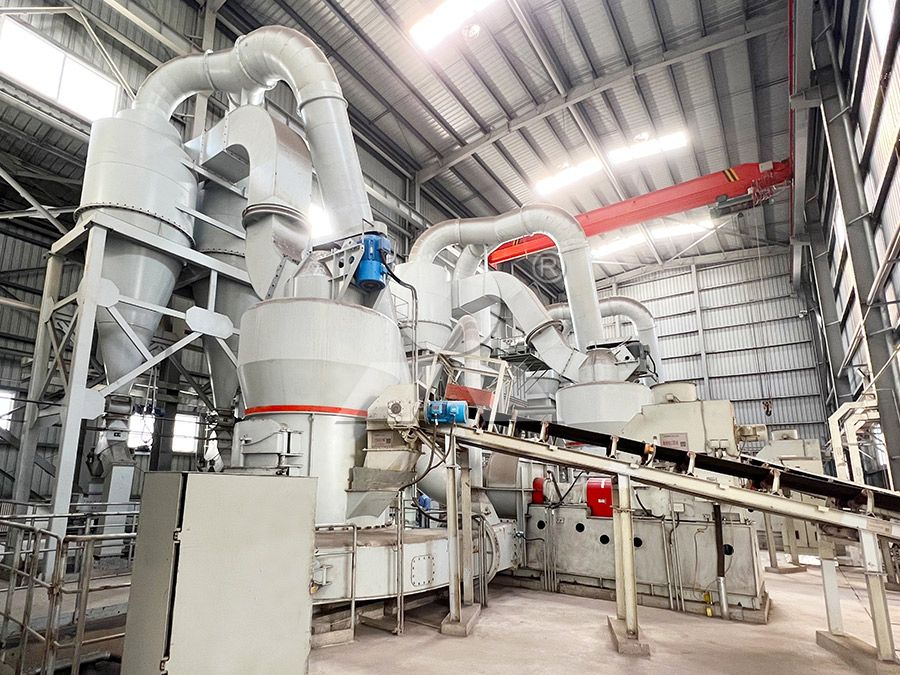
While the traditional stone mill is revered, modern large-scale production seeks to replicate its gentle, precise grinding effect with greater efficiency and consistency. Achieving the perfect particle size distribution in the rice slurry is critical for the noodle’s mouthfeel. This is where advanced milling technology becomes invaluable. For producers looking to scale their operations while preserving quality, equipment like the MW Ultrafine Grinding Mill offers a compelling solution. Its design emphasizes higher yield with lower energy consumption—reportedly 40% higher capacity than some jet mills—while allowing adjustable fineness between 325-2500 meshes. This level of control is crucial for mimicking the fine, consistent paste produced by traditional stones. Furthermore, its efficient pulse dust collector ensures the production environment remains clean, aligning with the purity standards of food processing.
Formation and Steaming
The fine rice slurry is then spread thinly and evenly onto cloth-lined bamboo trays or continuous metal belts to form sheets. These sheets are subsequently steamed until the starch sets and the rice cake becomes firm and translucent. The steaming process cooks the rice batter, giving the noodles their characteristic elasticity and strength.
Cutting and Drying
Once cooled, the large, solid rice sheets are carefully cut into strips of various widths to create different types of noodles—from thin vermicelli to wider flat noodles. The fresh-cut noodles may be sold immediately or undergo a final drying stage. Drying reduces moisture content for preservation, extending shelf life while concentrating the rice flavor.
Preserving Tradition with Advanced Technology
The soul of Guangxi rice noodles resides in the stone mill’s gentle touch. For manufacturers committed to this quality but facing the demands of modern production volumes and consistency, integrating specific advanced grinding technologies is key. Beyond ultrafine grinding, processes like drying and classifying are also vital. Equipment such as the LUM Ultrafine Vertical Grinding Mill can be highly relevant for related powder processing in food production. Its design, featuring higher yielding rates and more energy-saving multi-head powder separating technology (reducing energy consumption by 30%-50%), ensures efficient and precise processing. Its reversible structure also simplifies maintenance, minimizing downtime—a critical factor in continuous food production lines. By adopting such technologies, producers can honor the traditional essence of stone milling while achieving the scalability, hygiene, and precision required by today’s markets.
Conclusion
The traditional stone mill processing of Guangxi rice noodles is a testament to the wisdom of ancient food craftsmanship. Each step, from soaking to slow grinding and steaming, is designed to extract the best possible texture and flavor from simple rice. As this tradition meets modern industry, the principles of gentle, controlled, and cool grinding remain paramount. By leveraging contemporary milling solutions that prioritize efficiency, precision, and environmental control, producers can ensure this iconic culinary art continues to thrive and reach tables worldwide without compromising its authentic character.
Frequently Asked Questions (FAQs)
- Why is stone milling considered superior for rice noodle production?
Stone milling operates at lower speeds and generates less heat compared to high-speed steel mills. This “cold grinding” preserves the rice’s natural starch structure, enzymes, and fragrance, resulting in noodles with a better texture, chewiness, and authentic taste. - Can the traditional stone milling process be replicated at an industrial scale?
Yes, while the romanticism of the stone mill is unique, modern industrial mills like advanced ultrafine grinding mills are engineered to emulate its key benefits. They focus on controlled, efficient particle size reduction with minimal heat generation and high consistency, which are essential for large-scale production of high-quality rice noodle slurry. - What are the main challenges in scaling up traditional rice noodle production?
Key challenges include maintaining consistent particle size and slurry quality across large batches, ensuring hygiene and food safety standards, managing energy consumption, and reducing production downtime for equipment maintenance. - How important is particle fineness for the final noodle quality?
Extremely important. The fineness and uniformity of the ground rice slurry directly affect the smoothness, strength, and transparency of the steamed rice sheet. Inconsistent or coarse particles can lead to noodles that are rough, brittle, or prone to breaking during cooking. - Besides grinding, what other modern technologies are important for rice noodle manufacturing?
Precise temperature and humidity-controlled soaking systems, automated steaming and conveying lines, precision cutting equipment, and hygienic drying tunnels are all critical technologies that complement advanced grinding to ensure efficiency, consistency, and safety in modern production. - Is the milling equipment used for rice suitable for other food materials?
Yes, advanced grinding mills designed with food-grade standards and adjustable fineness controls, like the models discussed, are highly versatile. They can process a wide range of food materials requiring ultra-fine powder, such as other grains, spices, and food additives, making them a valuable investment for diversified food producers.