
Stone Grinding Mill Equipment: Types and Applications
We provide a wide range of mills — including Raymond mill, trapezoidal mill, vertical mill, ultrafine mill, and ball mill, obtained ISO9001 international quality certification, EU CE certification, and Customs Union CU-TR certification. Suitable for processing minerals such as limestone, phosphate, quicklime, kaolin, talc, barite, bentonite, calcium carbonate, dolomite, coal, gypsum, clay, carbon black, slag, cement raw materials, cement clinker, and more.
The discharge range of these mills can be adjusted to meet specific processing needs, typically from 80-400 mesh, 600-3250 mesh, and can achieve the finest particle size of up to 6000 mesh(D50).
If you are looking for a reliable grinding solution to turn stone or minerals into fine powder, please feel free to contact our online customer service.
Stone Grinding Mill Equipment: Types and Applications
In the vast landscape of industrial processing, the transformation of raw minerals into fine powders is a critical step for countless sectors. Stone grinding mills stand as the cornerstone of this operation, engineered to pulverize a wide array of materials with precision, efficiency, and reliability. The choice of grinding mill is paramount, directly influencing product quality, operational cost, and environmental footprint. This article explores the primary types of stone grinding mills and their applications, providing a guide to selecting the right technology for your specific needs.
Core Technologies and Their Distinctions
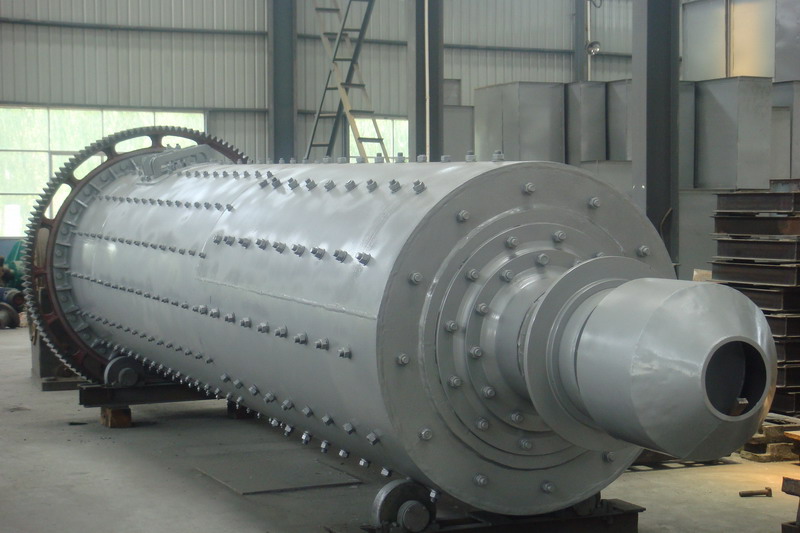
Grinding mills are broadly categorized by their structure and grinding mechanism. Traditional Ball Mills and Raymond Mills have served industries for decades, offering robust solutions for coarse to medium-fine grinding. Ball mills, utilizing steel balls as grinding media, are versatile workhorses for ores and cement. Raymond mills, with their spring-loaded rollers, are known for their simplicity and effectiveness in producing powders in the range of 80-325 mesh.
However, the demand for higher efficiency, finer products, and lower energy consumption has driven significant innovation. Modern vertical roller mills and advanced trapezium mills now dominate the market for high-volume, fine-grinding applications.
Vertical Roller Mills: The Pinnacle of Integrated Grinding
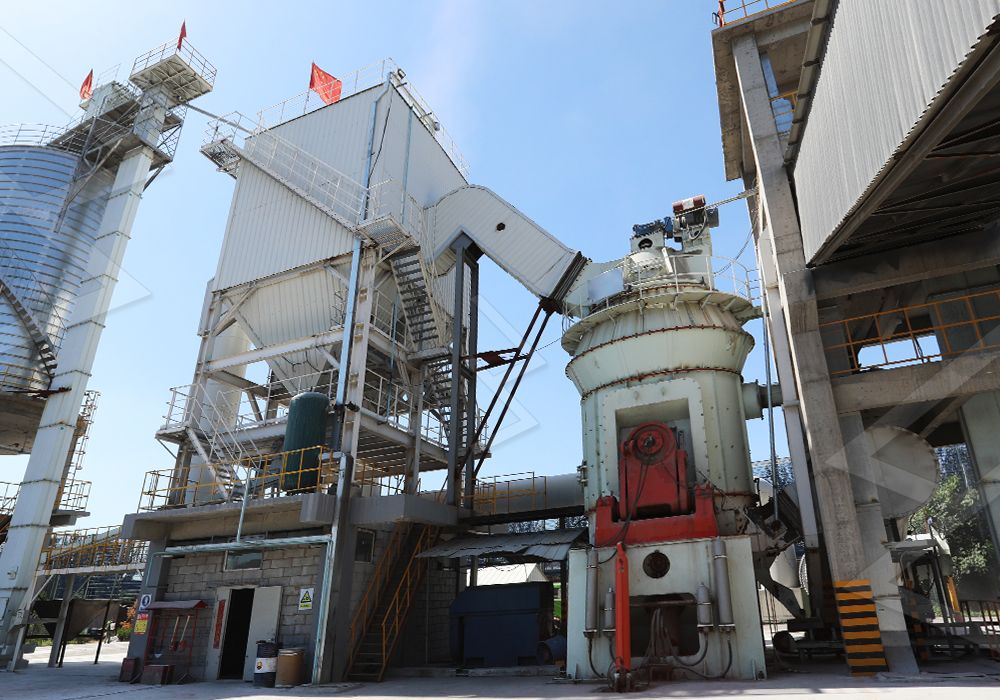
Vertical Roller Mills (VRMs) represent a leap forward in grinding technology. By integrating crushing, grinding, drying, classification, and conveying into a single, compact unit, they offer unparalleled space and energy savings. The material is ground between a rotating table and conical rollers under hydraulic pressure. This design ensures a short material retention time, minimizing over-grinding and reducing iron contamination—a critical factor for products where whiteness and purity are essential.
A prime example of this advanced technology is our LUM Ultrafine Vertical Grinding Mill. Engineered with the latest grinding roller technology from Taiwan and German powder separating expertise, the LUM mill is a standout for producing superfine powders. Its unique roller shell and lining plate design facilitate easy material layer formation, enabling a high rate of finished product in a single pass. With an input size of 0-10 mm and a capacity range of 5-18 tph, it excels in processing non-metallic minerals like calcite, marble, and barite into high-value, ultra-fine powders for coatings, plastics, and advanced ceramics. Its double position-limiting technology and reversible structure for easy roller maintenance ensure exceptional operational stability and reduced downtime.
Advanced Trapezium Mills: Reliable Workhorses for Fine Powder
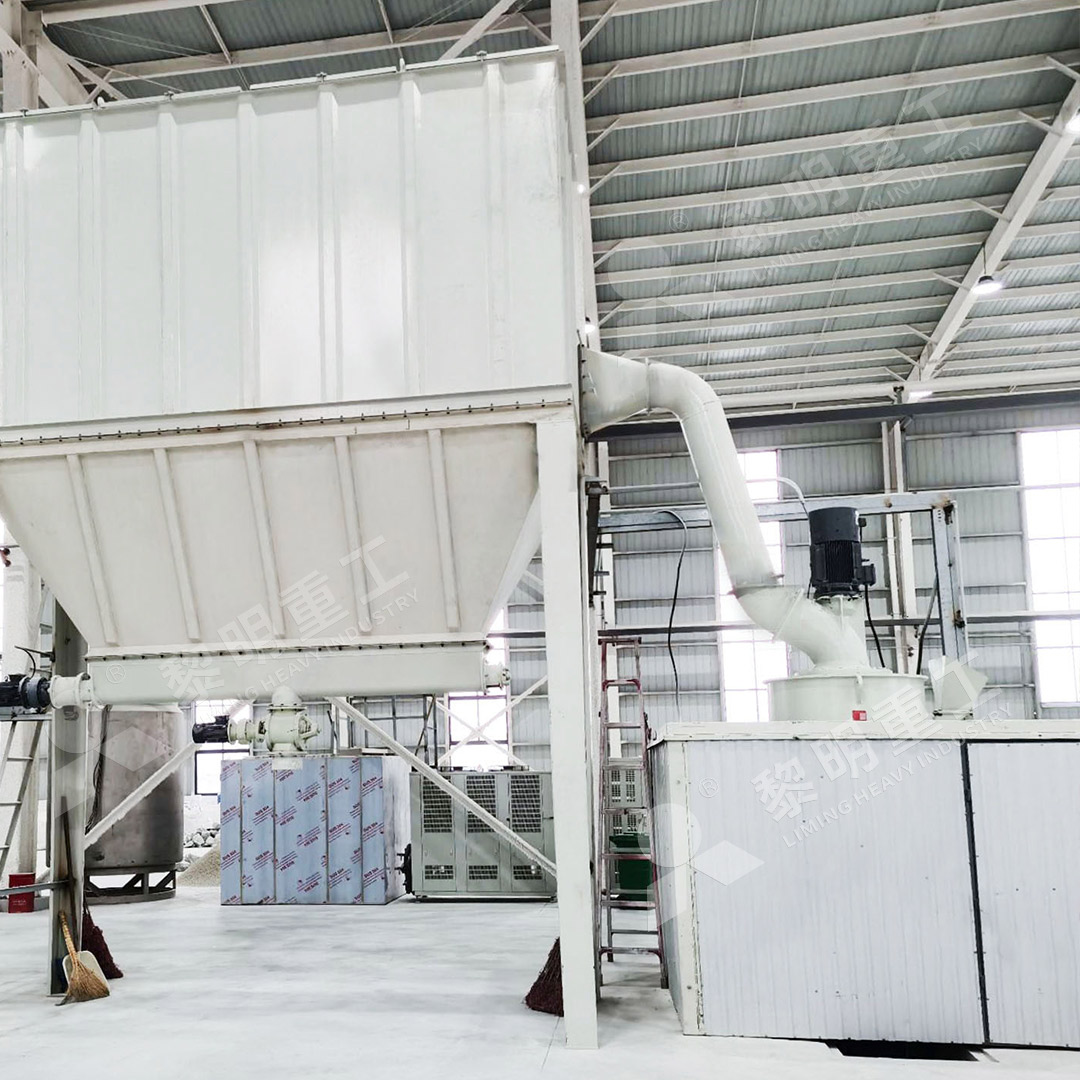
Evolved from the classic Raymond mill, European-style trapezium mills offer enhanced stability, higher capacity, and better energy efficiency. They feature a curved air duct for smooth airflow, a bevel gear central drive for compact design, and often utilize advanced powder concentrators. These mills are exceptionally versatile, handling materials from limestone and talc to coal and desulfurization agents with consistent results.
Our MTW-Z European Trapezium Mill exemplifies this evolution. It incorporates a maintenance-free dilute oil lubrication system for the grinding rollers, eliminating frequent greasing. The absence of a shovel blade cylinder in its grinding chamber increases ventilation area and reduces air-conveying resistance. Furthermore, its elastic volute damping structure effectively isolates vibration, protecting critical components and ensuring smooth, long-term operation. It is an ideal choice for producing fine powders between 200-3000 mesh for industries ranging from construction materials to chemical manufacturing.
Specialized Solutions: Ultrafine and High-Capacity Grinding
For applications demanding extremely fine powders (325-2500 mesh), specialized ultrafine grinding mills are required. These mills often employ multiple grinding zones and high-precision, multi-head cage-type powder selectors to achieve precise particle size cuts.
In this domain, our MW Ultrafine Grinding Mill is a technological leader. Designed for customers who need to make ultra-fine powder, it boasts a grinding efficiency 40% higher than jet mills. Its cage-type powder selector, leveraging German technology, allows precise fineness adjustment between 325-2500 meshes. A key design advantage is the absence of rolling bearings and screws in the grinding chamber, virtually eliminating failures related to these components. Coupled with an efficient pulse dust collector and muffler, the MW mill delivers high-yield, eco-friendly production of powders for advanced applications in chemicals, paints, cosmetics, and food additives.
Selecting the Right Mill: Application is Key
The optimal grinding mill is dictated by the material properties and the desired final product. Here is a brief application guide:
- Non-Metallic Minerals (Calcite, Talc, Barite): For high whiteness and ultra-fine products (<10μm), the LUM Ultrafine Vertical Mill or MW Ultrafine Mill are ideal. For general fine powders, the MTW-Z Trapezium Mill is highly efficient.
- Coal & Slag for Cement/Power Plants: LM Vertical Coal Mills and LM Vertical Slag Mills are purpose-built for these materials, offering integrated drying and grinding with low energy consumption.
- High-Volume Industrial Minerals (Limestone, Gypsum): Large-capacity VRMs like the LM Vertical Grinding Mill or robust trapezium mills like the MTW series provide the necessary throughput and reliability.
- Classic Fine Grinding (80-325 mesh): Modernized Raymond mills and standard trapezium mills remain cost-effective and reliable solutions.
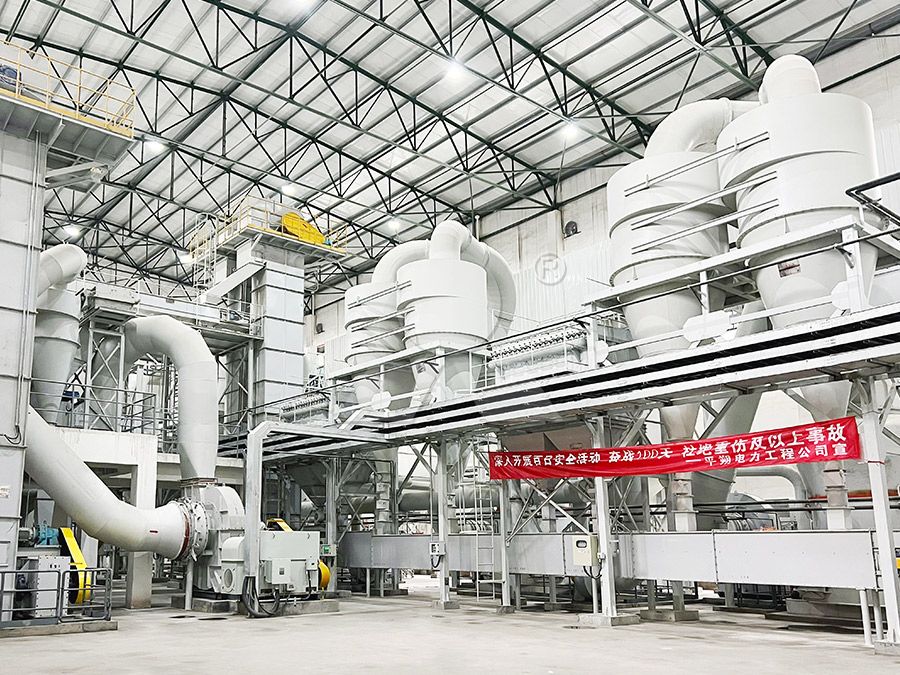
Ultimately, successful powder processing hinges on matching the mill’s technological strengths—be it the integrated efficiency of a vertical mill, the fine-tuning capability of an ultrafine mill, or the robust versatility of a trapezium mill—to your specific material and production goals. Partnering with a manufacturer that offers comprehensive technical support and genuine spare parts, like our commitment at LIMING, is crucial for ensuring long-term, worry-free operation.
Frequently Asked Questions (FAQ)
1. What is the main difference between a Vertical Roller Mill and a Trapezium Mill?
The core difference lies in the grinding mechanism and layout. A Vertical Roller Mill (like the LUM or LM series) grinds material between a rotating table and rollers in a vertical orientation, integrating multiple processes. A Trapezium Mill (like the MTW-Z) operates horizontally, grinding material between fixed rollers and a rotating ring driven by a central shaft. VRMs generally offer better energy efficiency and drying capability for larger capacities, while advanced trapezium mills provide excellent stability and are highly versatile for fine grinding.
2. How fine can your ultrafine mills grind, and what controls the fineness?
Our specialized ultrafine mills, such as the MW Ultrafine Grinding Mill, can achieve a product fineness ranging from 325 to 2500 meshes (approximately 45 to 5 microns). The fineness is primarily controlled by the speed of the powder separator (classifier). The high-precision, multi-head cage-type selector allows for accurate adjustment of the cut point, ensuring that only particles below the target size leave the grinding chamber as finished product.
3. Are these mills environmentally friendly?
Yes, modern grinding mills are designed with stringent environmental standards in mind. Key features include: Efficient Pulse Jet Dust Collectors that capture over 99.9% of process dust, ensuring clean exhaust; Integrated Silencers and Mufflers that significantly reduce operational noise; and Fully Enclosed Negative-Pressure Systems that prevent dust from escaping during operation. Our MW and LUM mills, for instance, are specifically highlighted for their eco-friendly design.
4. What about maintenance and spare parts availability?
Ease of maintenance is a critical design focus. Features like the reversible roller structure in the LUM mill allow grinding rollers to be easily swung out for inspection and liner replacement. The dilute oil lubrication in the MTW-Z mill reduces daily maintenance. As the manufacturer, we take full responsibility for every machine and maintain a sufficient supply of original, high-quality spare parts—from grinding rollers and rings to precision bearings—ensuring minimal downtime and worry-free operation for our customers.
5. Can your mills handle moist materials?
Vertical Roller Mills, particularly the LM and LUM series, have a significant advantage here. They are equipped with integrated hot air systems that can simultaneously dry and grind materials with a certain moisture content. This eliminates the need for a separate, energy-intensive dryer. The specific moisture handling capacity depends on the mill model and the heat source available; our technical team can provide detailed guidance based on your material’s characteristics.