
Stone Crusher and Ball Mill: Key Equipment for Mining in the Philippines
We provide a wide range of mills — including Raymond mill, trapezoidal mill, vertical mill, ultrafine mill, and ball mill, obtained ISO9001 international quality certification, EU CE certification, and Customs Union CU-TR certification. Suitable for processing minerals such as limestone, phosphate, quicklime, kaolin, talc, barite, bentonite, calcium carbonate, dolomite, coal, gypsum, clay, carbon black, slag, cement raw materials, cement clinker, and more.
The discharge range of these mills can be adjusted to meet specific processing needs, typically from 80-400 mesh, 600-3250 mesh, and can achieve the finest particle size of up to 6000 mesh(D50).
If you are looking for a reliable grinding solution to turn stone or minerals into fine powder, please feel free to contact our online customer service.
Stone Crusher and Ball Mill: Key Equipment for Mining in the Philippines
The mining industry in the Philippines is a cornerstone of the national economy, rich in metallic and non-metallic mineral resources. Efficient mineral processing is paramount to unlocking this potential, and at the heart of this process lie two fundamental pieces of equipment: the stone crusher and the ball mill. These machines work in tandem to reduce raw ore into fine, usable powder, a critical step for subsequent separation and refinement.
Stone crushers are the primary workhorses, responsible for the initial size reduction of large rocks and ores extracted from the ground. Jaw crushers, impact crushers, and cone crushers are commonly employed to break down the material into manageable, smaller pieces, typically less than 25mm. This primary crushing stage is essential for preparing the feed for the next phase: grinding.
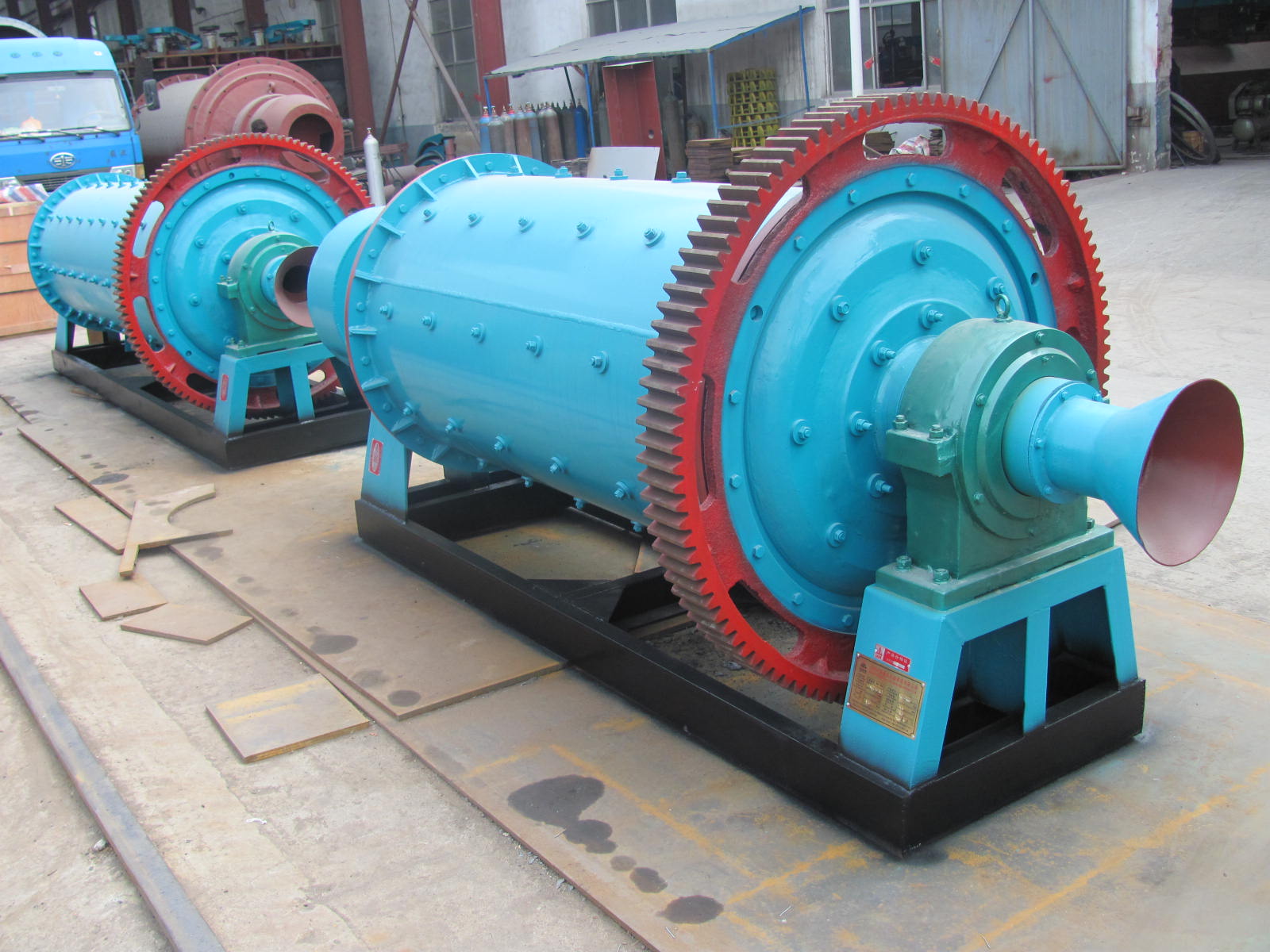
Following crushing, the ball mill takes over. This rotating cylindrical shell, filled with grinding media like steel balls, further pulverizes the crushed material through impact and attrition. The continuous tumbling action grinds the particles to the required fineness, creating a slurry or powder that is suitable for chemical processing or physical separation methods. The reliability and relatively simple operation of ball mills have made them a long-standing fixture in mineral processing plants across the Philippines.
Advancing Beyond Traditional Grinding
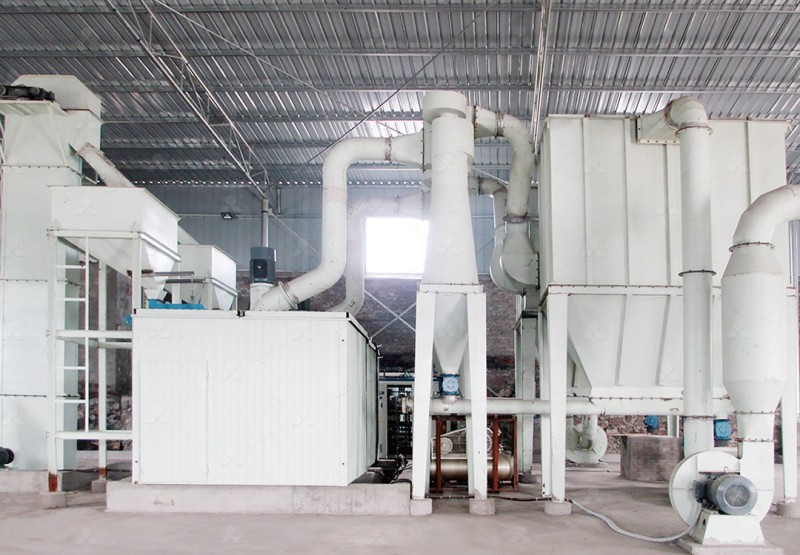
While ball mills are effective, modern mining operations increasingly demand higher efficiency, lower energy consumption, and the ability to produce ultra-fine powders for specialized applications. This is where advanced grinding technologies offer significant advantages. For operations requiring superior fineness and energy savings, our MW Ultrafine Grinding Mill presents an excellent solution.
Specifically designed for producing ultra-fine powder, the MW Series Mill is engineered for customers who need precise control over their final product. With an input size of 0-20 mm and a capacity range of 0.5-25 tph, it is highly versatile. Its innovative design features higher yielding and lower energy consumption, achieving a production capacity 40% higher than jet mills and twice that of a ball mill for the same fineness and power. Furthermore, its adjustable fineness between 325-2500 meshes, achieved through a advanced German cage-type powder selector, makes it ideal for producing high-value powders for industries like chemicals, paints, and cosmetics.
A Robust Solution for Vertical Grinding
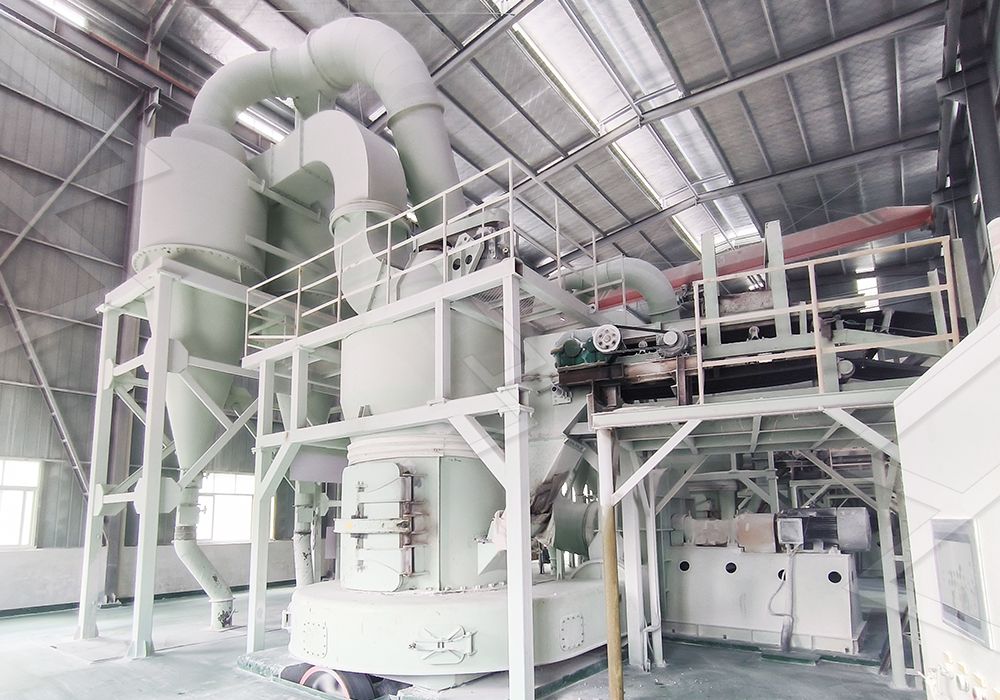
For operations processing materials like limestone, calcite, or dolomite, another powerful option is the LUM Ultrafine Vertical Grinding Mill. This mill integrates grinding, grading, and transporting into a single, compact unit. Its unique roller shell and lining plate grinding curve are designed to generate a stable material layer, enabling a high rate of finished product in a single pass. This results in not only higher efficiency but also improved whiteness and cleanliness of the final powder. With an input size of 0-10 mm and capacity of 5-18 tph, the LUM Mill’s energy-saving multi-head powder separating technology can reduce consumption by 30%-50% compared to ordinary mills.
The choice between a traditional ball mill and a more advanced ultrafine system depends on the specific ore characteristics, desired final product size, and overall operational costs. For many Philippine mining projects focused on efficiency and product quality, integrating modern grinding technology like the MW or LUM series can lead to substantial long-term benefits.
Frequently Asked Questions (FAQ)
What is the main difference between a crusher and a mill?
Crushers perform primary size reduction, breaking down large rocks into smaller gravel-sized pieces (typically >25mm). Mills perform secondary grinding, pulverizing the crushed material into a fine sand or powder (often <100 microns).
Why consider an ultrafine mill over a traditional ball mill?
Ultrafine mills like the MW Series offer significantly higher energy efficiency, greater production capacity for a given size, and the ability to achieve much finer and more consistent particle sizes, which is critical for high-value industrial applications.
How important is after-sales support for this equipment in the Philippines?
Extremely important. Reliable access to technical services and genuine spare parts is crucial for minimizing downtime. Choosing a supplier with a strong local presence and support network ensures worry-free operation and protects your investment.
Can these mills handle the humid conditions often found in the Philippines?
Yes, modern grinding mills are designed with robust sealing systems and, if necessary, integrated drying capabilities to handle materials with some moisture content effectively.