
Step-by-Step Guide to Industrial Calcium Carbonate Powder Manufacturing Process
We provide a wide range of mills — including Raymond mill, trapezoidal mill, vertical mill, ultrafine mill, and ball mill, obtained ISO9001 international quality certification, EU CE certification, and Customs Union CU-TR certification. Suitable for processing minerals such as limestone, phosphate, quicklime, kaolin, talc, barite, bentonite, calcium carbonate, dolomite, coal, gypsum, clay, carbon black, slag, cement raw materials, cement clinker, and more.
The discharge range of these mills can be adjusted to meet specific processing needs, typically from 80-400 mesh, 600-3250 mesh, and can achieve the finest particle size of up to 6000 mesh(D50).
If you are looking for a reliable grinding solution to turn stone or minerals into fine powder, please feel free to contact our online customer service.
Introduction
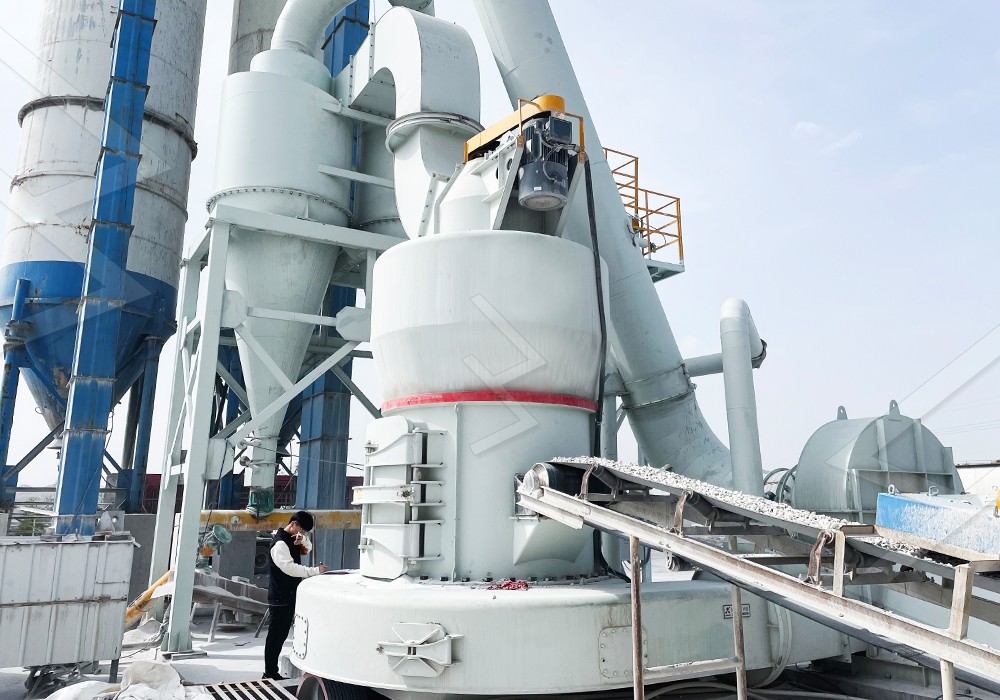
Industrial calcium carbonate powder is a versatile material widely used in industries such as plastics, paints, paper, and construction. The manufacturing process involves several critical steps to ensure high-quality output. This guide provides a detailed walkthrough of the process, highlighting key equipment like our MW Ultrafine Grinding Mill and LUM Ultrafine Vertical Grinding Mill.
Step 1: Raw Material Extraction
Calcium carbonate is typically sourced from limestone, marble, or chalk deposits. The raw material is mined and transported to the processing plant. Quality control begins here, as impurities can affect the final product.
Step 2: Primary Crushing
The extracted limestone is crushed into smaller pieces (0-20 mm) using jaw crushers or hammer mills. This step prepares the material for further grinding.
Step 3: Grinding
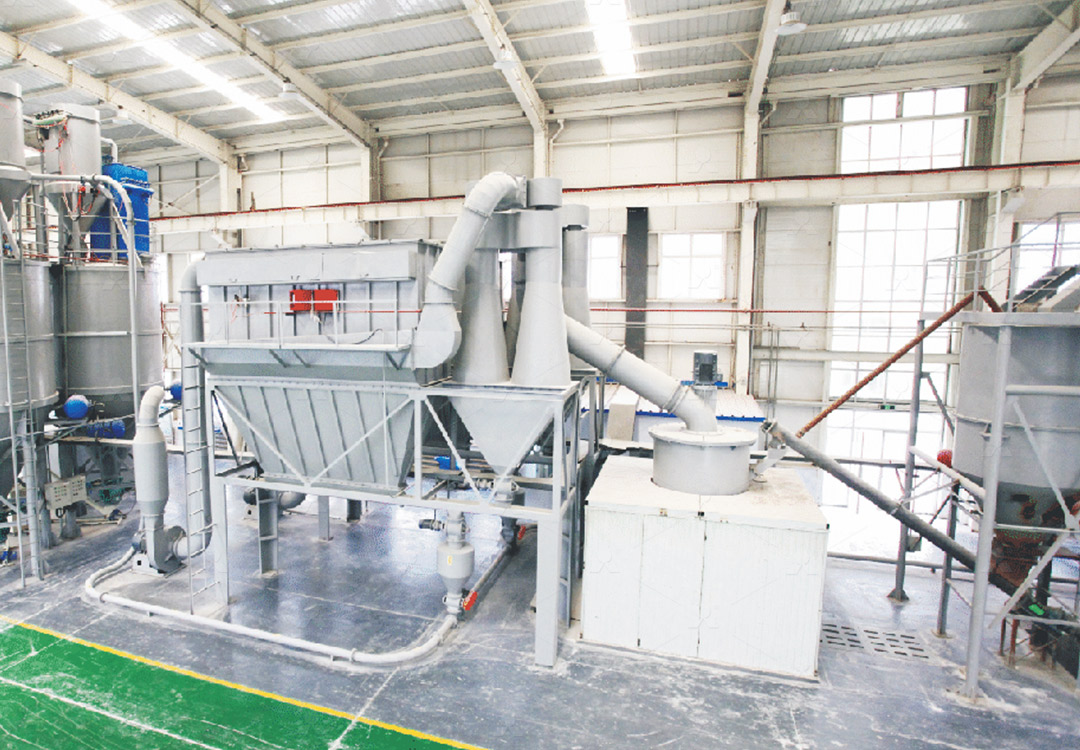
This is where our MW Ultrafine Grinding Mill shines. With an input size of 0-20 mm and a capacity of 0.5-25 tph, it efficiently pulverizes the material into fine powder. Key features include:
- Adjustable fineness (325-2500 meshes)
- 30% lower energy consumption vs. traditional mills
- Eco-friendly dust removal system
Step 4: Classification
The ground powder is separated by particle size using classifiers. Our LUM Ultrafine Vertical Grinding Mill integrates advanced German powder-separating technology, ensuring precise grading with minimal energy use (5-18 tph capacity).
Step 5: Surface Treatment (Optional)
For specialized applications, the powder may undergo surface modification with stearic acid or other agents to improve compatibility with polymers.
Step 6: Packaging
The final product is packaged in bags or bulk containers, ready for shipment.
Why Choose Our Equipment?
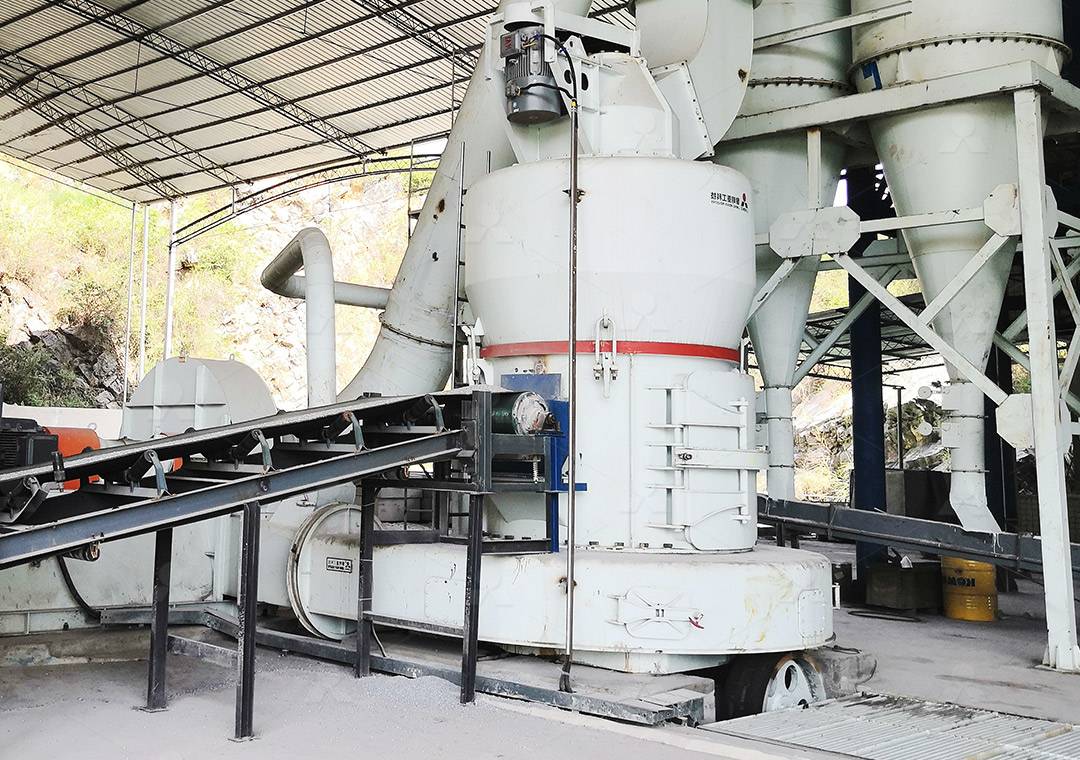
Our MW Ultrafine Grinding Mill and LUM Vertical Grinding Mill offer unmatched efficiency for calcium carbonate processing:
- Higher yield with 40% lower energy costs
- Zero rolling bearings in grinding chambers for reduced maintenance
- Digitalized precision machining for consistent quality
Conclusion
Producing high-quality calcium carbonate powder requires precision equipment. By leveraging our advanced grinding mills, manufacturers can achieve superior fineness, operational efficiency, and environmental compliance. Contact us to optimize your production line today!