
Step-by-Step Guide: Building a Homemade Ball Mill for Gold Concentrates Processing
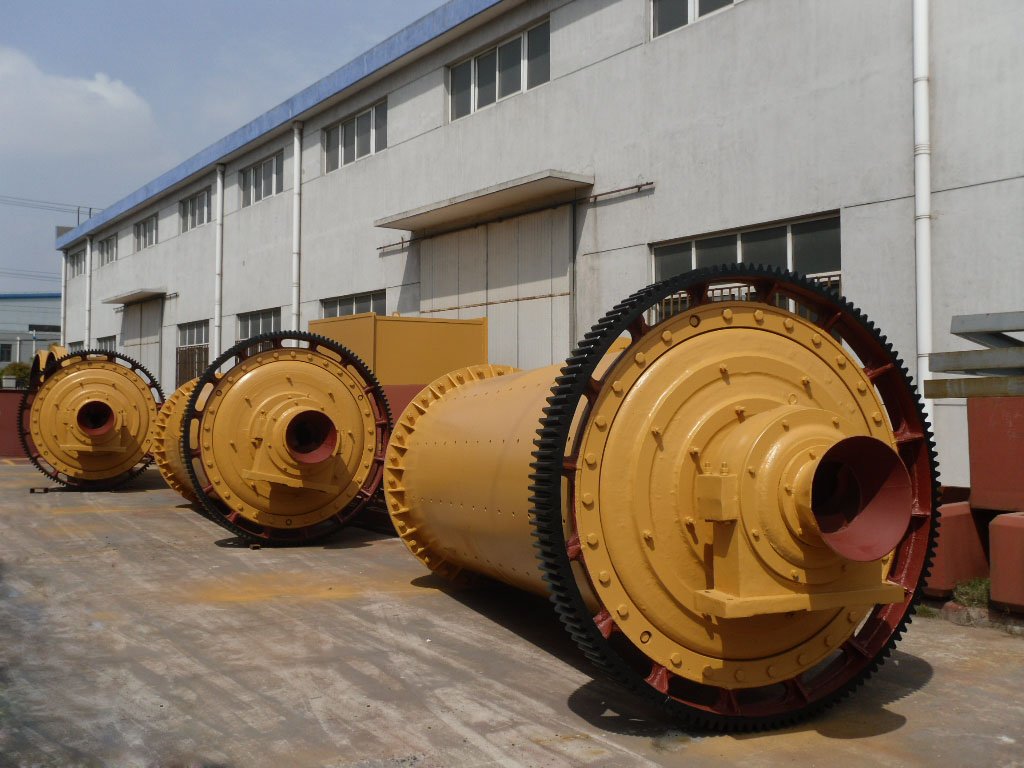
We provide a wide range of mills — including Raymond mill, trapezoidal mill, vertical mill, ultrafine mill, and ball mill, obtained ISO9001 international quality certification, EU CE certification, and Customs Union CU-TR certification. Suitable for processing minerals such as limestone, phosphate, quicklime, kaolin, talc, barite, bentonite, calcium carbonate, dolomite, coal, gypsum, clay, carbon black, slag, cement raw materials, cement clinker, and more.
The discharge range of these mills can be adjusted to meet specific processing needs, typically from 80-400 mesh, 600-3250 mesh, and can achieve the finest particle size of up to 6000 mesh(D50).
If you are looking for a reliable grinding solution to turn stone or minerals into fine powder, please feel free to contact our online customer service.
Introduction
Processing gold concentrates at home requires efficient grinding equipment to liberate gold particles from ore. While commercial ball mills like our MW Ultrafine Grinding Mill offer industrial-grade performance, a DIY ball mill can be a cost-effective solution for small-scale prospectors. This guide walks you through constructing a functional homemade ball mill using readily available materials.
Materials Needed
- 5-gallon plastic bucket or metal drum
- 1/2 HP electric motor (or treadmill motor)
- PVC pipes or steel rods for rollers
- Bearings and mounting brackets
- Grinding media (steel balls or lead musket balls)
- Pulley system or direct drive components
Step 1: Construct the Drum
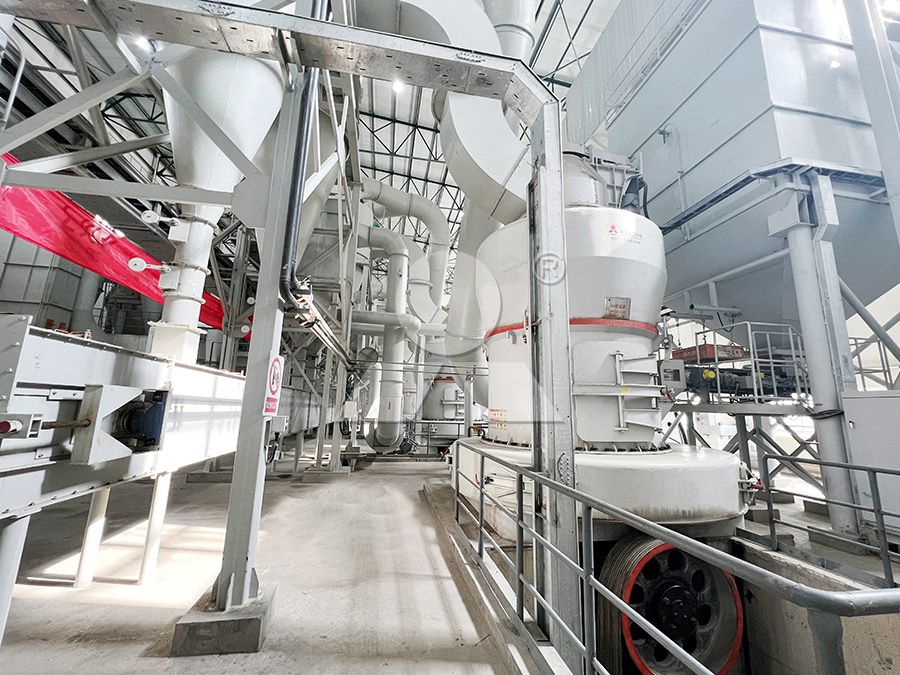
Cut and reinforce your chosen container to create a cylindrical grinding chamber. For gold processing, line the interior with abrasion-resistant rubber or polyethylene to prevent contamination. Our LUM Ultrafine Vertical Grinding Mill uses similar wear-resistant technology in its professional design.
Pro Tip:
Maintain a 2:1 length-to-diameter ratio for optimal grinding efficiency – a principle also employed in our commercial Ball Mill series.
Step 2: Install the Drive System
Mount your motor to a stable frame and connect it to the drum via:
- Direct shaft coupling for high torque
- Pulley system for speed adjustment
Aim for 60-70% of critical speed (where centrifugal force pins media to the walls). Our MW Ultrafine Grinding Mill achieves precise speed control through digital automation.
Step 3: Add Grinding Media
Fill the drum 30-40% with grinding balls. For gold concentrates:
- Use 1″ diameter hardened steel balls for coarse grinding
- Switch to 1/2″ balls for finer liberation
Step 4: Processing Gold Concentrates
When processing:
- Feed crushed ore (≤1/4″) mixed with water
- Run in 30-minute cycles
- Check progress with a gold pan
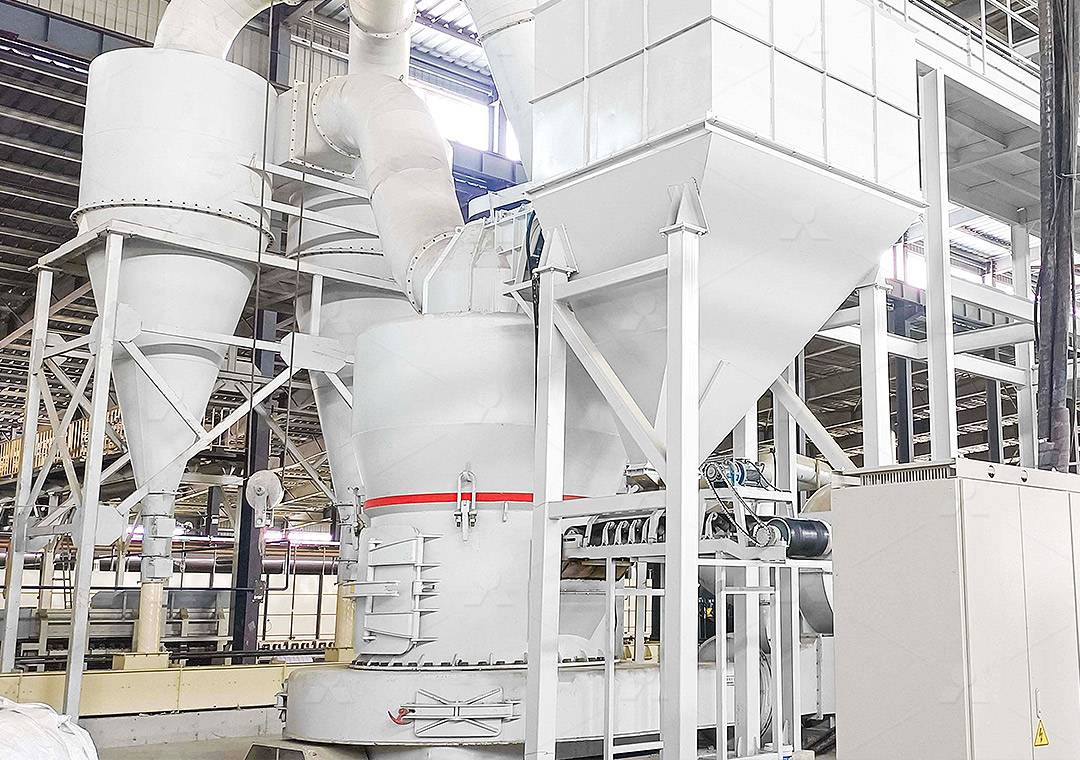
For professional-grade results, consider our MW Ultrafine Grinding Mill featuring adjustable 325-2500 mesh fineness and 40% higher efficiency than conventional mills.
Safety Considerations
- Wear dust masks when handling dry concentrates
- Install emergency stop switches
- Ground all electrical components
For commercial operations, our mills include built-in pulse dust collectors and noise reduction systems exceeding environmental standards.