
Steel Slag Vertical Roller Mill: Efficient Grinding Equipment for Solid Waste Recycling
We provide a wide range of mills — including Raymond mill, trapezoidal mill, vertical mill, ultrafine mill, and ball mill, obtained ISO9001 international quality certification, EU CE certification, and Customs Union CU-TR certification. Suitable for processing minerals such as limestone, phosphate, quicklime, kaolin, talc, barite, bentonite, calcium carbonate, dolomite, coal, gypsum, clay, carbon black, slag, cement raw materials, cement clinker, and more.
The discharge range of these mills can be adjusted to meet specific processing needs, typically from 80-400 mesh, 600-3250 mesh, and can achieve the finest particle size of up to 6000 mesh(D50).
If you are looking for a reliable grinding solution to turn stone or minerals into fine powder, please feel free to contact our online customer service.
Steel Slag Vertical Roller Mill: Efficient Grinding Equipment for Solid Waste Recycling
In today’s world, the recycling of industrial solid waste like steel slag is not just an environmental imperative but also an economic opportunity. Steel slag, a by-product of steelmaking, presents a significant challenge due to its volume and hardness. However, with the right technology, it can be transformed into a valuable resource for applications in cement production, construction, and road building. The key to unlocking this potential lies in efficient and reliable grinding equipment.
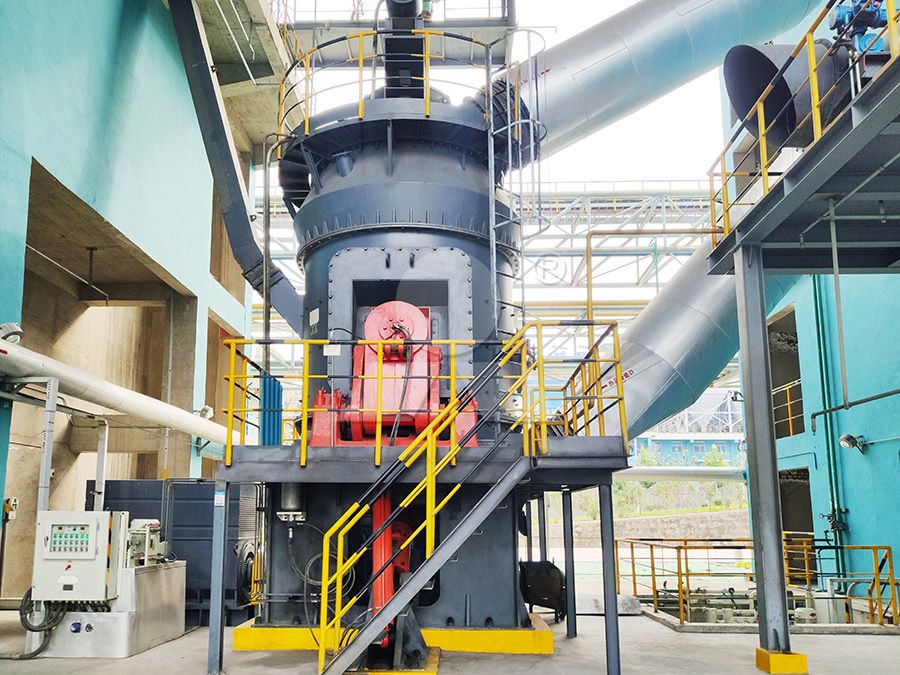
Traditional grinding methods often fall short when processing abrasive materials like slag. They can be energy-intensive, require high maintenance, and struggle to achieve the desired fineness consistently. This is where advanced vertical roller mills (VRMs) come into play. Designed specifically for tough applications, these mills offer a superior solution for slag recycling, providing higher efficiency, lower energy consumption, and remarkable operational stability.
The Power of Vertical Grinding Technology
Vertical roller mills integrate multiple processes—drying, grinding, classifying, and conveying—into a single, compact unit. Their vertical structure is a significant space-saver compared to traditional ball mills. The core of their efficiency lies in the grinding principle: material is ground between a rotating table and rollers under hydraulic pressure. This method ensures a short material retention time, reducing over-grinding and resulting in a product with low iron content and uniform particle size distribution, which is crucial for the quality of the final slag powder.
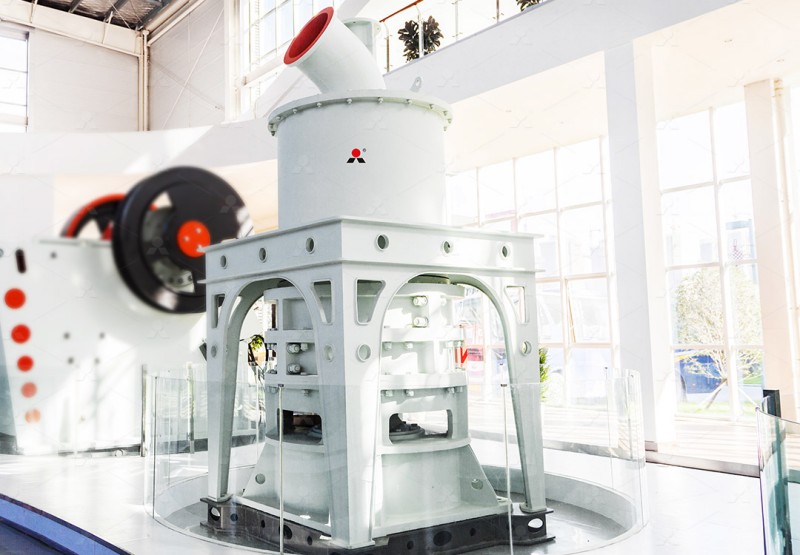
For operations focused on ultra-fine powder production from slag and other industrial wastes, our MW Ultrafine Grinding Mill is an exceptional choice. This machine is engineered for customers who need to make ultra-fine powder with high precision. With an input size of 0-20 mm and a capacity range of 0.5-25 tph, it is equipped with an efficient pulse dust collector and muffler, significantly reducing dust and noise for a more environmentally friendly production process. Its cage-type powder selector, adopting German technologies, allows for adjustable fineness between 325-2500 meshes, achieving a high screening rate of d97≤5μm in a single pass. A standout feature is the absence of rolling bearings and screws in the grinding chamber, eliminating worries about bearing damage or loose screws causing machine failure.
Beyond Slag: A Versatile Performer
The versatility of modern vertical mills extends far beyond steel slag. They are equally adept at handling limestone, calcite, fly ash, and other non-metallic minerals. This flexibility makes them a cornerstone asset for integrated solid waste management and resource recovery centers. By investing in this technology, companies not only manage their waste responsibly but also create new revenue streams from what was once considered refuse.
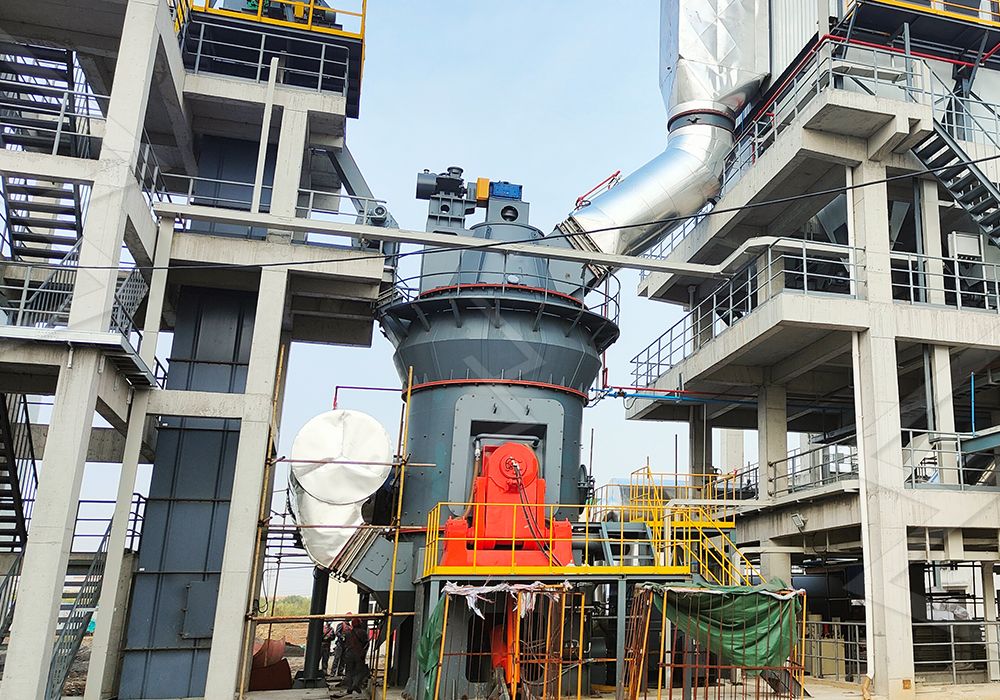
Another robust solution in our lineup for such demanding tasks is the LM Vertical Slag Mill. Specifically designed for grinding industrial waste into powder, it integrates drying, grinding, powder selection, and conveying. With a capacity range of 7-100 T/H and handling input sizes of 38-65 mm, it is a workhorse for slag recycling. Its unique grinding device achieves the integration of grinding and powder selection, focusing specifically on slag milling. The system’s energy consumption is only 30% ~ 40% of a traditional ball milling system, and its compact design reduces the covered area by about 50%. It produces a finished powder with uniform fineness and a high screening rate, all with relatively low operational noise.
Conclusion: Investing in a Sustainable Future
The adoption of specialized vertical roller mills for steel slag and solid waste recycling is a clear step towards more sustainable and profitable industrial practices. These mills offer unparalleled grinding efficiency, energy savings, and environmental benefits. As regulations tighten and the demand for recycled materials grows, this technology provides the necessary edge to stay competitive while contributing positively to environmental conservation.