
Steel Slag Micropowder Production Line Process and Equipment
We provide a wide range of mills — including Raymond mill, trapezoidal mill, vertical mill, ultrafine mill, and ball mill, obtained ISO9001 international quality certification, EU CE certification, and Customs Union CU-TR certification. Suitable for processing minerals such as limestone, phosphate, quicklime, kaolin, talc, barite, bentonite, calcium carbonate, dolomite, coal, gypsum, clay, carbon black, slag, cement raw materials, cement clinker, and more.
The discharge range of these mills can be adjusted to meet specific processing needs, typically from 80-400 mesh, 600-3250 mesh, and can achieve the finest particle size of up to 6000 mesh(D50).
If you are looking for a reliable grinding solution to turn stone or minerals into fine powder, please feel free to contact our online customer service.
Steel Slag Micropowder Production Line Process and Equipment
Steel slag, a by-product of steelmaking, presents both a disposal challenge and a significant oportunity for value-added recycling. When processed into high-quality micropowder, it can be used as a supplementary cementitious material (SCM) in concrete, reducing cement consumption and improving certain properties of the concrete. The production of this powder requires a sophisticated and efficient grinding process to achieve the desired fineness and reactivity.
The Core Process: From Waste to Resource
The typical production line begins with the pre-treatment of raw steel slag. This involves magnetic separation to recover residual iron, which is crucial for protecting downstream grinding equipment from metal contamination. The slag is then crushed to a smaller, more uniform size, typically below 20mm, to prepare it for the main grinding stage.
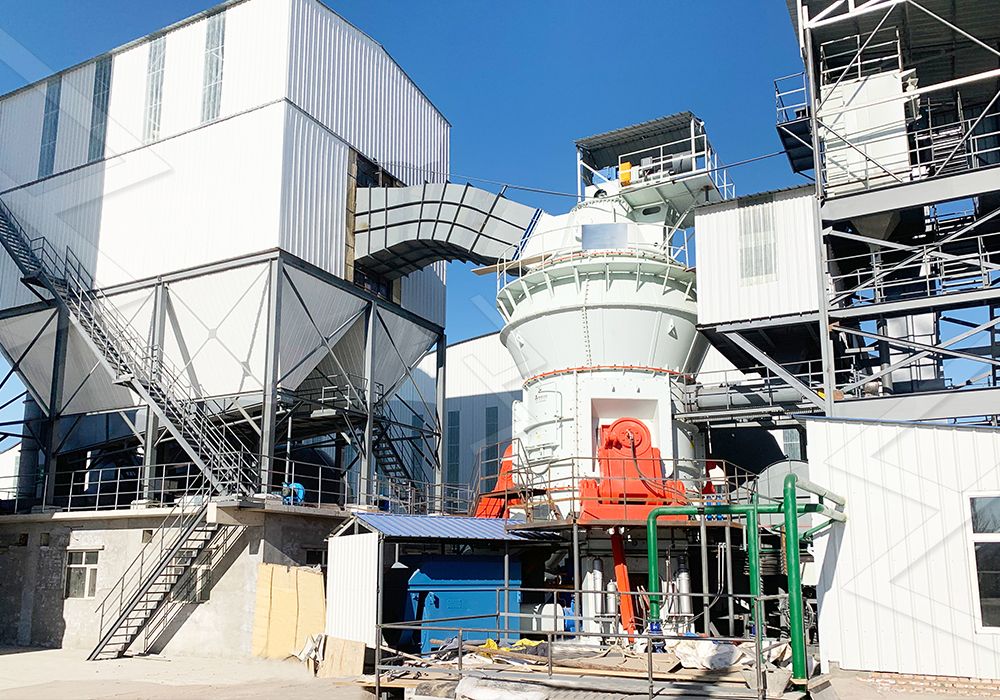
The heart of the operation is the grinding mill. This is where the pre-treated slag is pulverized into fine powder. The choice of grinding equipment is paramount, as it directly impacts production efficiency, energy consumption, and the final product’s quality. The goal is to achieve a high Blaine fineness, often between 400-600 m²/kg, to unlock the slag’s latent hydraulic properties.
Critical Equipment: The Grinding Mill
While several types of mills can be used, vertical roller mills have become the industry standard for large-scale slag powder production due to their superior energy efficiency and drying capabilities. A standout performer in this category is our LUM Ultrafine Vertical Grinding Mill.
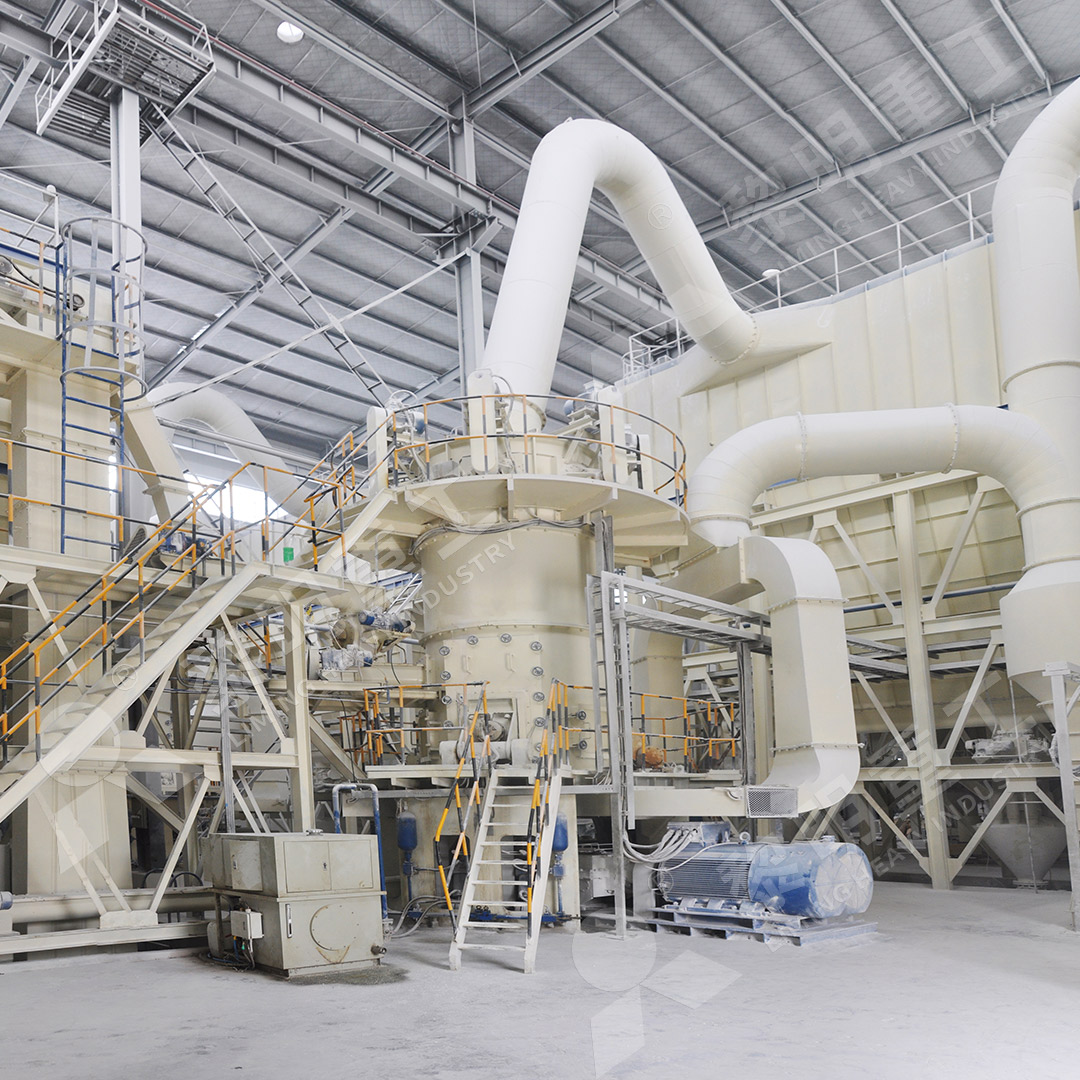
This mill is engineered for excellence. It features a unique roller shell and lining plate grinding curve design that facilitates the formation of a stable material layer, enabling high-yield, single-pass milling. This not only boosts efficiency but also enhances the whiteness and cleanliness of the final product—a key market requirement. Its advanced multi-head powder separating technology, powered by a PLC control system, allows for precise control over fineness, effortlessly adjusting between 325-2500 meshes. Compared to conventional mills, the LUM reduces energy consumption by an impressive 30%-50%, offering substantial operational cost savings.
Finishing and Quality Control
After grinding, the fine powder is conveyed to a high-efficiency powder collector (like a cyclone or baghouse) for separation from the air flow. The collected powder may then be fed into a homogenization silo. This step is critical for ensuring a consistent and uniform product, blending powder from different batches to meet strict quality specifications. Finally, the premium-grade steel slag micropowder is packaged for shipment to concrete batching plants and cement blenders.
Why Choose Our Solution?
Investing in a complete production line from a single supplier ensures compatibility and reliability. Our LUM Ultrafine Vertical Grinding Mill is designed with maintenance in mind. Its reversible structure allows heavy grinding rollers to be easily swung out of the mill body for inspection and part replacement, dramatically reducing downtime and associated losses.
For projects requiring an alternative configuration or dealing with slightly different feed characteristics, our MW Ultrafine Grinding Mill presents another robust option. With an input size of 0-20mm and a capacity range of 0.5-25 tph, it’s a versatile machine capable of producing fine powder between 325-2500 meshes. Its defining feature is the absence of rolling bearings and screws in the grinding chamber, eliminating common failure points and enabling external lubrication without shutdown for true 24/7 operation.
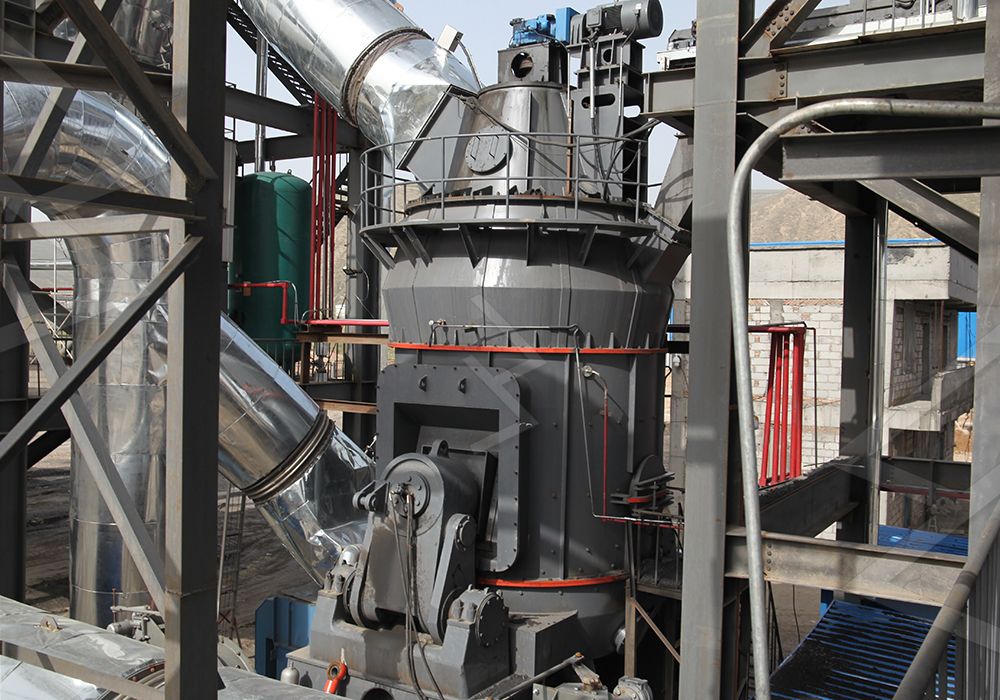
In conclusion, transforming steel slag into a valuable micropowder is a complex but highly rewarding process. The selection of the right grinding technology—epitomized by our LUM and MW series mills—is the most critical factor in determining the profitability and sustainability of the operation. By focusing on energy efficiency, product quality, and operational reliability, our equipment provides a future-proof solution for the circular economy in the steel and construction industries.