
Steel Mill Water Slag Recycling: Micronization Equipment for Sustainable Waste Management
We provide a wide range of mills — including Raymond mill, trapezoidal mill, vertical mill, ultrafine mill, and ball mill, obtained ISO9001 international quality certification, EU CE certification, and Customs Union CU-TR certification. Suitable for processing minerals such as limestone, phosphate, quicklime, kaolin, talc, barite, bentonite, calcium carbonate, dolomite, coal, gypsum, clay, carbon black, slag, cement raw materials, cement clinker, and more.
The discharge range of these mills can be adjusted to meet specific processing needs, typically from 80-400 mesh, 600-3250 mesh, and can achieve the finest particle size of up to 6000 mesh(D50).
If you are looking for a reliable grinding solution to turn stone or minerals into fine powder, please feel free to contact our online customer service.
Transforming Industrial Byproduct into Valuable Resource
The global steel industry generates millions of tons of water slag annually, presenting both an environmental challenge and economic opportunity. As steel production continues to meet growing infrastructure demands, innovative approaches to waste management become increasingly critical. Water slag, when properly processed, transforms from an industrial byproduct into a valuable material with applications spanning construction, cement production, and agricultural sectors.
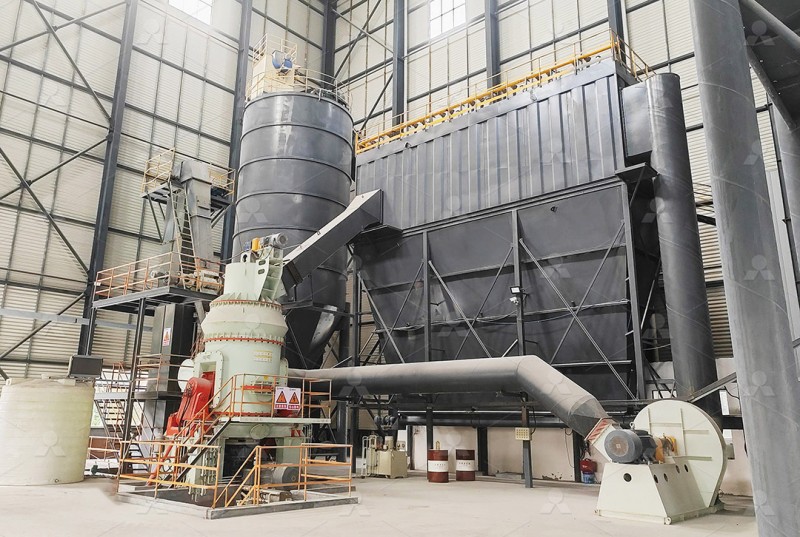
The Micronization Imperative
Effective slag recycling hinges on achieving precise particle size reduction. The transformation of coarse slag into fine powders unlocks its potential as a supplementary cementitious material, soil conditioner, or raw material for various industrial processes. Traditional grinding methods often fall short in terms of energy efficiency, particle consistency, and environmental performance. Modern micronization technology addresses these limitations through advanced engineering solutions.
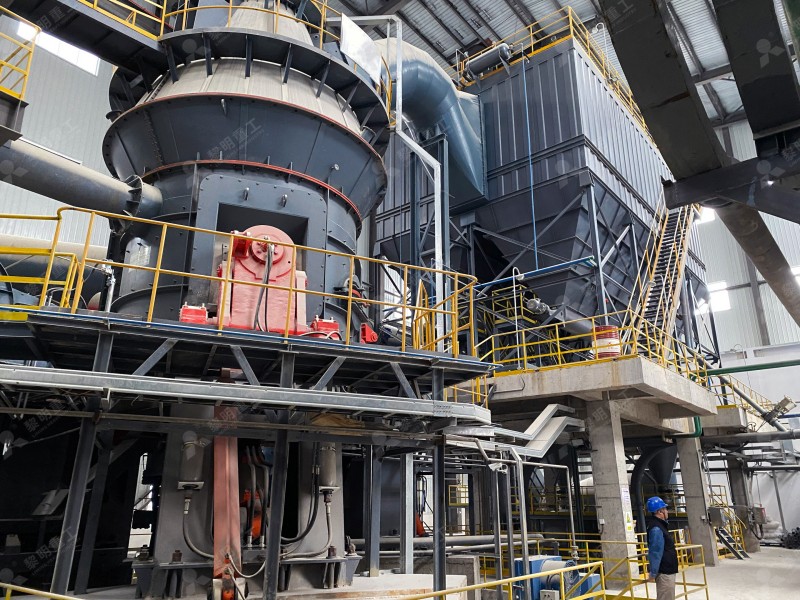
Among the equipment options available, the MW Ultrafine Grinding Mill stands out for water slag applications. With an input size capability of 0-20 mm and capacity ranging from 0.5-25 tph, this system handles typical slag outputs efficiently. The mill’s innovative design eliminates rolling bearings and screws within the grinding chamber, significantly reducing maintenance concerns while ensuring continuous 24-hour operation. The adjustable fineness between 325-2500 meshes allows operators to tailor output specifications precisely to market requirements.
Environmental Compliance and Operational Efficiency
Modern slag processing must balance productivity with environmental responsibility. Equipment integrating efficient dust collection and noise reduction technologies represents the current industry standard. The MW Ultrafine Grinding Mill incorporates a pulse dust collector and silencer system that maintains operations within stringent environmental regulations. This approach demonstrates that industrial recycling processes can coexist with community environmental expectations.
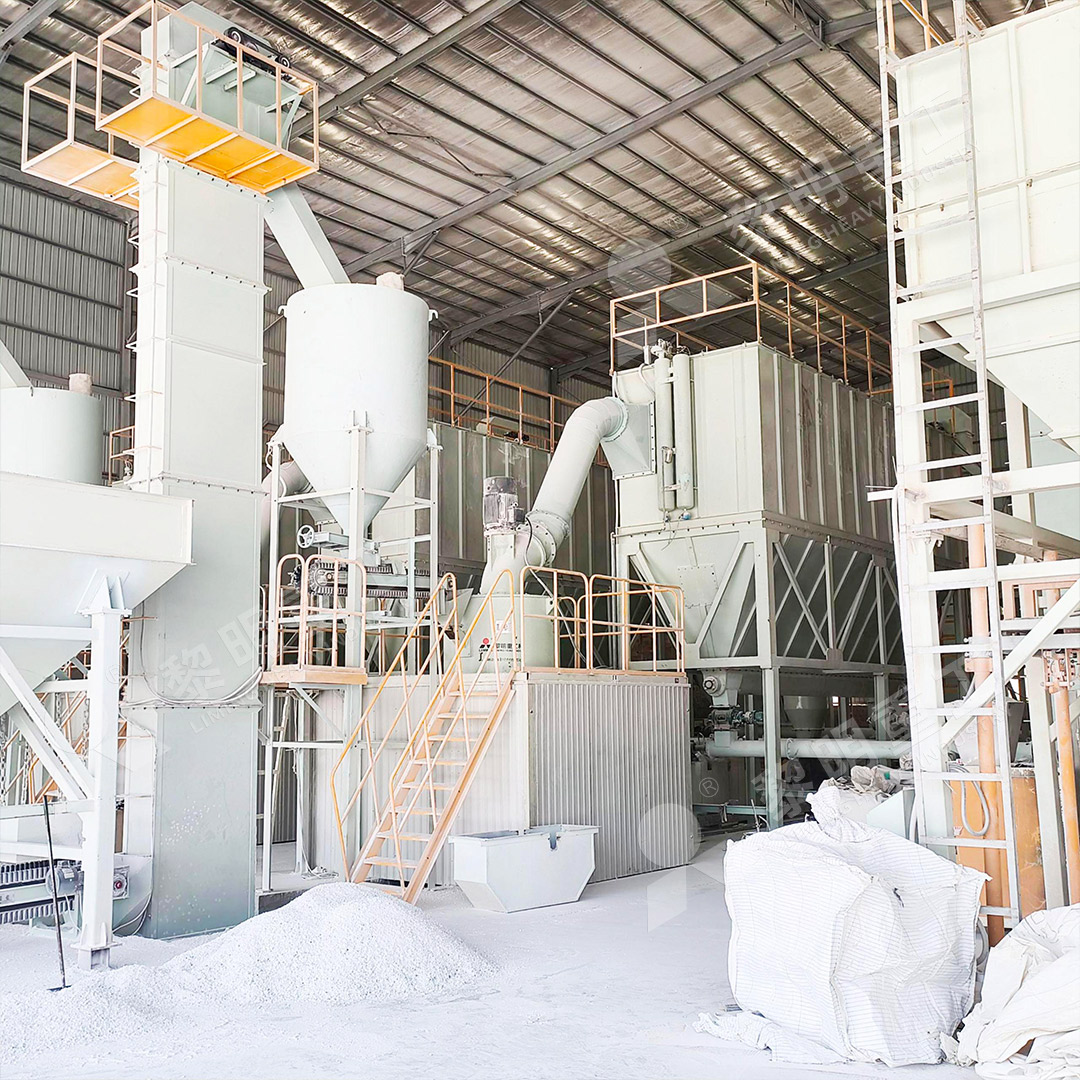
For operations requiring higher throughput with similar precision, the LUM Ultrafine Vertical Grinding Mill offers complementary capabilities. Processing materials up to 10 mm at 5-18 tph, this system features double position-limiting technology that ensures operational stability even under variable feed conditions. The reversible structure simplifies maintenance procedures, reducing downtime during roller inspection or replacement.
Economic Viability and Market Applications
The business case for slag recycling strengthens as landfill costs rise and sustainable construction practices gain traction. Processed slag finds application in multiple high-value markets:
- Construction Industry: Fine slag powders serve as partial cement replacement in concrete, enhancing durability while reducing carbon footprint
- Agriculture: Micronized slag provides essential micronutrients and soil conditioning properties
- Industrial Manufacturing: Consistent particle size makes slag suitable for various manufacturing processes
The energy efficiency of modern grinding equipment significantly impacts operational economics. The MW mill’s design achieves 40% higher production capacity compared to jet grinding alternatives while consuming 30% less energy. This combination of higher yield and lower operating cost creates compelling return on investment scenarios for steel producers investing in recycling infrastructure.
Frequently Asked Questions
What particle size range is achievable with modern slag grinding equipment?
Advanced systems like the MW Ultrafine Grinding Mill can produce powders ranging from 325 to 2500 meshes (approximately 45 to 5 microns), with specific fineness adjustable according to application requirements.
How does slag processing equipment address environmental concerns?
Modern mills integrate multiple environmental protection features including pulse dust collectors that eliminate particulate emissions, noise reduction systems, and energy-efficient designs that minimize carbon footprint per ton processed.
What maintenance advantages do contemporary grinding mills offer?
Equipment like the MW series eliminates internal bearings and screws in the grinding chamber, reducing failure points. External lubrication systems allow maintenance without production stoppages, while digital monitoring enables predictive maintenance scheduling.
Can the same equipment process different types of industrial byproducts?
Yes, versatile grinding systems handle various materials beyond slag, including limestone, calcite, gypsum, and other non-metallic minerals, providing operational flexibility for diversified recycling operations.