
Standard Operating Procedure for Ball Mill Operation and Maintenance
We provide a wide range of mills — including Raymond mill, trapezoidal mill, vertical mill, ultrafine mill, and ball mill, obtained ISO9001 international quality certification, EU CE certification, and Customs Union CU-TR certification. Suitable for processing minerals such as limestone, phosphate, quicklime, kaolin, talc, barite, bentonite, calcium carbonate, dolomite, coal, gypsum, clay, carbon black, slag, cement raw materials, cement clinker, and more.
The discharge range of these mills can be adjusted to meet specific processing needs, typically from 80-400 mesh, 600-3250 mesh, and can achieve the finest particle size of up to 6000 mesh(D50).
If you are looking for a reliable grinding solution to turn stone or minerals into fine powder, please feel free to contact our online customer service.
Standard Operating Procedure for Ball Mill Operation and Maintenance
Ball mills are a cornerstone of many industrial grinding processes, prized for their robustness and versatility. Proper operation and diligent maintenance are paramount to ensuring optimal performance, longevity, and safety. This guide outlines the critical procedures for running and caring for your ball mill.
Pre-Startup Checklist
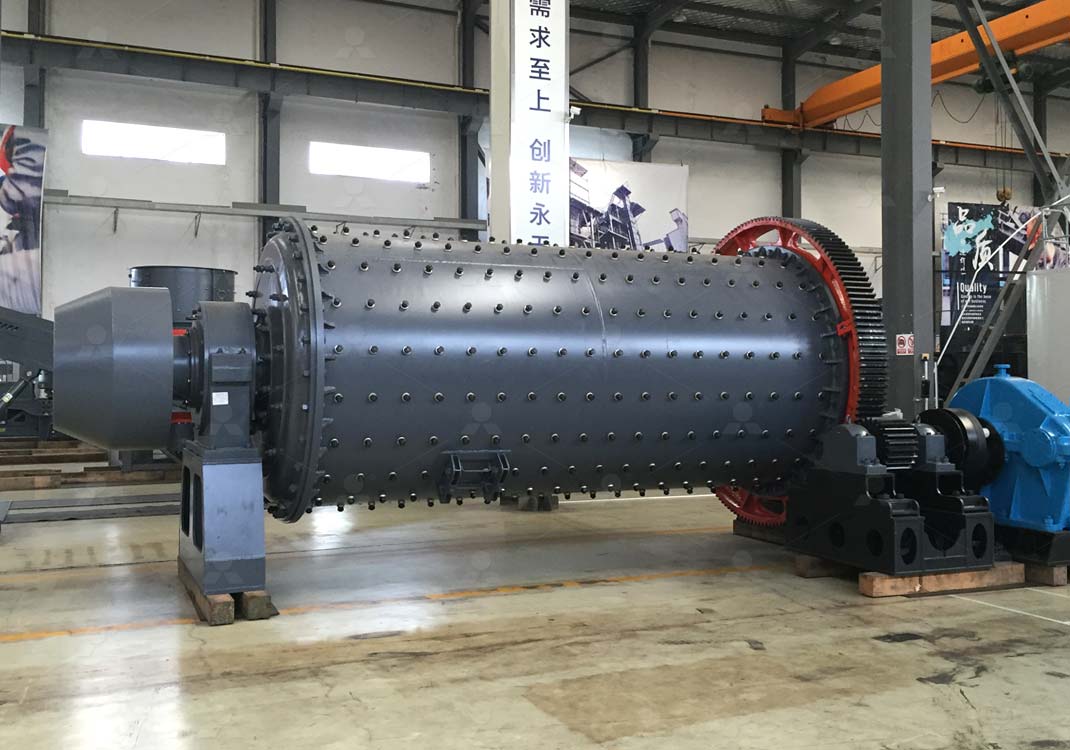
Before initiating operation, a thorough inspection is mandatory. Verify that all safety guards are securely in place. Check the lubrication levels of the trunnion bearings and pinion gear; improper lubrication is a leading cause of premature failure. Inspect the liner bolts for tightness and examine the mill shell and liners for any signs of excessive wear or cracking. Ensure the grinding media (balls) charge is at the recommended level and that the ore feed chute is clear of obstructions.
Startup and Operational Procedures
Start the mill drive motor. It is crucial to allow the mill to run empty for a few minutes to ensure all systems are functioning correctly and to listen for any unusual noises. Once confirmed, begin the feed material at a controlled rate. The optimal feed rate is one that allows for efficient grinding without overloading the mill. Monitor the amperage draw of the main motor closely; a sustained high reading indicates an overload condition, while a low reading may suggest under-loading or a low charge level. The sound of the mill can also be an indicator; a deep, rumbling sound typically signifies a good charge, whereas a loud, metallic crashing suggests a low charge or liner issues.
Routine Maintenance Schedule
A proactive maintenance schedule is the key to minimizing downtime.
- Daily: Check lubrication levels, listen for abnormal noises, and inspect for oil leaks.
- Weekly: Visually inspect liners and grinding media for wear. Check gear alignment.
- Monthly: Take precise measurements of liner thickness. Check for wear on the pinion and girth gear teeth.
- Annually: Plan for a comprehensive shutdown to replace worn liners, conduct non-destructive testing on the mill shell, and overhaul the lubrication system.
Enhancing Your Grinding Circuit
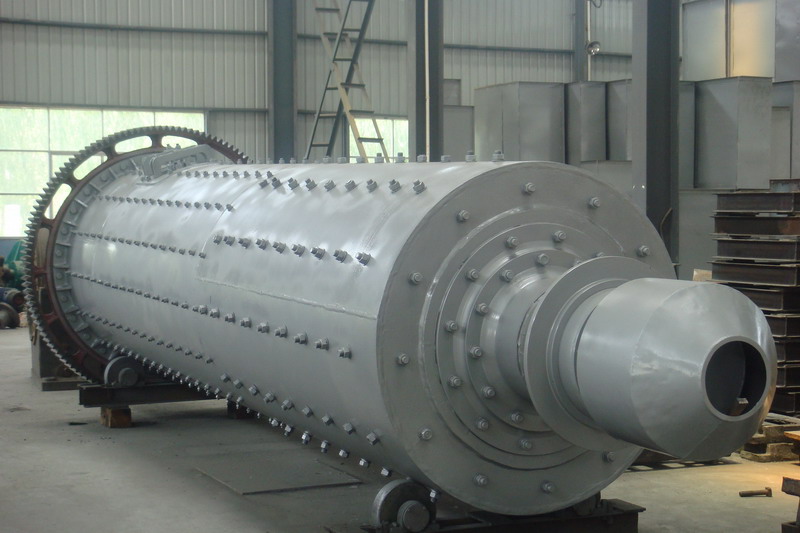
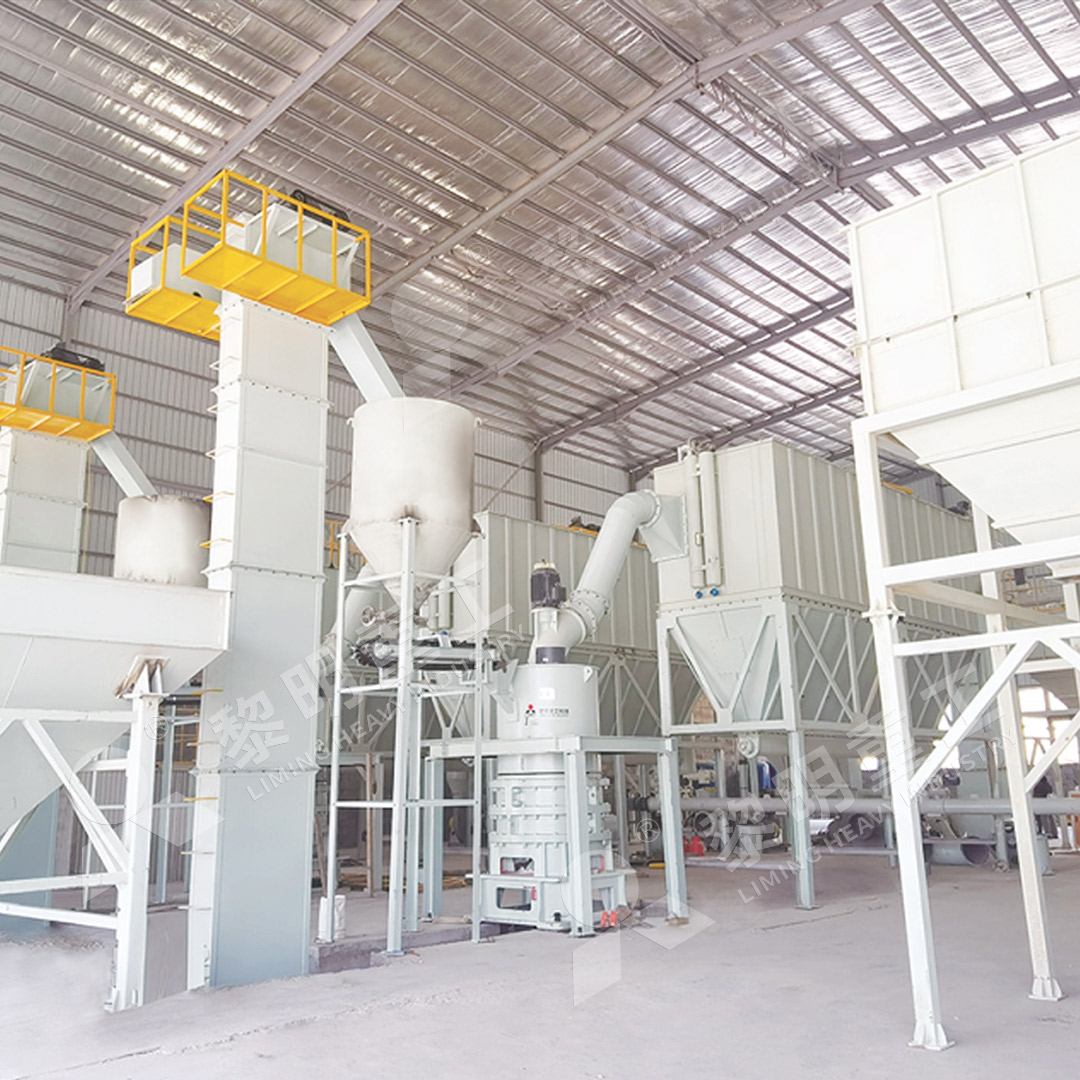
While ball mills are highly effective, modern operations often demand higher efficiency and finer products. For applications requiring ultra-fine powder between 325 and 2500 meshes, our MW Ultrafine Grinding Mill presents a superior alternative. It achieves a production capacity up to 40% higher than jet mills and double that of a ball mill, while reducing system energy consumption by up to 70%. Its innovative design, including an external lubrication system and no internal screws or rolling bearings in the grinding chamber, significantly reduces maintenance worries and allows for continuous 24/7 operation.
For operations seeking vertical integration and even greater energy savings, the LUM Ultrafine Vertical Grinding Mill is an excellent choice. Integrating grinding, classifying, and transporting, it reduces energy consumption by 30%-50% compared to traditional mills. Its reversible structure allows for easy maintenance, and the PLC-controlled multi-head powder separating technology ensures precise product fineness.
Frequently Asked Questions (FAQ)
What is the most common cause of ball mill failure?
Improper lubrication of the trunnion bearings and pinion gear is the most frequent culprit, leading to overheating, seizing, and catastrophic failure.
How often should I add grinding balls?
The rate of ball consumption depends on the abrasiveness of the material. It is essential to regularly check the ball charge level and add balls as needed to maintain the specified charge volume, typically determined by the mill’s power draw.
What are the signs of worn mill liners?
Key indicators include a drop in mill output, an increase in specific energy consumption, a change in the sound of the mill (more metallic), and visible reduction in liner thickness. Regular measurement is the best practice.
Can I switch to a more efficient mill without a complete plant overhaul?
Yes, many of our grinding solutions, including the MW and LUM series, are designed as modular or standalone units that can be integrated into existing circuits to replace or supplement older equipment, boosting overall plant efficiency.