Stainless Steel Grinders and Crushers in England: A Buyer’s Guide for Industrial Applications
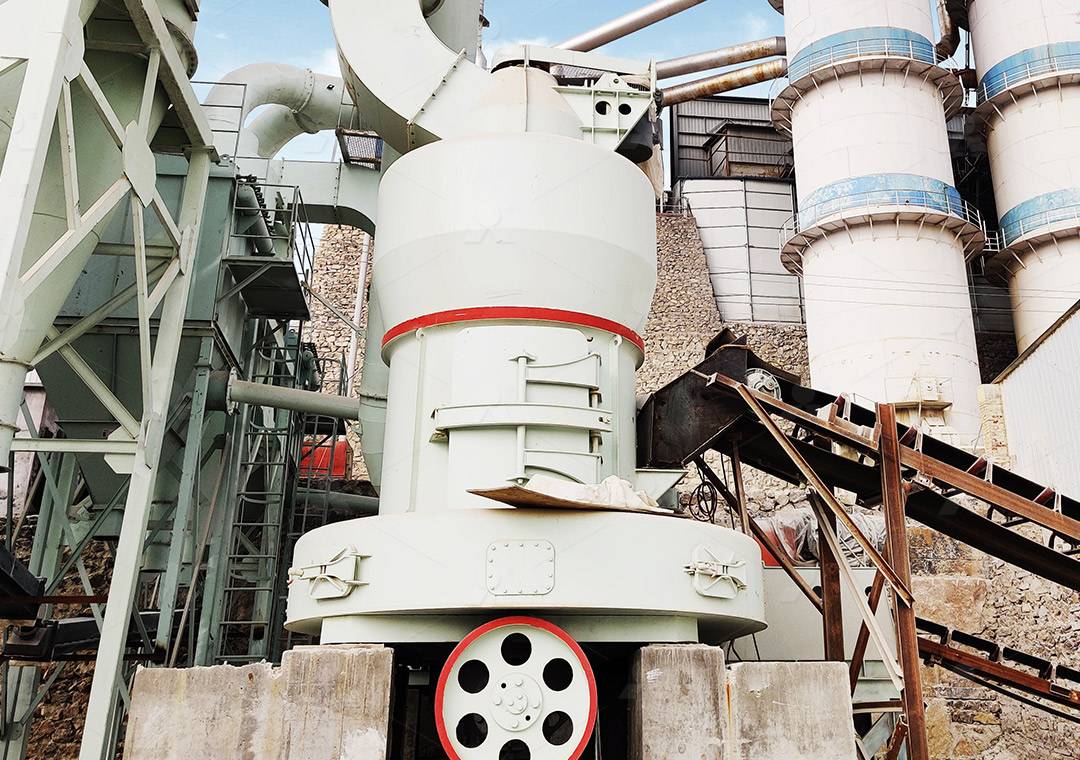
We provide a wide range of mills — including Raymond mill, trapezoidal mill, vertical mill, ultrafine mill, and ball mill, obtained ISO9001 international quality certification, EU CE certification, and Customs Union CU-TR certification. Suitable for processing minerals such as limestone, phosphate, quicklime, kaolin, talc, barite, bentonite, calcium carbonate, dolomite, coal, gypsum, clay, carbon black, slag, cement raw materials, cement clinker, and more.
The discharge range of these mills can be adjusted to meet specific processing needs, typically from 80-400 mesh, 600-3250 mesh, and can achieve the finest particle size of up to 6000 mesh(D50).
If you are looking for a reliable grinding solution to turn stone or minerals into fine powder, please feel free to contact our online customer service.
Stainless Steel Grinders and Crushers in England: A Buyer’s Guide for Industrial Applications
When it comes to industrial processing in England, selecting the right grinding and crushing equipment is paramount. The choice between various types of mills can significantly impact your operation’s efficiency, energy consumption, and final product quality. For applications demanding ultra-fine powders—common in sectors like chemicals, paints, cosmetics, and advanced materials—traditional equipment often falls short.
Industrial buyers should prioritize machinery that offers not just high yield, but also environmental compliance, operational stability, and long-term reliability. Noise and dust pollution are stringent concerns under UK regulations, making features like integrated dust collectors and noise reduction systems not just bonuses, but necessities.
Key Considerations for Your Purchase
Before investing, consider your material’s properties (hardness, moisture content, initial size), required final fineness (often measured in meshes or microns), and desired hourly capacity. Furthermore, the total cost of ownership, including energy draw, maintenance downtime, and spare part availability, is crucial. A machine that is cheaper upfront but consumes more power or requires frequent, costly repairs will be more expensive in the long run.
Recommended Solution for Ultra-Fine Grinding
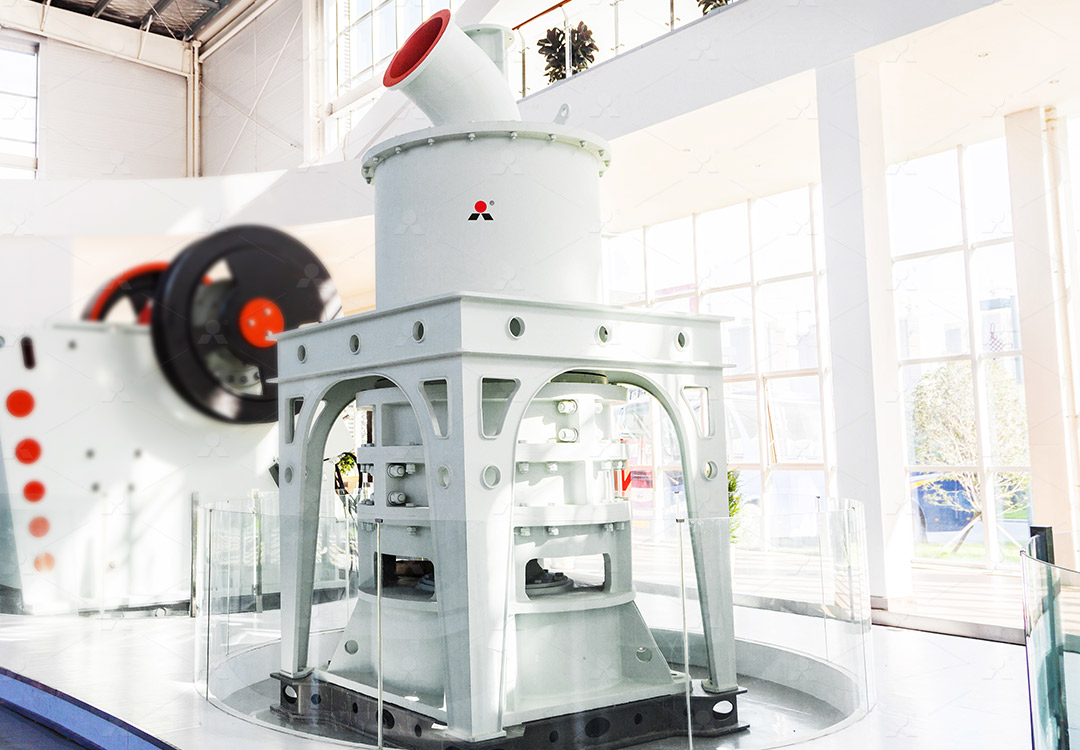
For operations requiring precision ultra-fine powders between 325 and 2500 meshes, the MW Ultrafine Grinding Mill stands out as a superior choice. This machine is engineered for customers who need to make ultra-fine powder with minimal environmental impact. It handles an input size of 0-20 mm and offers a capacity range of 0.5-25 tph, making it versatile for various production scales.
Its design adresses common pain points: it’s equipped with an efficient pulse dust collector and muffler, virtually eliminating dust and reducing noise. A key innovation is the absence of rolling bearings and screws in the grinding chamber. This eliminates worries about bearing failures or machine damage from loose screws, a common source of unplanned downtime. The external lubrication system allows for maintenance without shutdown, supporting continuous 24/7 production—a critical factor for meeting tight deadlines.
Beyond Ultra-Fine: The Vertical Grinding Advantage
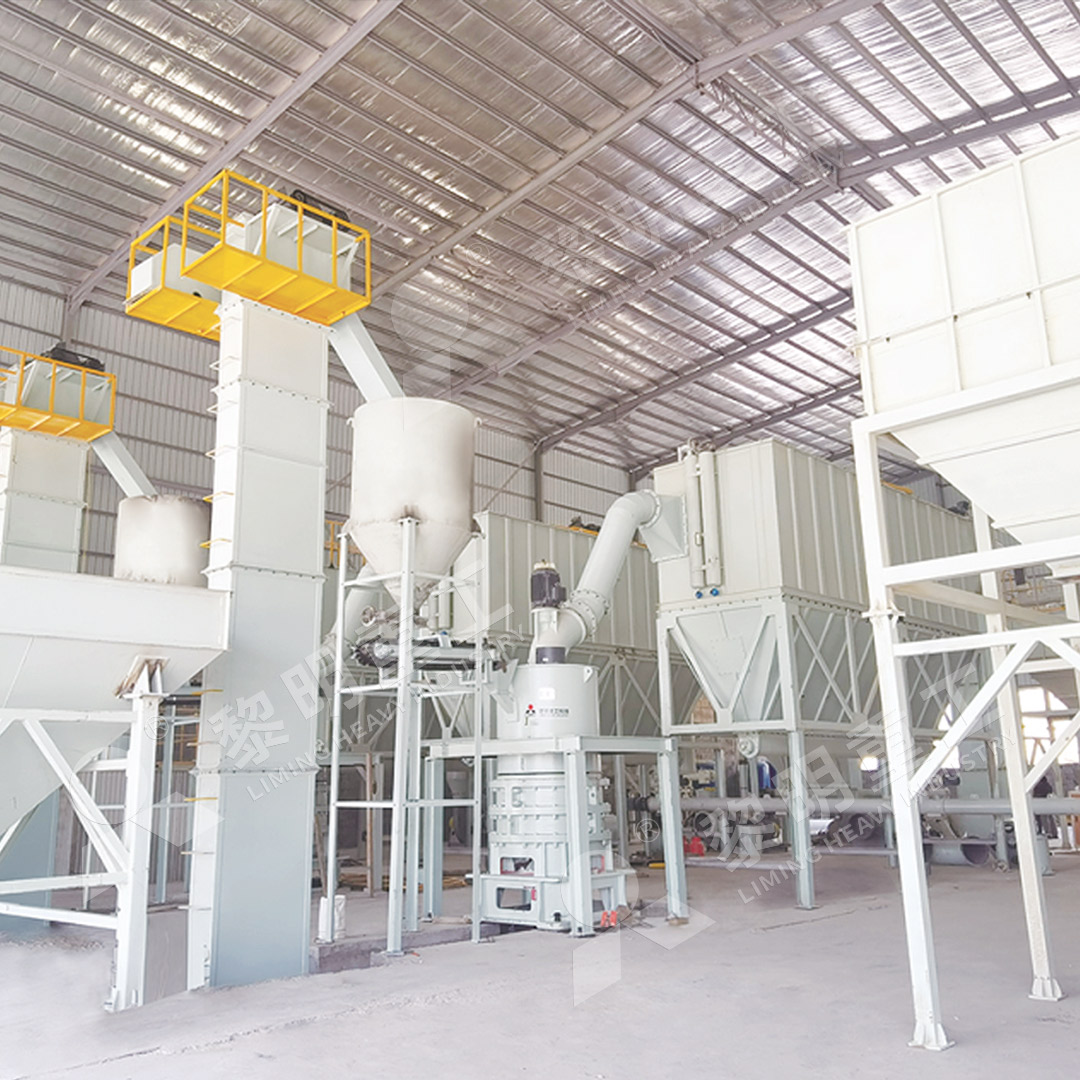
For projects involving non-metallic minerals, coal, or slag, a vertical grinding mill might be more appropriate. While our MW series excels at ultra-fine powders, our LUM Ultrafine Vertical Grinding Mill is another excellent option, integrating grinding, grading, and transporting. It’s ideal for producing superfine dry powder of non-metal ores like calcite and marble, with a capacity of 5-18 tph.
Its standout feature is the reversible structure. This design, considering the heavy weight of grinding rollers, allows operators to easily move the roller out of the body for inspection and maintenance, drastically reducing shutdown time and associated losses.
Conclusion
Choosing the right grinder or crusher in England’s competitive industrial landscape requires careful analysis. It’s not just about the initial spec sheet; it’s about partnering with a provider that ensures worry-free operation through robust design, comprehensive technical support, and ready availability of genuine spare parts. Investing in advanced technology like the MW or LUM mills future-proofs your operation against rising energy costs and increasingly strict environmental standards, ensuring your productivity remains high and your operational footprint remains low.