
Space Requirements for Installing a Limestone Grinding Mill
We provide a wide range of mills — including Raymond mill, trapezoidal mill, vertical mill, ultrafine mill, and ball mill, obtained ISO9001 international quality certification, EU CE certification, and Customs Union CU-TR certification. Suitable for processing minerals such as limestone, phosphate, quicklime, kaolin, talc, barite, bentonite, calcium carbonate, dolomite, coal, gypsum, clay, carbon black, slag, cement raw materials, cement clinker, and more.
The discharge range of these mills can be adjusted to meet specific processing needs, typically from 80-400 mesh, 600-3250 mesh, and can achieve the finest particle size of up to 6000 mesh(D50).
If you are looking for a reliable grinding solution to turn stone or minerals into fine powder, please feel free to contact our online customer service.
Space Requirements for Installing a Limestone Grinding Mill
Properly planning the installation space for a limestone grinding mill is a critical first step in any mineral processing operation. Inadequate space can lead to operational inefficiencies, safety hazards, and dificulties in maintenance. The total footprint must account not only for the mill itself but also for ancillary equipment, material flow, and safe access for personnel.
Key Spatial Considerations
The primary spatial requirements can be broken down into three main areas: the mill’s base footprint, operational clearance, and maintenance access.
Base Footprint: This is the physical floor space the mill and its immediate supporting structres will occupy. For larger mills, this often requires a reinforced concrete foundation. The size varies significantly based on the mill type and capacity.
Operational Clearance: Ample space must be allocated around the equipment for the connection of ducts, pipes, and electrical conduits. Operators need clear walkways for monitoring the machine during operation. A cramped environment increases the risk of accidents and complicates daily checks.
Maintenance Access: This is perhaps the most overlooked aspect. Sufficient space must be provided to allow for the safe removal and replacement of major components like grinding rollers, classifiers, and motors. This often requires overhead clearance for a crane or gantry system.
Recommended Mill for Limited Space: MW Ultrafine Grinding Mill
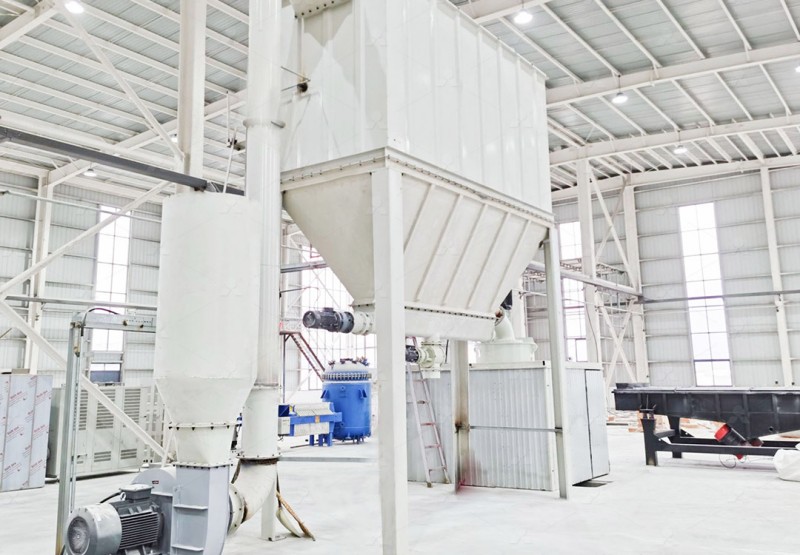
For operations where floor space is at a premium, we highly recomend our MW Ultrafine Grinding Mill. This machine is engineered for high performance in a relatively compact design. With an input size of 0-20 mm and a capacity range of 0.5-25 tph, it is perfectly suited for producing ultra-fine limestone powder. Its integrated design, which includes an efficient pulse dust collector and muffler, reduces the need for extensive external auxiliary systems, thereby shrinking the overall plant footprint. The innovative design, featuring no rolling bearings or screws in the grinding chamber, not only enhances reliability but also simplifies the internal layout, contributing to its space-efficient profile.
Vertical Mill Advantage: The LUM Series
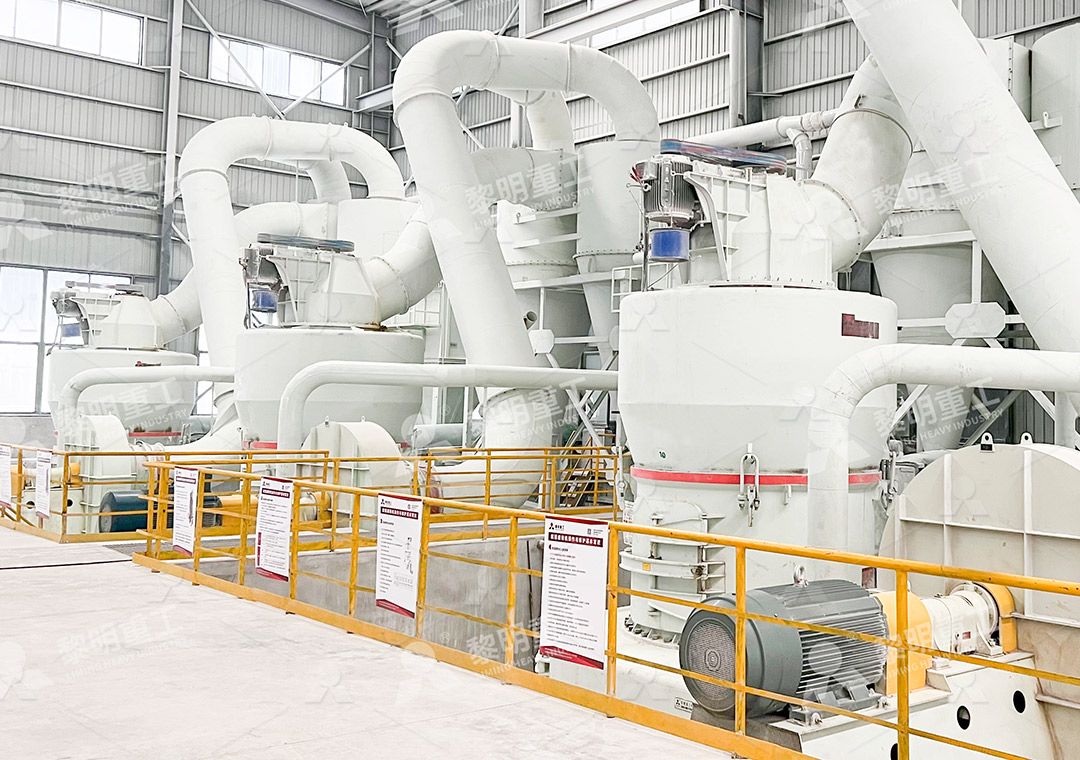
Another excellent space-saving solution is our LUM Ultrafine Vertical Grinding Mill. Vertical mills, by their very nature, have a significantly smaller footprint compared to traditional horizontal ball mills or Raymond mills. The LUM model integrates grinding, grading, and transporting into a single, vertical unit. With an input size of 0-10 mm and a capacity of 5-18 tph, it is a powerhouse for fine and ultra-fine limestone grinding. Its vertical arrangement means it consumes less floor space, leaving more room for raw material storage, finished product silos, or other process equipment. The reversible structure of the grinding roller also means maintenance can be performed with less lateral space required.
Beyond the Machine: Auxiliary Equipment Space
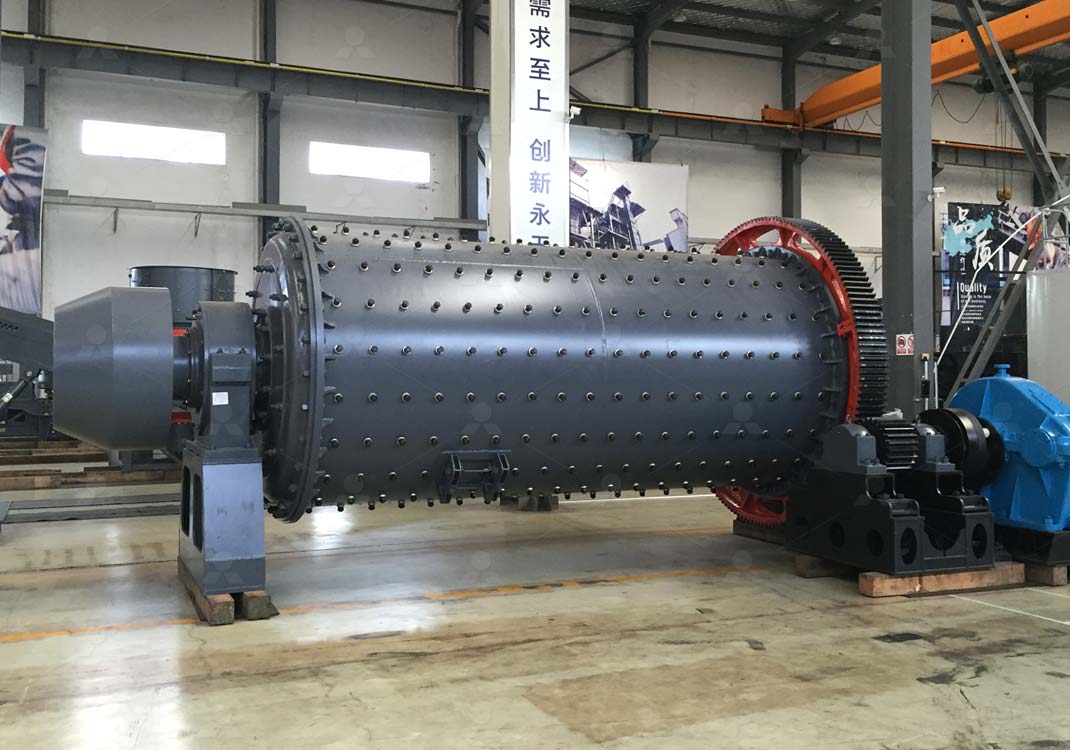
Remember to factor in the space for the entire system. This includes:
- Feeding System: Hoppers, vibrating feeders, and conveyor belts.
- Collection System: Cyclones, baghouse dust collectors, and screw conveyors.
- Power Unit: Transformers, switchgear, and the main motor.
- Compressed Air: If your mill or dust collection system requires it.
Always consult the detailed foundation drawing and layout plan provided by our engineering team during the quotation process. These documents provide precise dimensions, load bearings, and required service spaces specific to the chosen model.
Conclusion
Investing time in meticulous space planning during the initial design phase will pay dividends throughout the life of your grinding operation. Choosing a modern, integrated mill like the MW Ultrafine Grinding Mill or the LUM Ultrafine Vertical Grinding Mill can dramatically reduce your spatial requirements while delivering superior grinding performance, lower energy consumption, and a more environmentally friendly operation. Contact our technical sales team for a customized layout plan tailored to your specific production goals and available space.