
Small Stone Grinding Mill Machine Price and Images: A Comprehensive Guide
We provide a wide range of mills — including Raymond mill, trapezoidal mill, vertical mill, ultrafine mill, and ball mill, obtained ISO9001 international quality certification, EU CE certification, and Customs Union CU-TR certification. Suitable for processing minerals such as limestone, phosphate, quicklime, kaolin, talc, barite, bentonite, calcium carbonate, dolomite, coal, gypsum, clay, carbon black, slag, cement raw materials, cement clinker, and more.
The discharge range of these mills can be adjusted to meet specific processing needs, typically from 80-400 mesh, 600-3250 mesh, and can achieve the finest particle size of up to 6000 mesh(D50).
If you are looking for a reliable grinding solution to turn stone or minerals into fine powder, please feel free to contact our online customer service.
Navigating the Market for Small Stone Grinding Mills
For professionals in mining, construction, and material processing, selecting the right small stone grinding mill is a critical decision that impacts productivity, operational costs, and final product quality. The market offers a dizzying array of options, each with its own specifications, capabilities, and price points. This guide aims to cut through the noise, providing a clear overview of what to expect in terms of performance, investment, and visual design of these essential machines.
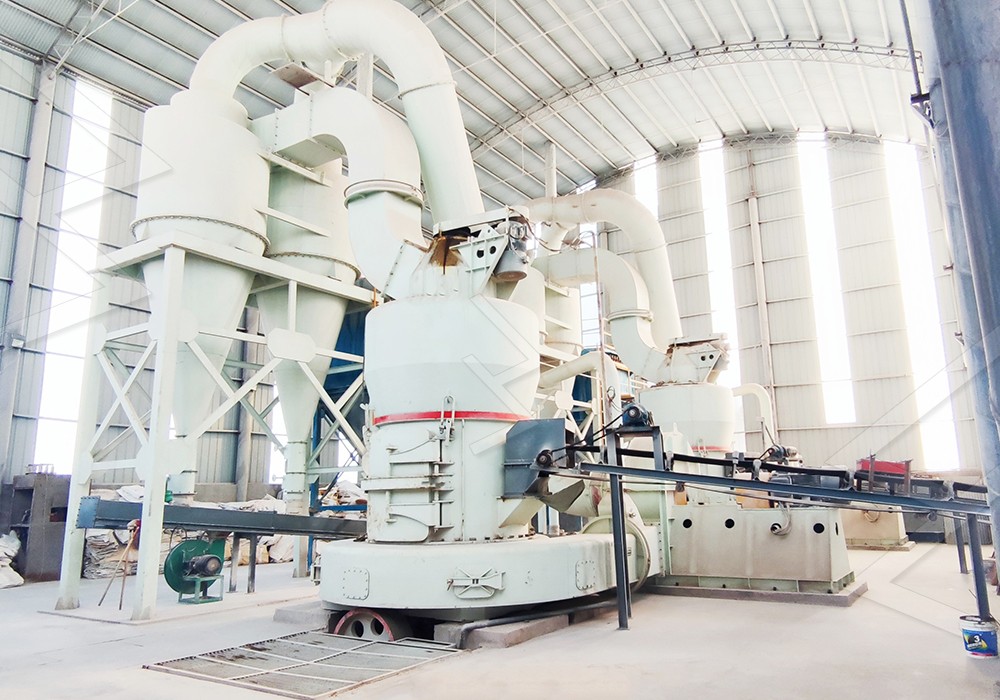
When discussing “small” stone grinding mills, we typically refer to equipment with capacities ranging from 0.5 to 55 tons per hour (tph), designed for finer processing stages or smaller-scale operations. The price spectrum is broad, influenced not just by capacity, but by technological sophistication, material durability, energy efficiency, and the level of automation and environmental controls integrated into the system.
Key Factors Influencing Price and Selection
The cost of a grinding mill is never just about the initial purchase. Savvy buyers evaluate the total cost of ownership, which includes energy consumption, maintenance frequency, spare parts availability, and expected lifespan. A machine with a higher upfront cost but 30-40% lower energy consumption can pay for itself in a remarkably short period. Similarly, mills built with wear-resistant alloys and intelligent designs that minimize direct metal-to-metal contact reduce downtime and replacement part costs significantly.
Another crucial consideration is the required fineness of the final powder. Applications in cosmetics, pharmaceuticals, or high-grade paints demand ultra-fine powders reaching 2500 meshes, necessitating advanced powder separation technology. For more standard construction or agricultural minerals, a fineness range of 325-600 meshes may suffice. The technology required to achieve and consistently maintain these finer specifications directly impacts the machine’s complexity and price.
Spotlight on Advanced Solutions: The MW and LUM Series
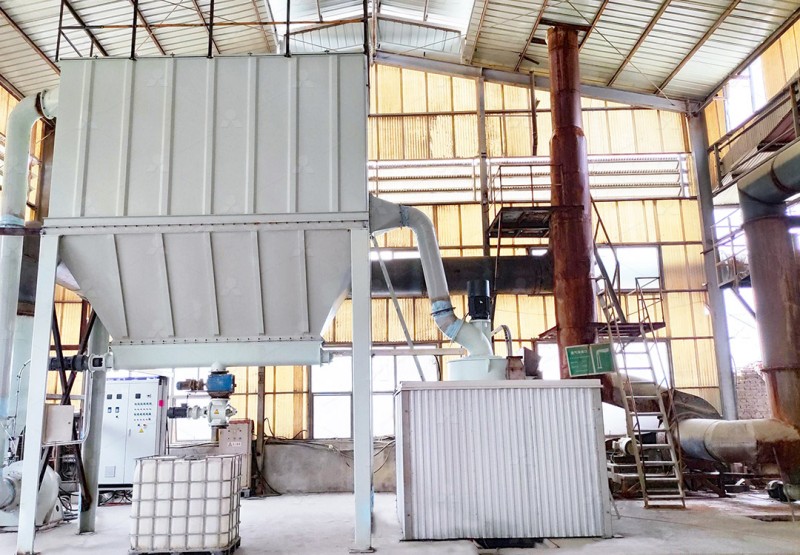
In the realm of high-efficiency, small-to-medium capacity grinding, two standout technologies merit close attention. For operations prioritizing ultra-fine powder production with exceptional environmental stewardship, the MW Ultrafine Grinding Mill represents a pinnacle of design. Engineered for customers needing to make ultra-fine powder from materials like limestone, calcite, and talc, it handles an input size of 0-20 mm with a capacity of 0.5-25 tph. Its defining features include a revolutionary grinding curve that boosts output by 40% over jet mills while slashing energy use by 70%. The German-designed cage-type powder selector allows precise fineness adjustment between 325-2500 meshes. Notably, its grinding chamber eliminates rolling bearings and screws, removing common failure points and enabling worry-free, continuous 24-hour operation. Coupled with an efficient pulse dust collector and muffler, it ensures a clean, quiet, and compliant production environment.
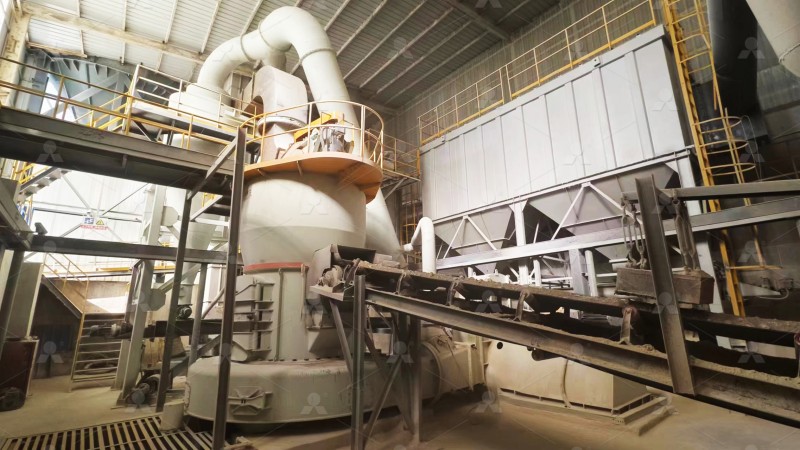
For those seeking vertical grinding efficiency, the LUM Ultrafine Vertical Grinding Mill is a masterclass in integrated design. With an input size of 0-10 mm and capacity of 5-18 tph, it excels in producing superfine dry powder. It integrates the latest grinding roller and powder separating technologies to deliver higher yield rates and better product whiteness. Its multi-head powder separating technology, controlled by a PLC system, solves the dual challenges of high-precision cutting and fast production switching, reducing energy consumption by 30-50%. A key innovation is its double position-limiting technology, which protects the mill from destructive vibrations, and a reversible structure that allows grinding rollers to be easily moved out for maintenance, drastically reducing shutdown losses.
Visual Design and Footprint
The physical design of modern small grinding mills reflects a focus on compact integration. Unlike the sprawling systems of the past, contemporary models like vertical mills and advanced trapezium mills integrate crushing, drying, grinding, classifying, and conveying into a single, coherent unit. This can reduce the floor space requirement by up to 50% compared to traditional ball mill systems. Externally, expect clean lines, digital control panels, and centralized connection points for auxiliary systems like dust collectors. The build quality is immediately apparent, with robust, precision-machined housings that speak to durability.
Making an Informed Investment
Ultimately, identifying the right small stone grinding mill requires aligning machine capabilities with specific business goals. Consider not only the raw material and desired output but also the available plant space, local environmental regulations, and long-term operational support. Reputable manufacturers back their machines with comprehensive technical services and genuine spare parts, which is a critical factor for ensuring worry-free operation and protecting your investment for years to come. Request detailed quotations that break down not just the machine cost, but also estimated energy use, recommended maintenance schedules, and available service packages.
Frequently Asked Questions (FAQ)
What is the typical price range for a small stone grinding mill?
Prices vary widely based on technology, capacity, and features. Small-scale Raymond or basic ball mills might start in the tens of thousands of dollars, while advanced, automated ultrafine or vertical grinding mills like the MW or LUM series can range into the hundreds of thousands. The key is to evaluate the total cost of ownership, not just the initial price tag.
How do I choose between a vertical mill (like LUM) and a trapezium mill (like MTW)?
The choice depends on your material and process needs. Vertical mills (LUM) are excellent for integrated drying and grinding, offer a smaller footprint, and are often more energy-efficient for very fine grinding. Trapezium mills (MTW) are incredibly robust, handle a slightly wider range of input sizes with great stability, and are often praised for their operational simplicity and ease of maintenance.
What does “ultrafine” grinding mean, and do I need it?
“Ultrafine” typically refers to powders with a fineness of 325 mesh and above, often reaching 2500 mesh. You need this capability if your end-market is in high-value industries like pharmaceuticals, advanced ceramics, high-quality paints, or cosmetics, where particle size directly influences product performance and quality.
How important is the dust collection system?
It is critically important for operational safety, environmental compliance, and product recovery. Modern mills like the MW series come equipped with efficient pulse dust collectors that ensure no dust pollution, protect workers’ health, and often allow for the recapture of valuable product that would otherwise be lost.
Can these mills run continuously?
Yes, many modern designs are built for continuous 24/7 operation. Features like external lubrication systems (as seen in the MW mill) and durable, low-wear components allow for extended runtime with minimal planned stops for maintenance, maximizing your production uptime.
What kind of after-sales support should I expect?
You should expect comprehensive support including installation guidance, operational training, a reliable supply of original spare parts, and accessible technical service. A manufacturer that stands behind their product will offer clear warranties and have a responsive team to help troubleshoot any operational issues.