
Small Stone Grinding Mill Equipment Price Guide
We provide a wide range of mills — including Raymond mill, trapezoidal mill, vertical mill, ultrafine mill, and ball mill, obtained ISO9001 international quality certification, EU CE certification, and Customs Union CU-TR certification. Suitable for processing minerals such as limestone, phosphate, quicklime, kaolin, talc, barite, bentonite, calcium carbonate, dolomite, coal, gypsum, clay, carbon black, slag, cement raw materials, cement clinker, and more.
The discharge range of these mills can be adjusted to meet specific processing needs, typically from 80-400 mesh, 600-3250 mesh, and can achieve the finest particle size of up to 6000 mesh(D50).
If you are looking for a reliable grinding solution to turn stone or minerals into fine powder, please feel free to contact our online customer service.
Small Stone Grinding Mill Equipment Price Guide
Navigating the world of small stone grinding mills can be challenging, especially when trying to balance performance requirements with budget constraints. As an industry professional with over fifteen years of experience in mineral processing equipment, I’ve witnessed how technological advancements have transformed what “small” grinding equipment can accomplish. Today’s compact mills deliver capabilities that rival larger systems from just a decade ago.
The pricing for small stone grinding mills varies significantly based on several key factors. Production capacity remains the primary driver, with machines ranging from laboratory-scale units processing mere kilograms per hour to industrial systems handling multiple tons. Material hardness also plays a crucial role, as grinding abrasive materials like quartz or granite requires more durable components, increasing both initial investment and long-term maintenance costs.
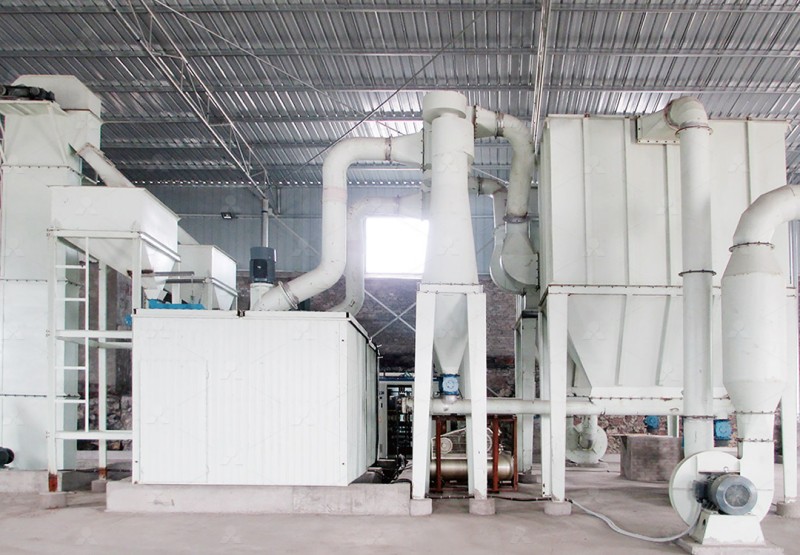
Beyond basic specifications, sophisticated features like automated control systems, advanced dust collection, and precision particle size classification can substantially impact the final price tag. What many operators overlook is the total cost of ownership—energy consumption, wear part replacement frequency, and maintenance requirements often prove more significant than the initial purchase price over the equipment’s lifespan.
Key Considerations When Evaluating Grinding Mill Prices
When assessing grinding mill options, I always advise clients to look beyond the sticker price. The true value lies in operational efficiency, durability, and how well the equipment aligns with your specific production needs. For operations requiring ultra-fine powders between 325-2500 meshes, the MW Ultrafine Grinding Mill represents an excellent balance of performance and cost-effectiveness.
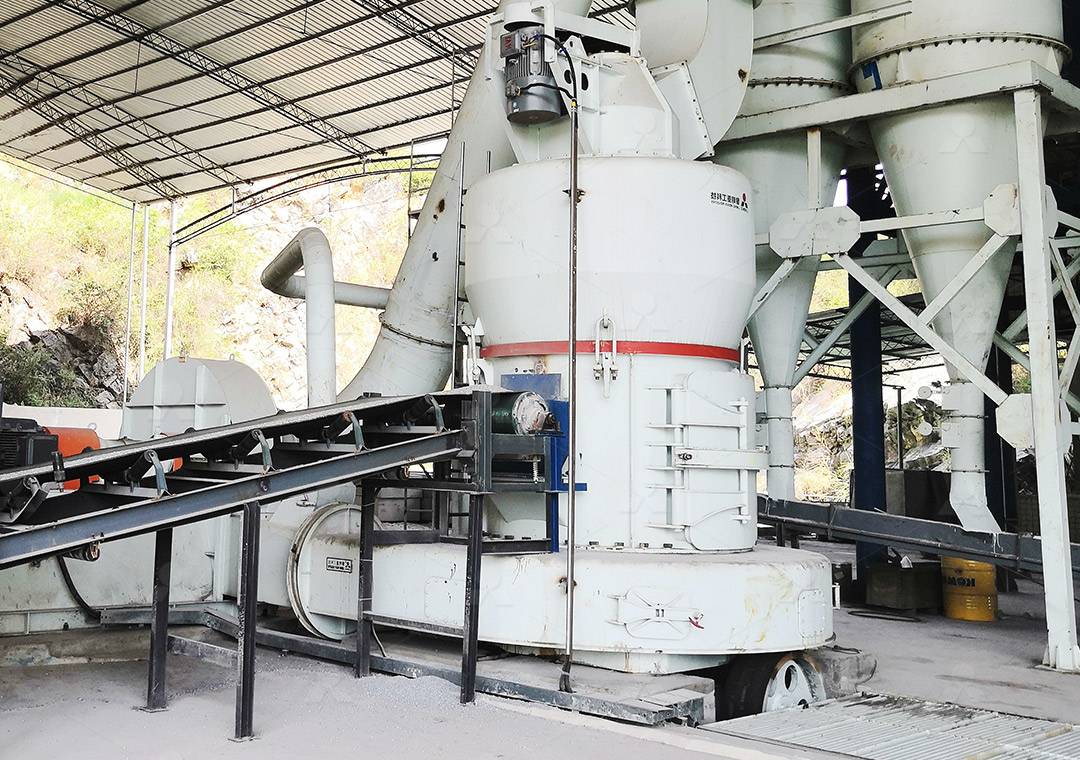
This particular system stands out for its innovative design that eliminates rolling bearings and screws within the grinding chamber—a feature that dramatically reduces maintenance concerns and potential downtime. With an input size capacity of 0-20 mm and throughput ranging from 0.5 to 25 tons per hour, it adapts well to varying production demands across applications from cosmetics to advanced ceramics.
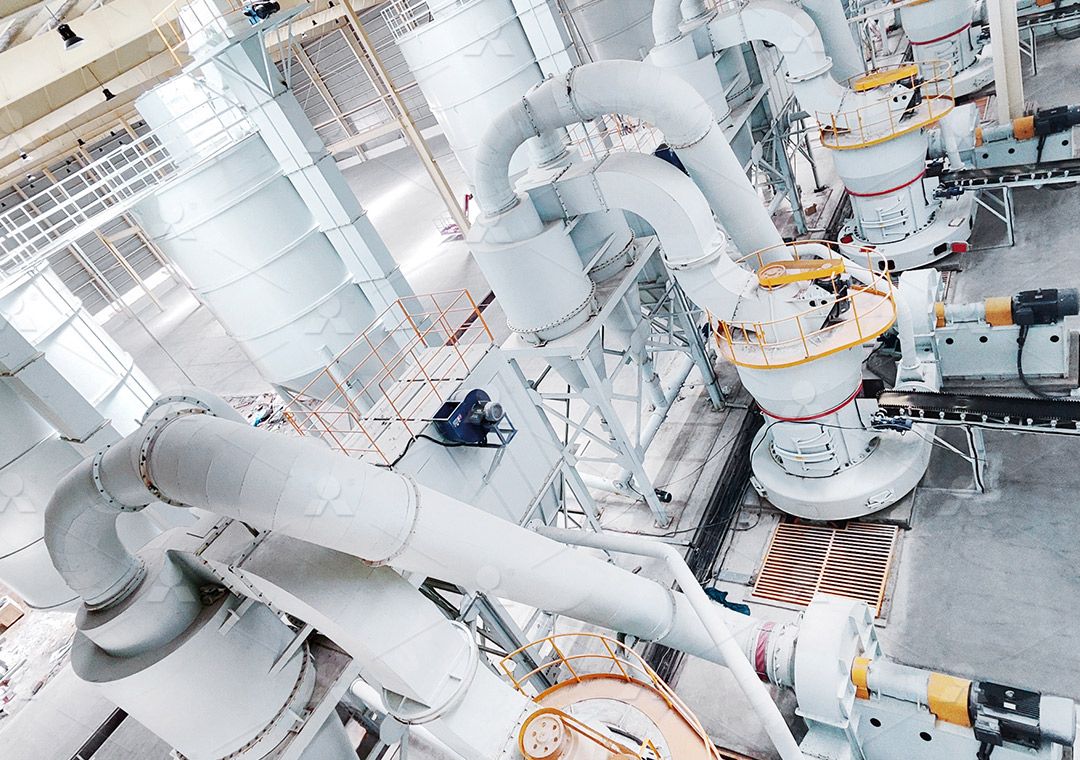
Another noteworthy aspect of modern grinding mills is their environmental performance. Strict emissions regulations in many regions make dust and noise control not just desirable but mandatory. The integration of efficient pulse dust collectors and mufflers, as seen in the MW series, transforms what was once a messy process into a clean, compliant operation.
Matching Equipment to Your Specific Needs
The diversity of available grinding technologies means there’s rarely a one-size-fits-all solution. For high-volume processing of slightly larger feed materials, the LM Vertical Grinding Mill offers impressive capabilities with input sizes up to 70 mm and capacities reaching 340 tph. Its integrated crushing, drying, grinding, and classifying functions make it particularly suitable for cement production and power plant desulfurization applications.
What continues to impress me about current-generation grinding equipment is the precision engineering. Digital manufacturing techniques ensure consistent quality and performance across production runs. For operations where product consistency directly impacts final product quality or selling price, this manufacturing precision justifies any premium in initial cost.
When consulting with clients, I emphasize the importance of considering not just today’s needs but anticipated future requirements. Selecting equipment with some capacity headroom or modular expansion options often proves more economical than needing to replace an entire system within a few years of operation.
Frequently Asked Questions
What is the typical price range for a small stone grinding mill?
Prices vary significantly based on capacity and features, ranging from approximately $15,000 for basic laboratory models to over $100,000 for high-capacity industrial systems with advanced automation and dust collection.
How does the MW Ultrafine Grinding Mill achieve higher energy efficiency?
The MW series incorporates newly designed grinding curves for the roller and ring assembly, enhancing grinding efficiency by 40% compared to jet mills and reducing system energy consumption to just 30% of comparable equipment.
What maintenance considerations should I factor into my budget?
Beyond the initial purchase, budget for regular wear part replacement (typically rollers and rings), filter changes for dust collection systems, and periodic mechanical inspections. Equipment with external lubrication systems like the MW Ultrafine Grinding Mill typically offers lower maintenance costs.
Can the same grinding mill process different types of stone?
Most modern grinding mills can process various materials, but optimal performance requires adjusting parameters like grinding pressure and separator speed. The MW Ultrafine Grinding Mill specifically handles limestone, calcite, dolomite, gypsum, barite, and similar materials effectively.
How important is after-sales support when selecting a grinding mill manufacturer?
Extremely important. Technical support, genuine spare parts availability, and service responsiveness significantly impact operational reliability. Manufacturers with integrated production and sales operations typically provide more consistent support.