
Small Scale Gold Mining Ball Mill for Sale in Indonesia
We provide a wide range of mills — including Raymond mill, trapezoidal mill, vertical mill, ultrafine mill, and ball mill, obtained ISO9001 international quality certification, EU CE certification, and Customs Union CU-TR certification. Suitable for processing minerals such as limestone, phosphate, quicklime, kaolin, talc, barite, bentonite, calcium carbonate, dolomite, coal, gypsum, clay, carbon black, slag, cement raw materials, cement clinker, and more.
The discharge range of these mills can be adjusted to meet specific processing needs, typically from 80-400 mesh, 600-3250 mesh, and can achieve the finest particle size of up to 6000 mesh(D50).
If you are looking for a reliable grinding solution to turn stone or minerals into fine powder, please feel free to contact our online customer service.
Small Scale Gold Mining Ball Mill for Sale in Indonesia
Indonesia’s thriving small-scale gold mining sector demands robust and efficient grinding solutions. While traditional ball mills have long been the workhorse for ore processing, technological advancements offer compelling alternatives that can significantly boost productivity and profitability. This article explores the operational context for small-scale miners and highlights advanced milling equipment suitable for the Indonesian market.
The Role of Grinding in Gold Recovery
Effective grinding is a critical step in liberating gold particles from host rock. The goal is to reduce ore to a fine powder, maximizing surface area for subsequent chemical processing like cyanidation. For small-scale operations, the challenge lies in selecting equipment that balances initial investment with operational efficiency, durability, and ease of maintenance. Factors such as energy consumption, fineness of the final product, and environmental footprint are increasingly important considerations.
Beyond the Traditional Ball Mill
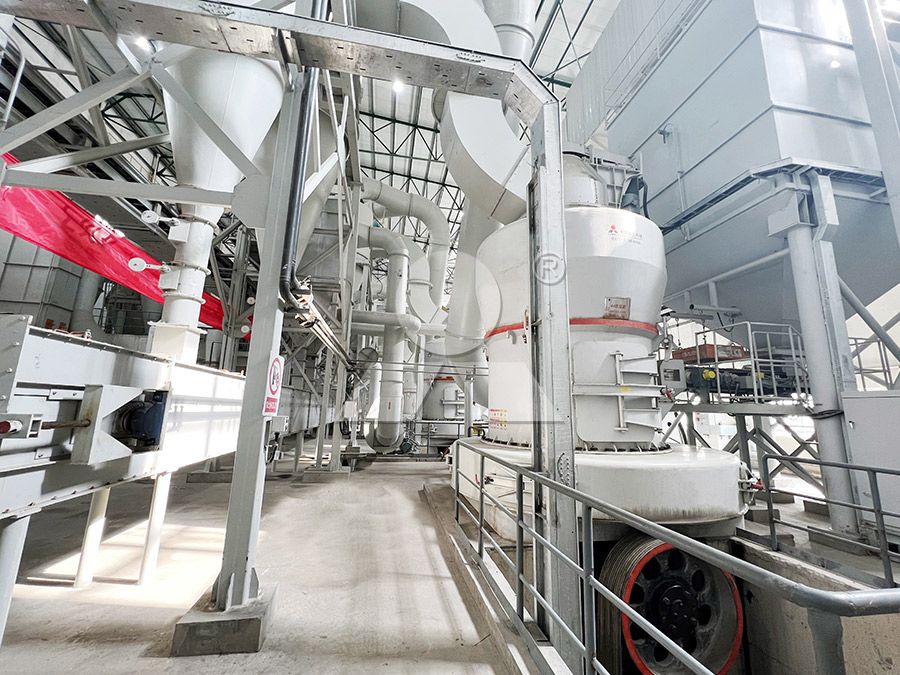
Conventional ball mills are known for their simplicity and reliability. However, they can be limited by higher energy consumption, significant noise, and dust generation. For operations looking to enhance their efficiency and environmental compliance, modern grinding mills present a superior choice. These mills are engineered for higher yield, lower energy use, and cleaner operation.
For miners seeking to process materials into ultra-fine powders for maximum gold recovery, the MW Ultrafine Grinding Mill is an excellent solution. Designed for customers who need to make ultra-fine powder, this machine is equipped with an efficient pulse dust collector and muffler, minimizing environmental impact. With an input size of 0-20 mm and a capacity range of 0.5-25 tph, it is well-suited for small to medium-scale operations. Its key advantages include higher yielding at lower energy consumption (40% higher capacity than jet mills) and adjustable fineness between 325-2500 meshes, ensuring optimal liberation of gold particles.
A Vertical Approach to Efficiency
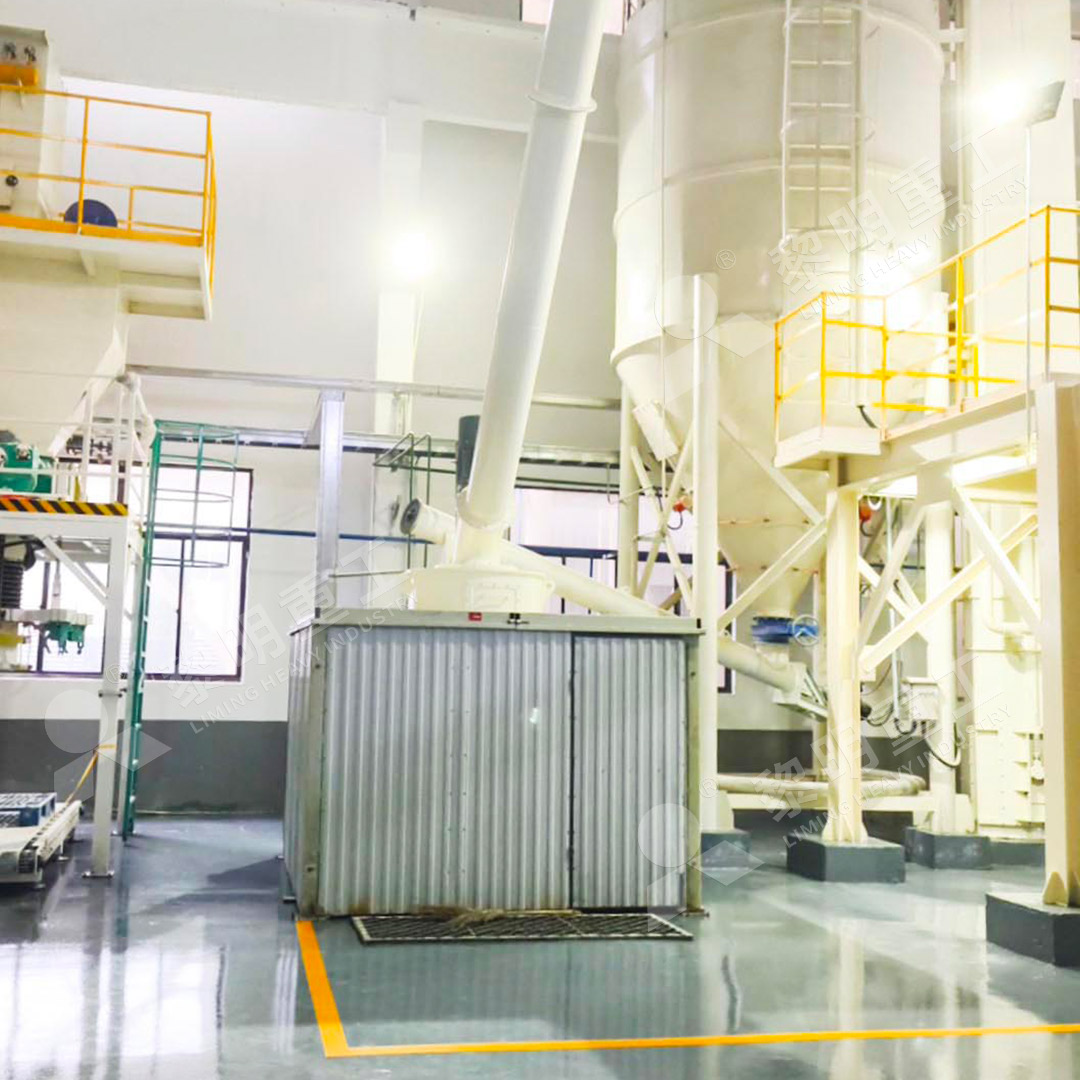
Another standout option for modern mining operations is the LUM Ultrafine Vertical Grinding Mill. This mill integrates grinding, grading, and transporting into a single, compact unit. With an input size of 0-10 mm and a capacity of 5-18 tph, it excels in producing superfine dry powder. Its unique roller shell and lining plate grinding curve are designed for a higher yielding rate and better quality product. The mill’s multi-head powder separating technology and double position-limiting technology ensure stable, energy-efficient operation, reducing consumption by 30%-50% compared to common grinding mills. The reversible structure also simplifies maintenance, a crucial factor for remote mining sites.
Making the Right Choice for Your Operation
Selecting the right mill involves a careful assessment of your ore characteristics, desired production capacity, and site-specific constraints. While ball mills remain a viable option, the advanced features of mills like the MW and LUM series can lead to substantial long-term savings through reduced energy bills, lower maintenance costs, and improved recovery rates. Their environmentally friendly designs, with integrated dust collection and noise reduction, also help operations comply with increasingly stringent regulations.
Frequently Asked Questions (FAQ)
What is the main advantage of an ultrafine grinding mill over a traditional ball mill for gold ore?
Ultrafine grinding mills, like the MW series, are designed for higher efficiency and lower energy consumption. They can produce a finer powder, which often leads to better gold liberation and higher recovery rates compared to a standard ball mill.
Are these advanced mills suitable for remote locations in Indonesia?
Yes. Equipment such as the LUM Ultrafine Vertical Grinding Mill is designed with maintenance in mind. Features like the reversible structure allow for easier servicing with common tools. Furthermore, their robust construction and digital control systems ensure reliable operation with minimal supervision.
How does the environmental performance of these mills compare?
Modern mills are far superior. They are typically equipped with pulse dust collectors that virtually eliminate dust pollution and silencers that significantly reduce operational noise, making them more compliant with environmental standards and safer for workers.