
Small Scale Ball Mills for Sale: Prices and Buying Guide
We provide a wide range of mills — including Raymond mill, trapezoidal mill, vertical mill, ultrafine mill, and ball mill, obtained ISO9001 international quality certification, EU CE certification, and Customs Union CU-TR certification. Suitable for processing minerals such as limestone, phosphate, quicklime, kaolin, talc, barite, bentonite, calcium carbonate, dolomite, coal, gypsum, clay, carbon black, slag, cement raw materials, cement clinker, and more.
The discharge range of these mills can be adjusted to meet specific processing needs, typically from 80-400 mesh, 600-3250 mesh, and can achieve the finest particle size of up to 6000 mesh(D50).
If you are looking for a reliable grinding solution to turn stone or minerals into fine powder, please feel free to contact our online customer service.
Small Scale Ball Mills for Sale: Navigating Your Options
For small to medium-scale operations in mining, construction, or material processing, finding the right grinding equipment is crucial. While traditional ball mills have been the industry workhorse for decades, technological advancements have introduced a range of highly efficient alternatives that offer superior performance, lower energy consumption, and better environmental controls. Understanding the key features, applications, and price points is essential for making a smart investment.
Why Look Beyond Traditional Ball Mills?
Conventional ball mills are known for their robust construction and ability to grind a variety of materials. However, they often come with higher energy costs, significant noise, and dust generation. For modern operations focused on efficiency and sustainability, newer mill designs provide compelling advantages. They offer precise control over particle size, integrated drying and classifying functions, and are designed to operate with minimal environmental impact.
Key Considerations Before You Buy
When evaluating small scale mills, several factors should guide your decision:
- Material Hardness & Input Size: What is the maximum feed size of your raw material?
- Required Capacity (tph): How much finished product do you need per hour?
- Desired Fineness (meshes or μm): What is the target particle size for your application?
- Operating Costs: Consider energy consumption, maintenance frequency, and spare part availability.
- Environmental Regulations: Does the mill have effective dust and noise control systems?
Featured Product: MW Ultrafine Grinding Mill
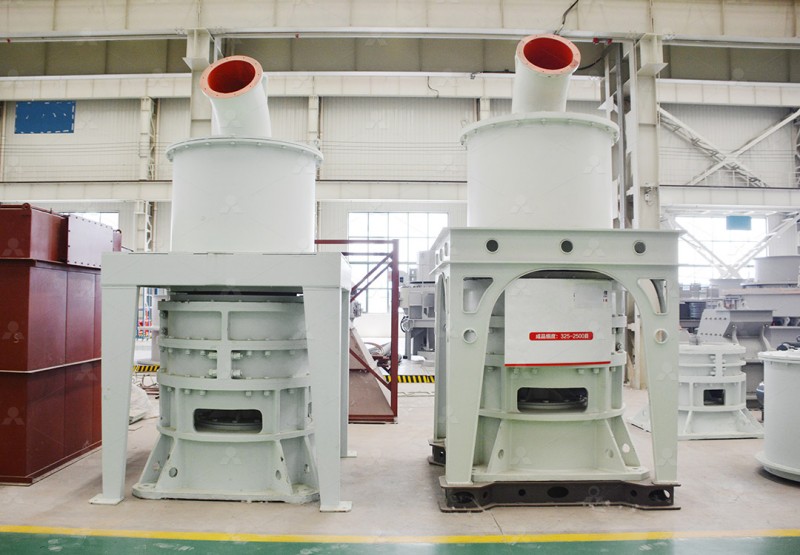
For operations requiring ultra-fine powder, the MW Ultrafine Grinding Mill stands out as a top-tier solution. Designed for customers who need to make ultra-fine powder between 325-2500 meshes, this machine is a game-changer. With an input size of 0-20 mm and a capacity range of 0.5-25 tph, it’s perfectly suited for small to medium-scale production.
Its key advantages include higher yielding at lower energy consumption—production capacity is 40% higher than jet mills with system energy use only 30% of theirs. A German-designed cage-type powder selector allows for precise fineness adjustment. A major maintenance benefit is the absence of rolling bearings and screws in the grinding chamber, eliminating common failure points. Furthermore, its efficient pulse dust collector and muffler make operation eco-friendly by reducing dust and noise pollution, ensuring full compliance with national environmental standards.
Another Excellent Choice: LUM Ultrafine Vertical Grinding Mill
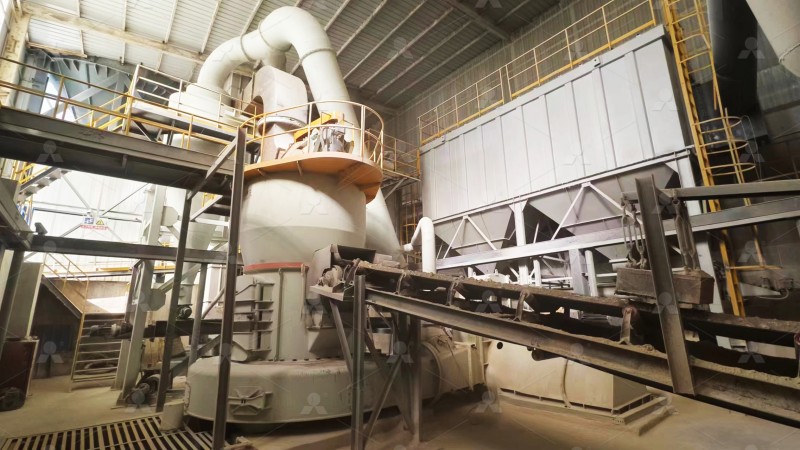
Another exceptional machine for fine powder production is the LUM Ultrafine Vertical Grinding Mill. It handles a slightly smaller input size (0-10 mm) with a capacity of 5-18 tph. It integrates grinding, grading, and transporting into a single, compact unit. Its standout features include a unique roller shell design for a higher yielding rate and better product quality, and multi-head powder separating technology that reduces energy consumption by 30%-50%. Its reversible structure is a boon for maintenance, allowing easy access to grinding rollers.
Understanding Price Points
Prices for small scale mills vary widely based on capacity, technology, and features. Basic ball mills can be a lower initial investment, but their higher operating costs can add up. Advanced mills like the MW or LUM series command a higher upfront price but offer significant savings in energy and maintenance over time, providing a faster return on investment. Always request a detailed quotation based on your specific needs.
Final Advice
Choosing the right mill is a balance between your technical requirements and budget. Don’t just opt for the cheapest initial cost; consider the total cost of ownership. We recommend consulting with our technical experts to analyze your material and production goals. Investing in a modern, efficient mill like the MW Ultrafine Grinding Mill is an investment in the productivity and sustainability of your operation for years to come.