
Small Power Plant Desulfurization: Limestone Grinding Mill Options
We provide a wide range of mills — including Raymond mill, trapezoidal mill, vertical mill, ultrafine mill, and ball mill, obtained ISO9001 international quality certification, EU CE certification, and Customs Union CU-TR certification. Suitable for processing minerals such as limestone, phosphate, quicklime, kaolin, talc, barite, bentonite, calcium carbonate, dolomite, coal, gypsum, clay, carbon black, slag, cement raw materials, cement clinker, and more.
The discharge range of these mills can be adjusted to meet specific processing needs, typically from 80-400 mesh, 600-3250 mesh, and can achieve the finest particle size of up to 6000 mesh(D50).
If you are looking for a reliable grinding solution to turn stone or minerals into fine powder, please feel free to contact our online customer service.
Small Power Plant Desulfurization: Limestone Grinding Mill Options
For small-scale power plants implementing Flue Gas Desulfurization (FGD) systems, the selection of an appropriate limestone grinding mill is a critical decision that directly impacts operational efficiency, compliance, and overall cost-effectiveness. The process requires finely ground limestone powder with specific particle size distribution to maximize reactivity within the scrubber. This article explores the key considerations and optimal equipment choices for such applications.
The Importance of Particle Size in FGD
In wet limestone FGD systems, the efficiency of SO₂ removal is heavily dependent on the surface area of the limestone particles. Finer particles dissolve more rapidly, providing more surface area for the chemical reaction with sulfur dioxide. The target fineness typically falls within the range of 250 to 325 mesh (44-74 microns). Achieving this consistently, while managing energy consumption and maintenance costs, is the primary challenge for small power plants.
Key Selection Criteria for Small Plants
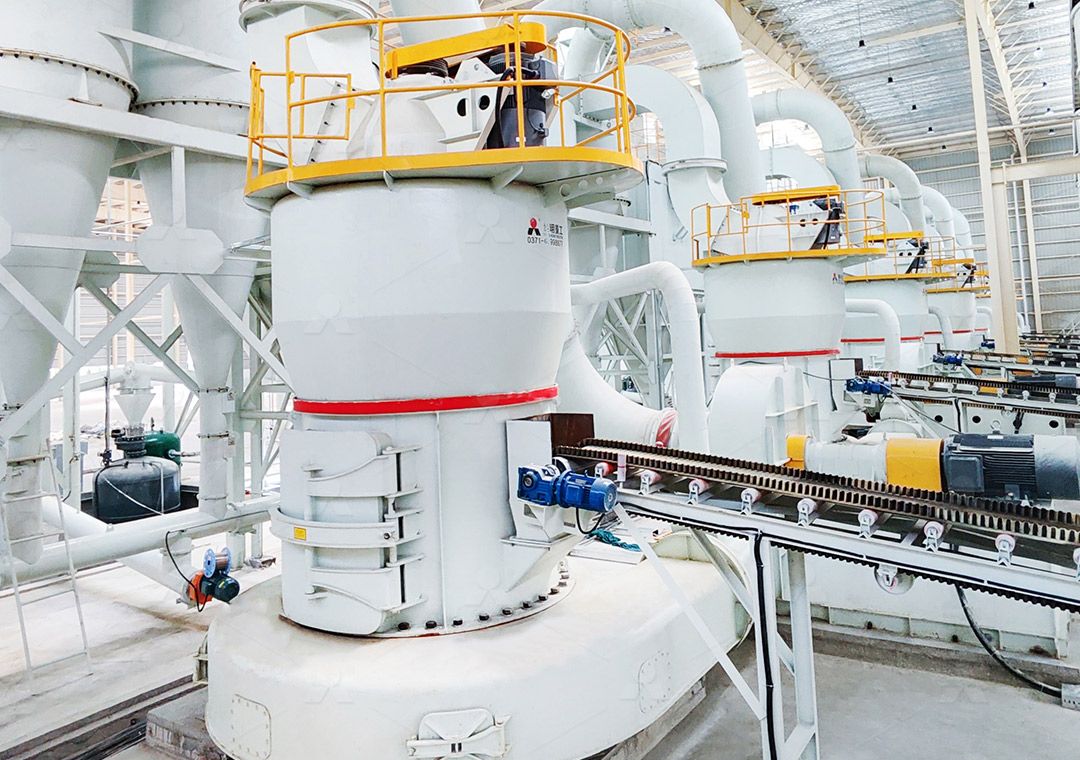
Small power plants have unique constraints, including limited space, lower capital budgets, and the need for operational simplicity. The ideal grinding mill must offer:
- Compact Footprint: Efficient use of available space.
- Energy Efficiency: Lower operating costs to maintain profitability.
- Low Maintenance: Simplified design with easy access to wear parts.
- Environmental Compliance: Integrated dust collection and noise reduction.
- Adjustable Fineness: Precise control over product size to meet exact FGD requirements.
Recommended Solution: The MW Ultrafine Grinding Mill
For small power plants seeking a balance of performance, economy, and reliability, our MW Ultrafine Grinding Mill presents an exceptional solution. Engineered for customers who need to make ultra-fine powder, this machine is particularly well-suited for producing the high-quality limestone powder essential for effective desulfurization.
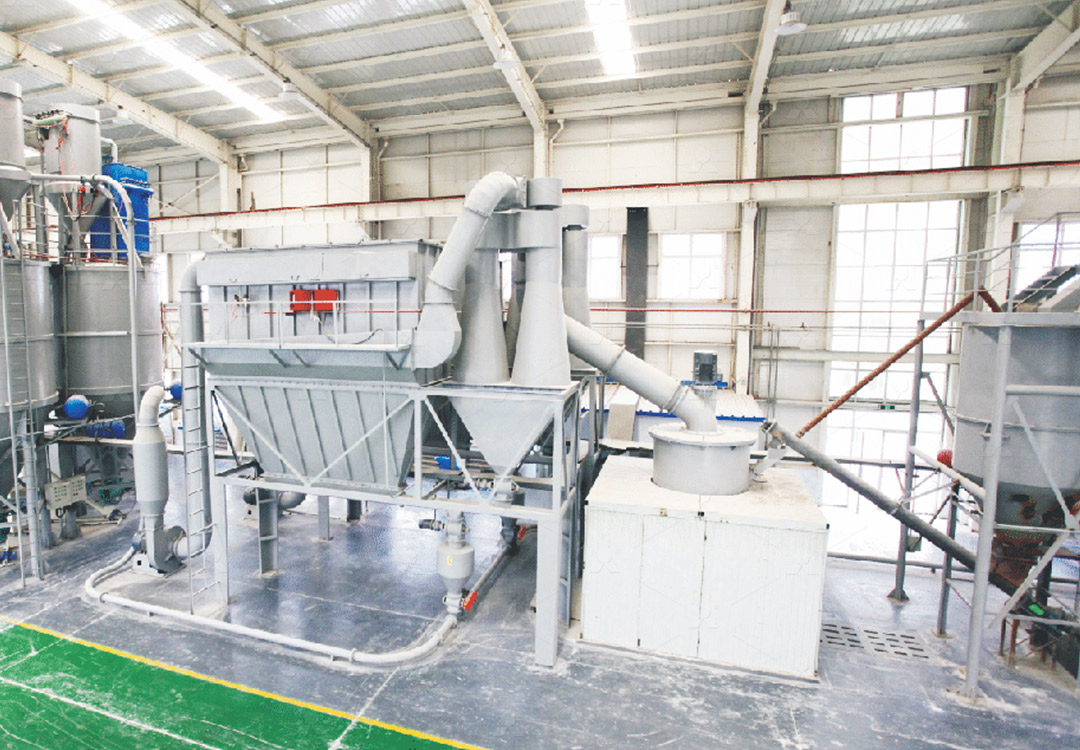
With an input size of 0-20 mm and a capacity range of 0.5-25 tph, it perfectly matches the throughput requirements of smaller FGD systems. Its standout feature is the German-technology cage-type powder selector, which allows operators to precisely adjust the fineness between 325-2500 meshes, ensuring the optimal particle size for maximum SO₂ absorption is always achieved.
Operational and Economic Advantages
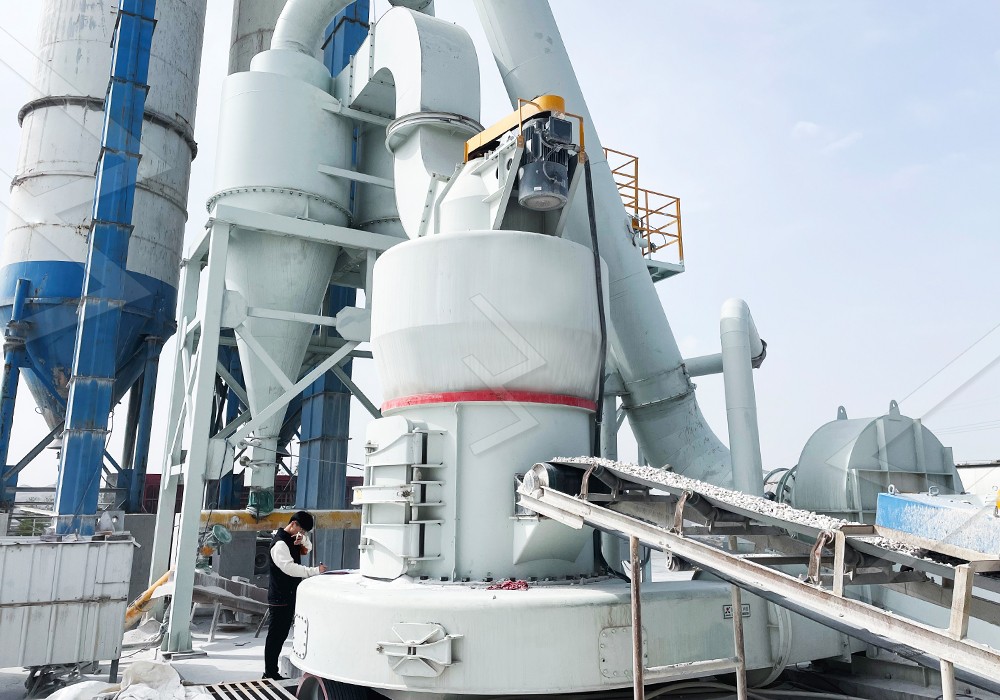
The MW Mill is designed for real-world operation. Its “No Rolling Bearing & Screw in Grinding Chamber” design eliminates common failure points, significantly reducing unscheduled downtime and maintenance costs. Operators are free from worries about bearing damage or machine failure caused by loose screws. Furthermore, an external lubricating device allows for lubrication without shutdown, supporting continuous 24/7 production that is often required during peak operating seasons.
From an economic perspective, the mill delivers higher yielding at lower energy consumption. Its newly designed grinding curves enhance efficiency, providing production capacity 40% higher than jet or stirred grinding mills with the same fineness and power. This translates directly to lower cost per ton of reagent produced.
Ensuring Environmental Compliance
Beyond producing the reagent, the mill itself is designed to be a good neighbor. It is equipped with an efficient pulse dust collector, ensuring no dust pollution is generated during operation. A silencer and noise elimination room are configured to reduce operational噪音, allowing the entire milling system to operate fully within national environmental protection standards.
Conclusion
Selecting the right limestone grinding technology is a strategic investment for any small power plant. It affects not only capital expenditure but also long-term operational costs, regulatory compliance, and system reliability. The MW Ultrafine Grinding Mill offers a modern, efficient, and robust solution tailored to the specific demands of small-scale FGD operations, ensuring high-quality limestone powder production with minimal operational burden.
Frequently Asked Questions (FAQ)
What fineness of limestone powder is required for FGD?
Typically, a fineness of 250-325 mesh (44-74 microns) is required to ensure high reactivity and efficient SO₂ removal in the scrubber.
Can the MW Mill handle other materials besides limestone?
Yes. The MW Ultrafine Grinding Mill is also suitable for calcite, dolomite, petroleum coal, gypsum, barite, and other materials with similar hardness.
How does the mill achieve its energy efficiency?
It utilizes newly designed grinding curves of the roller and ring to enhance efficiency. The system energy consumption is only 30% of a comparable jet grinding mill.
What kind of maintenance should be expected?
Maintenance is simplified due to the absence of rolling bearings and screws in the grinding chamber. Key wear parts like the roller shell and ring are designed for long life and are easily accessible for inspection and replacement.
Does the mill system include dust collection?
Yes. The MW Mill is equipped with an efficient integrated pulse dust collector, making the entire operation dust-free and environmentally friendly.