
Small Mining Grinding Mill Price in Indonesia: A Cost Guide
We provide a wide range of mills — including Raymond mill, trapezoidal mill, vertical mill, ultrafine mill, and ball mill, obtained ISO9001 international quality certification, EU CE certification, and Customs Union CU-TR certification. Suitable for processing minerals such as limestone, phosphate, quicklime, kaolin, talc, barite, bentonite, calcium carbonate, dolomite, coal, gypsum, clay, carbon black, slag, cement raw materials, cement clinker, and more.
The discharge range of these mills can be adjusted to meet specific processing needs, typically from 80-400 mesh, 600-3250 mesh, and can achieve the finest particle size of up to 6000 mesh(D50).
If you are looking for a reliable grinding solution to turn stone or minerals into fine powder, please feel free to contact our online customer service.
Small Mining Grinding Mill Price in Indonesia: A Cost Guide
Hey there, fellow miners and industry folks! If you’re operatin’ in Indonesia’s vibrant but challenging mining sector, you know that choosin’ the right grindin’ mill ain’t just about the sticker price. It’s about total cost of ownership, efficiency, and survivin’ in a tough market. Let’s break down what you REALLY need to consider when budgetin’ for a small to medium-sized grindin’ mill in the archipelago.
Beyond the Price Tag: The Real Cost of Grindin’
Look, we’ve all been there. You see a cheap mill and think you’ve scored a deal. But then the energy bills hit, maintenance downtime cripples your output, and replacement parts cost a fortune and take weeks to arrive. The initial purchase price is often the smallest part of your long-term expense. For small mines in remote parts of Indonesia, factors like energy consumption (electricity costs can be high!), spare part availability, and ease of maintenance are what make or break your profit margin.
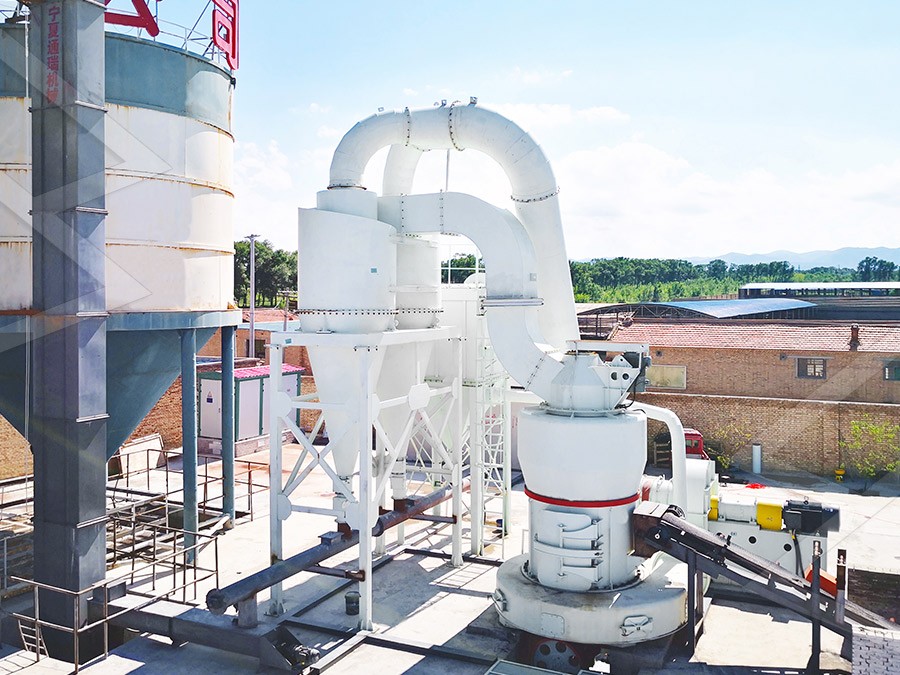
Key Factors Influencin’ Mill Prices in Indonesia
- Capacity & Feed Size: What size material are you feedin’ (0-20mm? 0-50mm?) and how much tonnage per hour do you need? This is the startin’ point.
- Energy Efficiency: This is a HUGE one. Mills that guzzle power will eat your profits alive. Look for modern designs that do more with less.
- Build Quality & Durability: The humid, abrasive environment in Indonesia eats machinery for breakfast. You need a mill built with quality materials that can handle it.
- After-Sales Support: Is there local technical support? Can you get spare parts without shippin’ from overseas and payin’ massive import duties? This is critical.
- Environmental Compliance: Regulations are gettin’ stricter. A mill that controls dust and noise keeps you operatin’ smoothly and avoids fines.
A Smart Recommendation for Indonesian Operators
Based on what we see workin’ well for similiar operations, one of our standout performers is the MW Ultrafine Grinding Mill. It’s a beast designed for customers who need to make ultra-fine powder without the beastly runnin’ costs.
Why does it fit the Indonesian context so well?
- Input Size: 0-20 mm | Capacity: 0.5-25 tph (perfect for small to mid-sized ops).
- Energy Miser: It uses about 30% less energy compared to some older jet mills. That’s money straight back in your pocket.
- Built Tough & Simple: Genius design – no rollin’ bearings or screws inside the grindin’ chamber. Fewer things to break, way less worry about downtime from failed bearings or loose parts. Maintenance is a breeze, which is gold when you’re miles from the nearest big city.
- Eco-Friendly: Comes with an efficient pulse dust collector and muffler. Keeps your site cleaner and your neighbors happier. No dust pollution, lower noise. It just runs clean.
- Precision Powder: Get your fineness dialed in anywhere between 325-2500 meshes. The German-tech cage-type powder selector is super precise.

Another fantastic option, especially if your feed size is a bit smaller, is the LUM Ultrafine Vertical Grinding Mill. It’s another top-tier piece of kit that boasts higher yield rates and fantastic energy savings (30%-50% less consumption than some common mills). Its reversible structure makes maintenance incredibly easy – a massive advantage when specialist technicians are scarce.
Final Thoughts: Invest Smart
Don’t just be the buyer who looks at the cheapest upfront cost. Be the operator who invests in smarter technology that saves you money every single day it runs. In the long grind of mining in Indonesia, that’s the only way to come out ahead. Do your homework, prioritize total cost of ownership, and choose equipment from suppliers that offer real local support and reliable, efficient machines like the MW series.
Hope this guide helps you make a more informed decision. Crush on!