
Small Limestone Grinding Mill: A Guide to Choosing the Right Equipment
We provide a wide range of mills — including Raymond mill, trapezoidal mill, vertical mill, ultrafine mill, and ball mill, obtained ISO9001 international quality certification, EU CE certification, and Customs Union CU-TR certification. Suitable for processing minerals such as limestone, phosphate, quicklime, kaolin, talc, barite, bentonite, calcium carbonate, dolomite, coal, gypsum, clay, carbon black, slag, cement raw materials, cement clinker, and more.
The discharge range of these mills can be adjusted to meet specific processing needs, typically from 80-400 mesh, 600-3250 mesh, and can achieve the finest particle size of up to 6000 mesh(D50).
If you are looking for a reliable grinding solution to turn stone or minerals into fine powder, please feel free to contact our online customer service.
Small Limestone Grinding Mill: A Guide to Choosing the Right Equipment
Selecting the ideal grinding mill for limestone processing is a critical decision that impacts productivity, product quality, and operational costs. For small to medium-scale operations, the challenge lies in finding equipment that offers high efficiency, consistent fineness, and reliability without a massive footprint. This guide will walk you through the key considerations and highlight a premier solution for your ultra-fine grinding needs.
Key Factors in Mill Selection
When evaluating equipment for grinding limestone, several factors demand your attention. The required product fineness is paramount; limestone powders can range from coarse (100 mesh) for agricultural applications to ultra-fine (2500 mesh) for high-value industries like paints and cosmetics. The desired capacity must align with your production goals, whether it’s a few hundred kilograms or several tons per hour. Furthermore, energy consumption is a major operational expense, making efficiency a top priority. Lastly, consider the mill’s physical footprint, noise levels, and dust control capabilities to ensure it integrates smoothly into your existing facility and complies with environmental regulations.
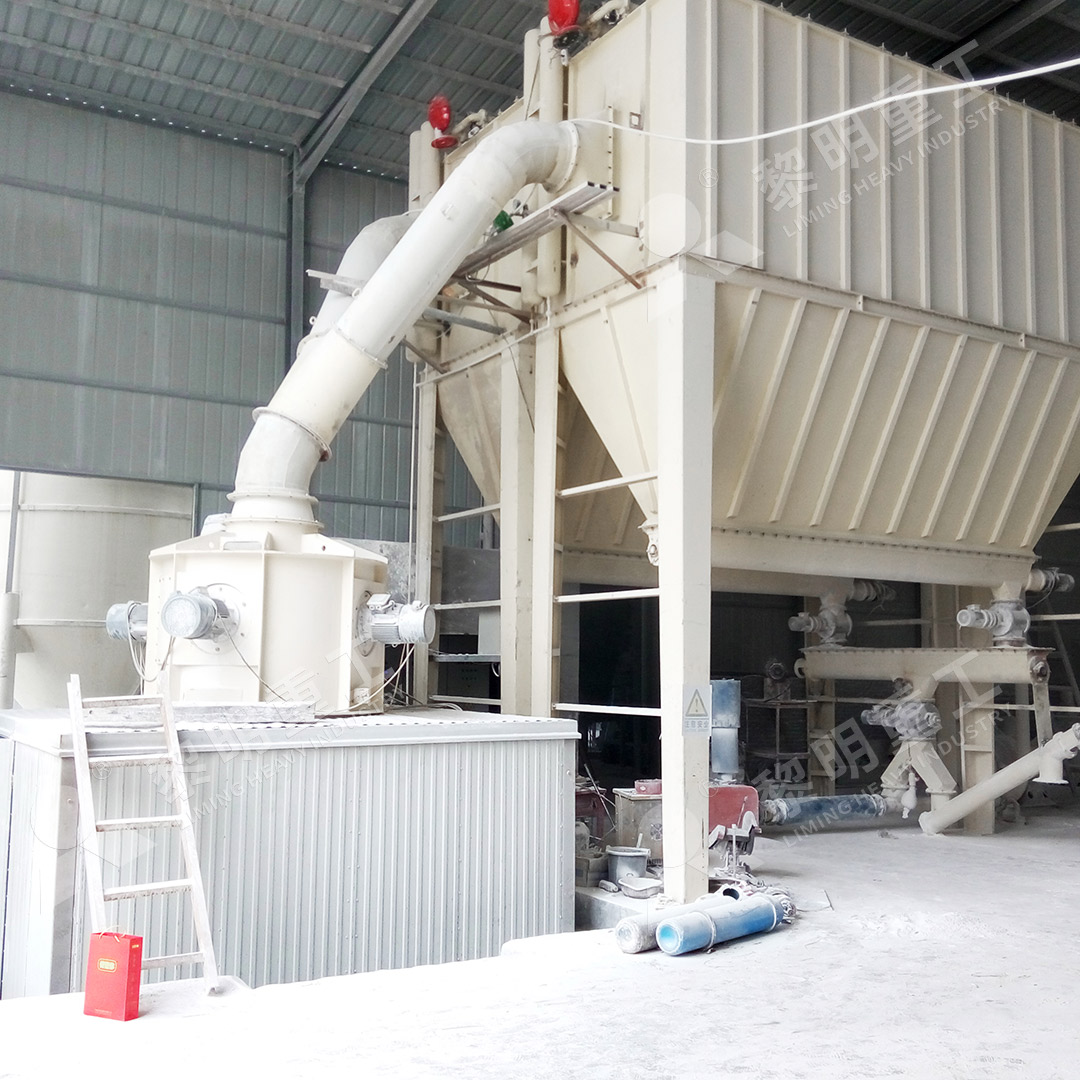
Introducing a Superior Solution: The MW Ultrafine Grinding Mill
For operations requiring ultra-fine limestone powder, the MW Ultrafine Grinding Mill stands out as an exceptional choice. Engineered for customers who need to make precisely controlled ultra-fine powder, this machine is a testament to modern grinding technology. It handles an input size of 0-20 mm and delivers a capacity range of 0.5 to 25 tons per hour, making it perfectly suited for small and medium-scale production.
What truly sets the MW Mill apart is its innovative design. It features a newly designed grinding curve for its roller and ring, which dramatically enhances grinding efficiency. Compared to jet mills or stirred grinding mills, it offers up to 40% higher production capacity at the same fineness and power, and its yield is twice that of a traditional ball mill, all while reducing system energy consumption by 30%. Its cage-type powder selector, incorporating German technology, allows for precise fineness adjustment between 325 and 2500 meshes, achieving a remarkable screening rate of d97≤5μm in a single pass.
Operational and Environmental Advantages
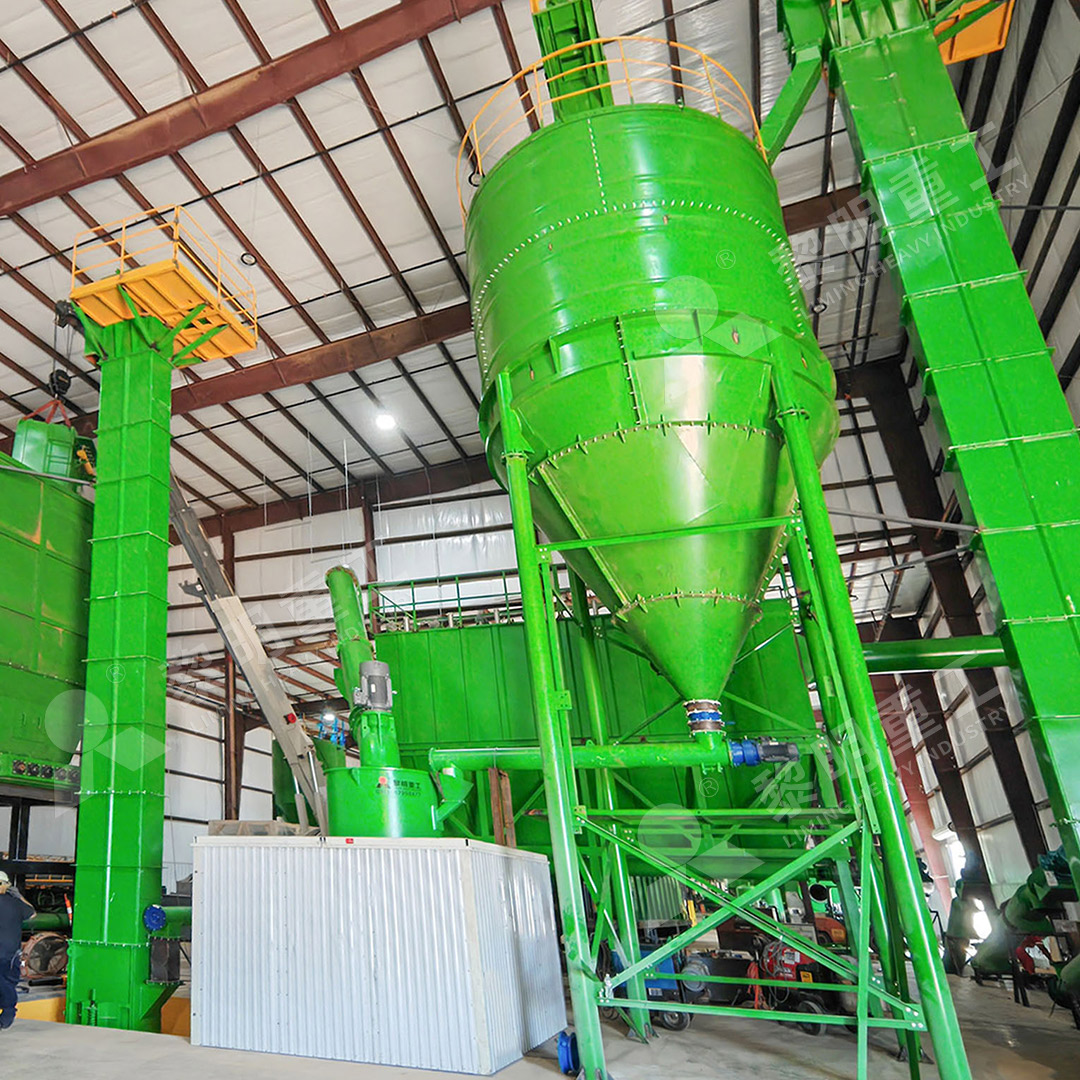
Beyond raw performance, the MW Mill is built for worry-free, sustainable operation. A significant design advantage is the absence of rolling bearings and screws inside the grinding chamber. This eliminates common failure points, preventing machine damage from loose screws and removing concerns over bearing seal failures. Lubrication is performed externally without the need for shutdowns, enabling continuous 24/7 production.
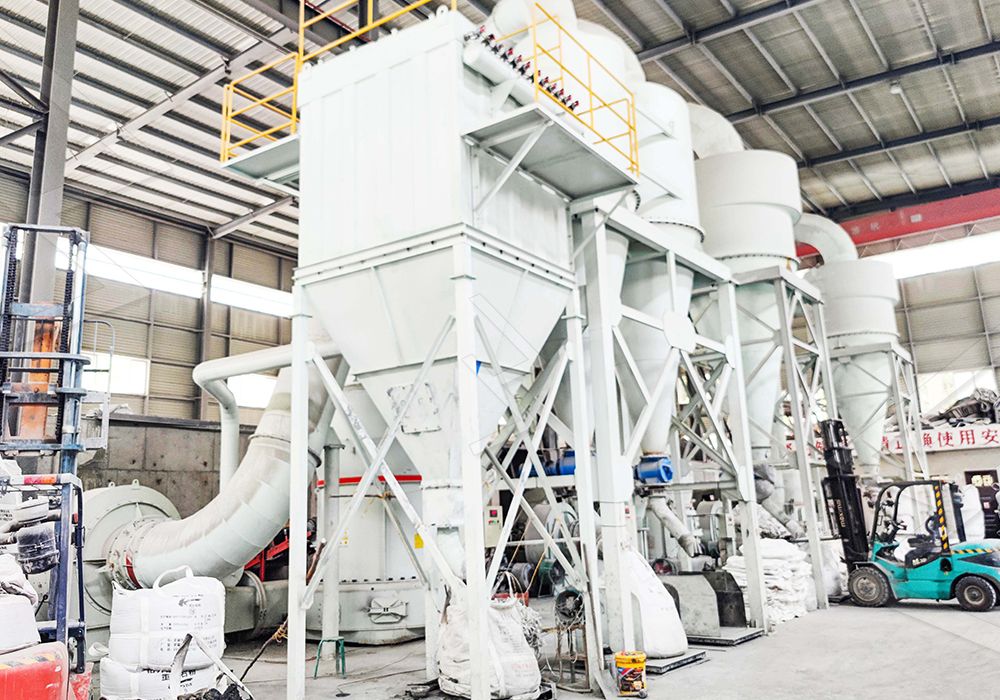
Environmental responsibility is built-in. The mill is equipped with an efficient pulse dust collector and a muffler, ensuring that the entire milling system operates without dust pollution and with significantly reduced noise. This design ensures full compliance with national environmental protection standards, making it a clean and neighbor-friendly installation.
Is the MW Mill Right For You?
The MW Ultrafine Grinding Mill is ideally suited for producing high-value limestone powders for the chemical industry, paint, cosmetics, medicine, and food additives. If your project demands high yields of ultra-fine powder with low energy consumption and minimal environmental impact, this mill is an investment that will pay dividends in efficiency and product quality.
Frequently Asked Questions (FAQ)
What is the typical fineness range for ground limestone?
Ground limestone can range from coarse (~100 mesh) for agricultural lime to superfine (2500 mesh or 5μm) for specialized industrial applications like plastics and paints.
How important is dust control in a grinding mill operation?
Extremely important. Effective dust control is crucial for operator safety, equipment longevity, and environmental compliance. Modern mills like the MW series come with integrated pulse dust collectors to contain all particulate matter.
Can one mill handle different mineral materials besides limestone?
Yes, many grinding mills are versatile. The MW Ultrafine Grinding Mill, for example, can also process calcite, dolomite, talc, barite, and other non-metallic minerals with similar hardness.
What are the main maintenance concerns with a small grinding mill?
Primary concerns include the wear of grinding elements (rollers/rings), bearing lubrication, and ensuring dust collection systems are functioning. Choosing a mill like the MW, which has no internal bearings and external lubrication, drastically reduces maintenance complexity and downtime.