
Small Grinding Mills for Plant Roots: A Guide to Processing Herbs & Botanicals
We provide a wide range of mills — including Raymond mill, trapezoidal mill, vertical mill, ultrafine mill, and ball mill, obtained ISO9001 international quality certification, EU CE certification, and Customs Union CU-TR certification. Suitable for processing minerals such as limestone, phosphate, quicklime, kaolin, talc, barite, bentonite, calcium carbonate, dolomite, coal, gypsum, clay, carbon black, slag, cement raw materials, cement clinker, and more.
The discharge range of these mills can be adjusted to meet specific processing needs, typically from 80-400 mesh, 600-3250 mesh, and can achieve the finest particle size of up to 6000 mesh(D50).
If you are looking for a reliable grinding solution to turn stone or minerals into fine powder, please feel free to contact our online customer service.
Small Grinding Mills for Plant Roots: A Guide to Processing Herbs & Botanicals
When it comes to processing delicate herbs, roots, and botanicals, selecting the right grinding equipment is crucial. Unlike hard minerals or coarse aggregates, plant materials require a gentle yet precise milling approach to preserve their active compounds, aroma, and nutritional value. Traditional hammer mills or high-impact crushers can generate excessive heat, degrade sensitive constituents, and introduce contamination—issues that are unacceptable in herbal product manufacturing.
For producers focusing on ultra-fine powders for teas, supplements, cosmetics, or tinctures, investing in a specialized grinding mill isn’t just an option; it’s a necessity. The ideal mill should offer adjustable fineness, low heat generation, minimal noise, and dust-free operation to meet both quality standards and environmental regulations.
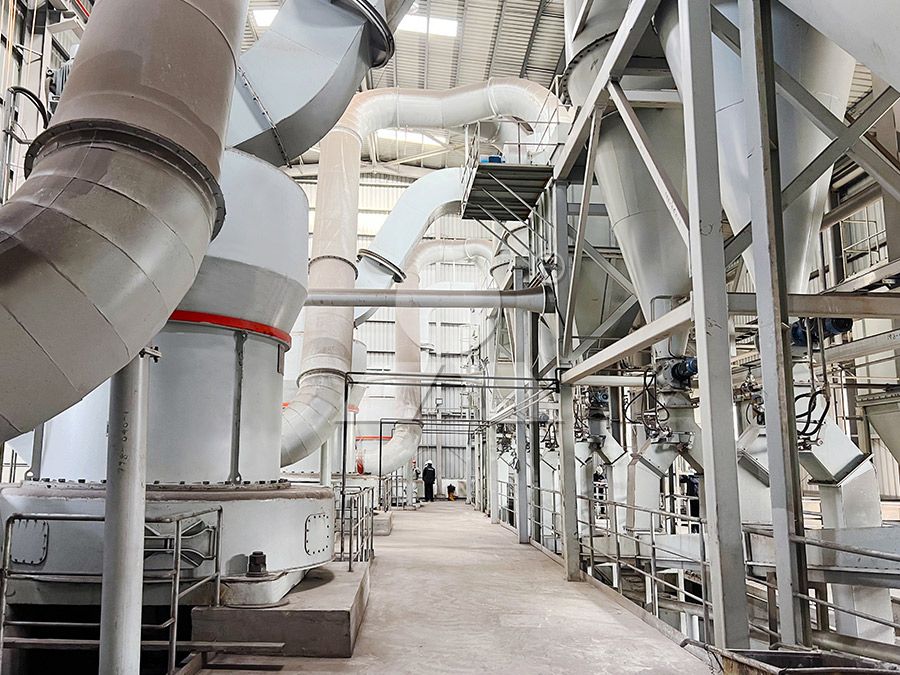
Why Ultrafine Grinding Matters for Botanicals
Ultrafine grinding enhances the bioavailability of plant-based compounds by increasing surface area, allowing for better extraction and absorption. Whether you’re processing valerian root, turmeric, ginger, or echinacea, achieving a consistent particle size between 325 to 2500 meshes can make a significant difference in product efficacy. However, not all mills are capable of such precision without overheating or damaging the material.
This is where advanced grinding technologies shine. For instance, the MW Ultrafine Grinding Mill is specifically engineered for processing sensitive materials like herbs and roots. With an input size of 0-20 mm and a capacity ranging from 0.5 to 25 tph, it’s versatile enough for both small-batch artisanal producers and larger operations. Its cage-type powder selector, based on German technology, allows precise fineness adjustment up to 2500 meshes, ensuring that even the most delicate botanicals are processed without degradation.
Key Features to Look For
When evaluating grinding mills for herbal applications, consider the following:
- Low Heat Generation: Avoids destroying heat-sensitive compounds.
- Dust Control: Pulse dust collectors and sealed systems prevent cross-contamination and protect operators.
- Energy Efficiency: Higher yield with lower energy consumption reduces operational costs.
- Ease of Cleaning: Critical for avoiding residue buildup between batches.
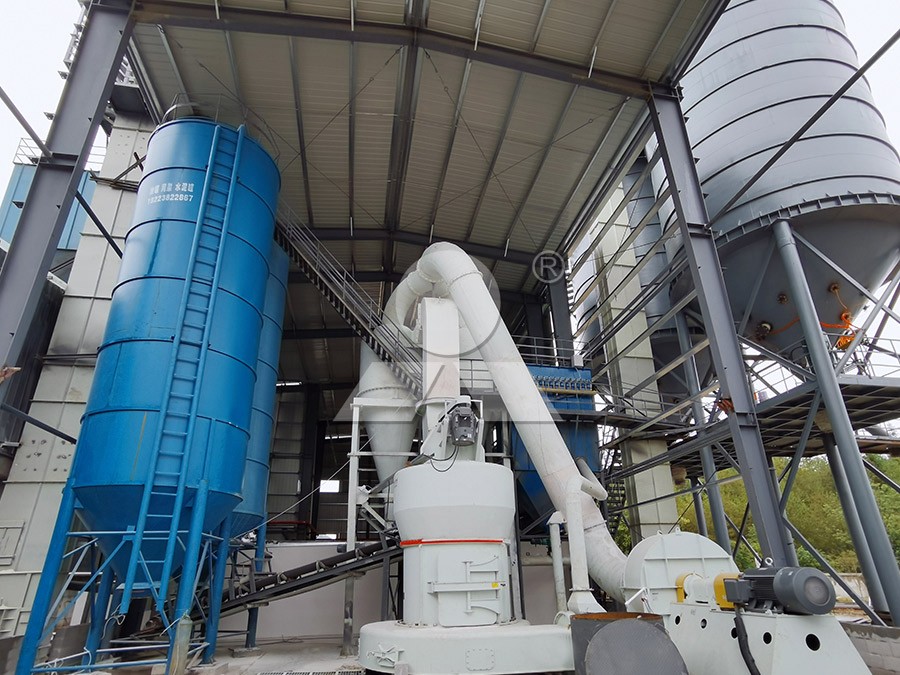
Another excellent option is the LUM Ultrafine Vertical Grinding Mill, which integrates grinding, classifying, and transporting in one system. With an input size of 0-10 mm and capacity of 5-18 tph, it’s ideal for finer root materials. Its unique roller shell design generates a stable material layer, enabling high-rate finished product output in a single pass. The PLC control system and multi-head powder separating technology allow exact control over grinding parameters, ensuring consistency across batches.
Practical Tips for Processing Herbs & Roots
Before grinding, ensure plant materials are properly dried to a moisture content below 10% to prevent clogging and ensure smooth operation. Pre-crushing larger roots may be necessary to fit the mill’s input size requirements. Always start with a coarser setting and gradually adjust to finer levels to avoid overheating. Regular maintenance of grinding rollers and rings will prolong equipment life and maintain powder quality.

Whether you’re producing superfood blends, medicinal powders, or cosmetic ingredients, choosing the right mill can elevate your product quality. The MW and LUM series grinding mills offer the precision, efficiency, and cleanliness required for modern botanical processing. For more details on these machines, visit our product pages or contact our technical team for a customized solution.
Remember, in the world of herbs and botanicals, finer isn’t just better—it’s everything.