
Small Grinding Mills for Plant Roots: A Guide to Processing Herbs & Botanicals
We provide a wide range of mills — including Raymond mill, trapezoidal mill, vertical mill, ultrafine mill, and ball mill, obtained ISO9001 international quality certification, EU CE certification, and Customs Union CU-TR certification. Suitable for processing minerals such as limestone, phosphate, quicklime, kaolin, talc, barite, bentonite, calcium carbonate, dolomite, coal, gypsum, clay, carbon black, slag, cement raw materials, cement clinker, and more.
The discharge range of these mills can be adjusted to meet specific processing needs, typically from 80-400 mesh, 600-3250 mesh, and can achieve the finest particle size of up to 6000 mesh(D50).
If you are looking for a reliable grinding solution to turn stone or minerals into fine powder, please feel free to contact our online customer service.
Small Grinding Mills for Plant Roots: A Guide to Processing Herbs & Botanicals
Hey there, fellow herbalists and botanical enthusiasts! If you’re into processing plant roots, herbs, and other botanicals, you know that getting the right grind is crucial. Whether you’re making teas, tinctures, supplements, or cosmetics, the fineness of your powder can make or break your product. Let’s dive into some tips and tricks for small-scale grinding, and I’ll throw in a couple of product recommendations that might just change your game.
Why Grinding Matters for Botanicals
When it comes to herbs and roots, consistency is key. A uniform grind ensures even extraction of active compounds, whether you’re using water, alcohol, or oils. For roots like ginger, turmeric, or valerian, a coarse grind might leave you with chunky bits that don’t dissolve well, while an ultrafine powder can maximize surface area and potency. Plus, finer powders mix better into creams and food products, giving a smoother texture.
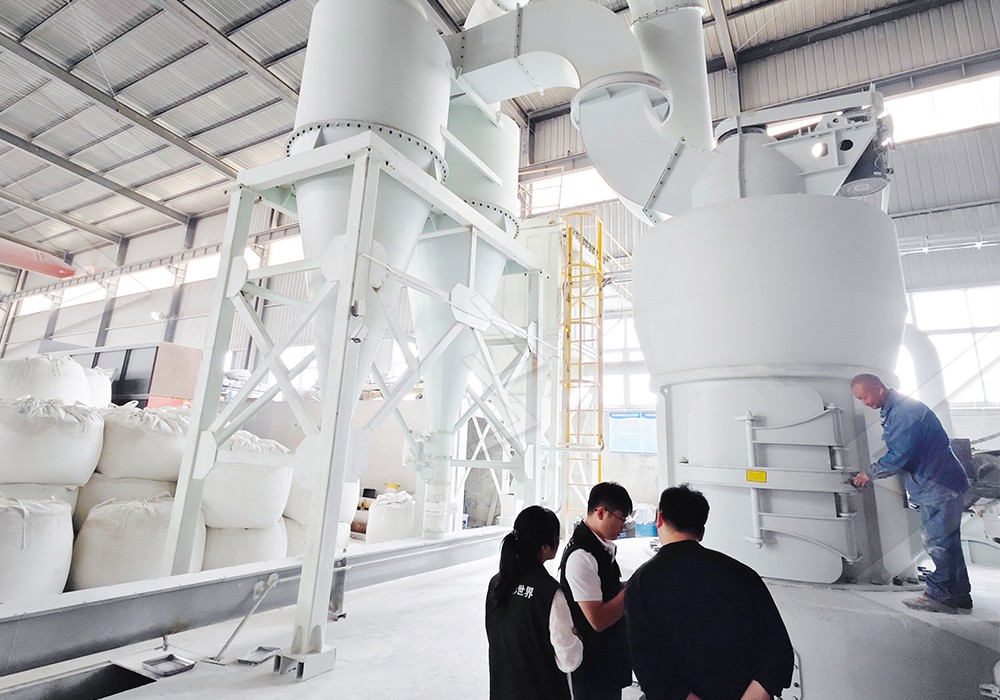
But not all mills are created equal. Traditional methods like mortar and pestle are great for small batches but can be labor-intensive. For larger volumes, you need something efficient and precise. That’s where modern grinding mills come in—they offer control over fineness, reduce waste, and save time.
Choosing the Right Mill for Your Needs
For small to medium operations, you’ll want a mill that handles delicate botanicals without overheating them (which can degrade sensitive compounds). Look for features like adjustable fineness, low noise, and minimal dust. Energy efficiency is also a plus if you’re running longer batches.
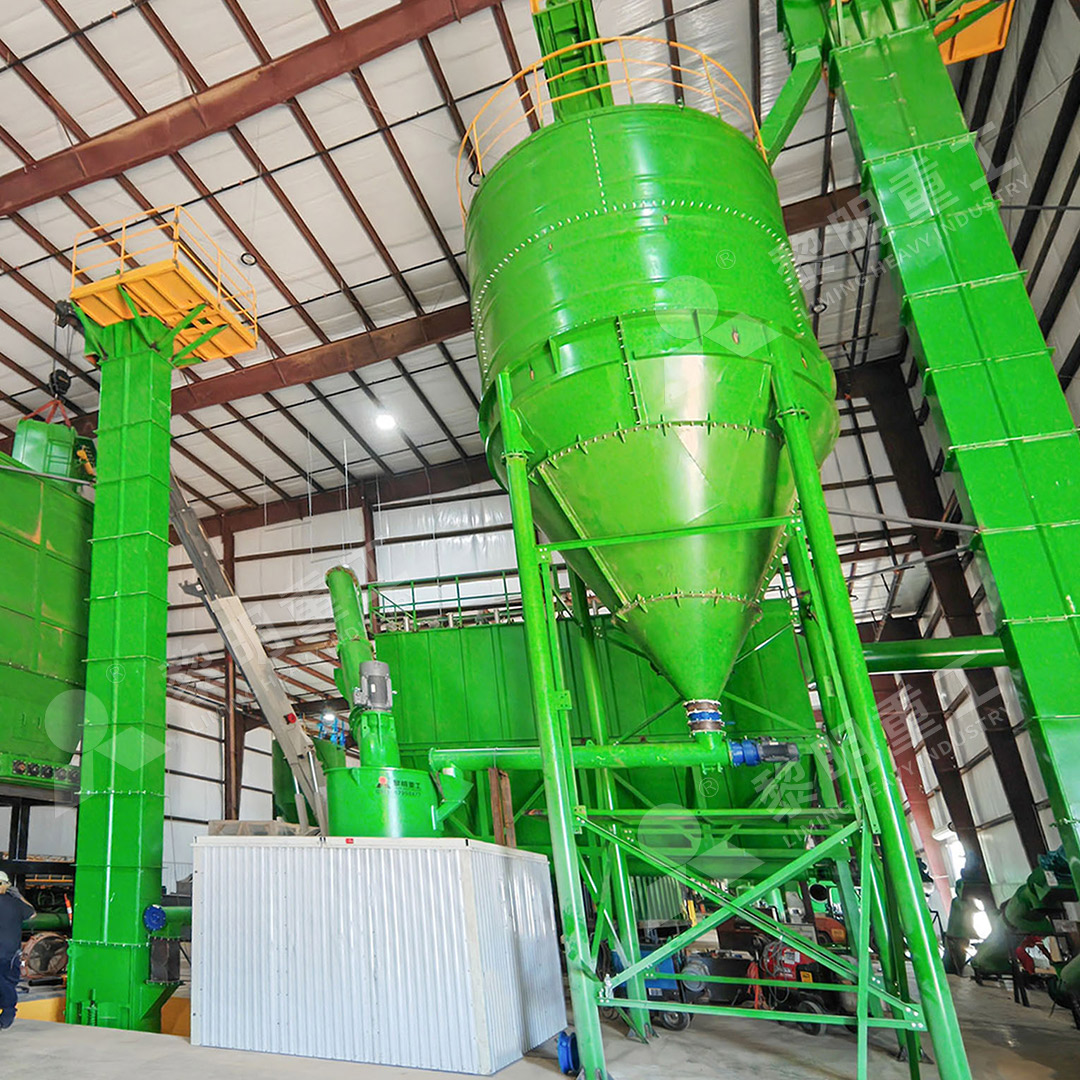
One standout option is our MW Ultrafine Grinding Mill. It’s perfect for processing herbs and roots because it produces powders between 325-2500 meshes—that’s super fine! With an input size of 0-20 mm and capacity up to 25 tph, it’s versatile for everything from hard roots to leafy botanicals. The best part? It’s designed with an efficient pulse dust collector and muffler, so it keeps your workspace clean and quiet. No more dusty mess or ear-splitting noise! Plus, it uses 30% less energy than jet mills, making it eco-friendly and cost-effective.
Tips for Processing Plant Roots
Before grinding, always dry your roots thoroughly to prevent clogging. For tougher roots like dandelion or burdock, pre-crush them into smaller pieces (around 10-15 mm) to avoid straining the mill. Start with a coarser setting and gradually adjust to finer grinds—this helps preserve the mill’s lifespan and ensures consistency.
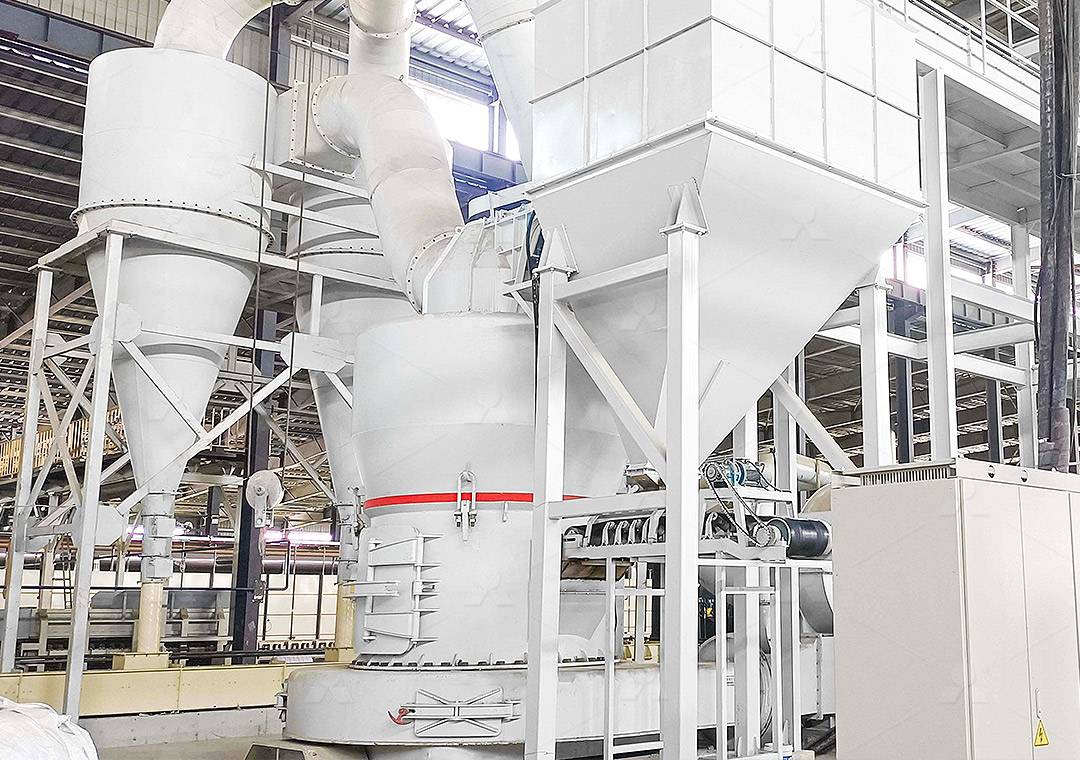
If you’re dealing with sticky or oily herbs (think licorice or cinnamon), our LUM Ultrafine Vertical Grinding Mill is another great choice. It handles materials up to 10 mm and offers precise control with multi-head powder separating technology. The reversible structure makes maintenance a breeze, which is handy for busy small businesses. It’s energy-saving too, reducing consumption by 30-50% compared to traditional mills.
Wrapping Up
Investing in a good grinding mill can elevate your herbal products from amateur to professional. Remember, the goal is to achieve a fine, consistent powder without compromising the integrity of your botanicals. Whether you go with the MW for its versatility or the LUM for its efficiency, both are built to handle the nuances of plant processing.
Happy grinding, and may your powders be ever fine and potent! If you have questions, drop a comment below—we love chatting all things herbs.