
Small Ball Mill for Sale Auckland New Zealand | Price & Specs
We provide a wide range of mills — including Raymond mill, trapezoidal mill, vertical mill, ultrafine mill, and ball mill, obtained ISO9001 international quality certification, EU CE certification, and Customs Union CU-TR certification. Suitable for processing minerals such as limestone, phosphate, quicklime, kaolin, talc, barite, bentonite, calcium carbonate, dolomite, coal, gypsum, clay, carbon black, slag, cement raw materials, cement clinker, and more.
The discharge range of these mills can be adjusted to meet specific processing needs, typically from 80-400 mesh, 600-3250 mesh, and can achieve the finest particle size of up to 6000 mesh(D50).
If you are looking for a reliable grinding solution to turn stone or minerals into fine powder, please feel free to contact our online customer service.
Finding the Right Milling Solution for Auckland’s Diverse Industries
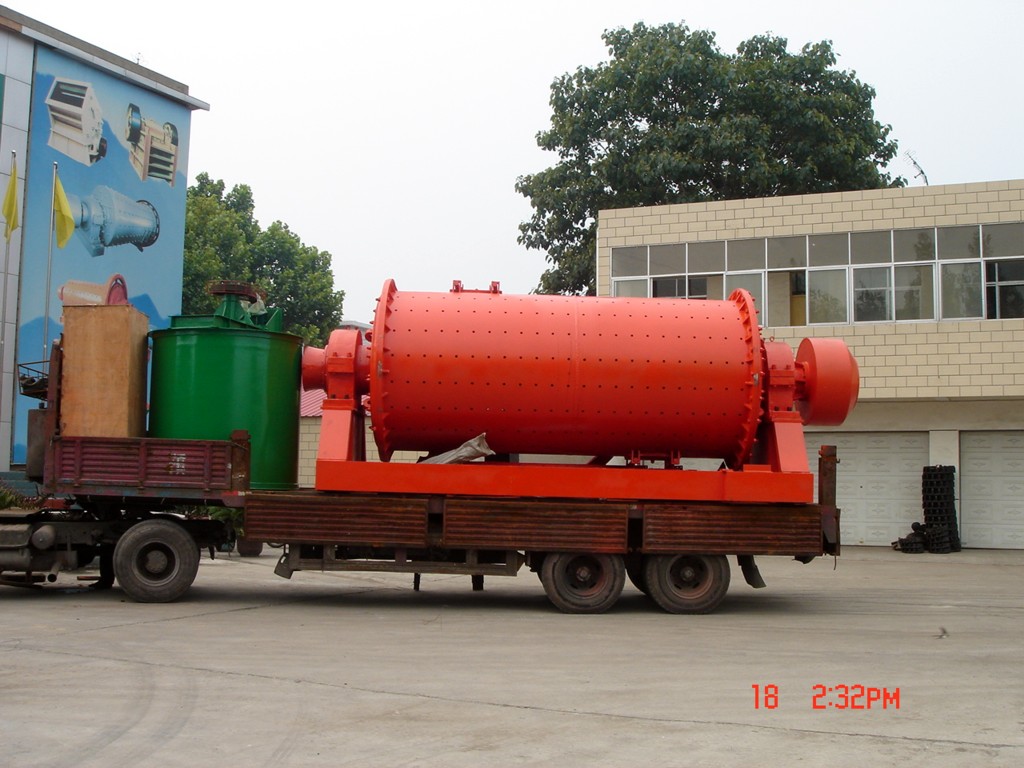
When searching for industrial grinding equipment in Auckland, many operators initially consider traditional ball mills for their simplicity and proven track record. Ball mills have long been the workhorse of mineral processing, construction materials, and chemical production facilities across New Zealand. These rotating cylinders containing grinding media (typically steel balls) can reduce various materials to fine powders through impact and attrition.
For operations requiring particle sizes down to 200-300 mesh, a small ball mill might seem like an economical choice. The initial investment is often lower than more advanced grinding systems, and the operating principle is straightforward enough for most technicians to understand. However, savvy operators in Auckland’s competitive market are increasingly looking beyond traditional solutions to technologies that offer greater efficiency, finer outputs, and lower operating costs.
Beyond Basic Grinding: The Limitations of Conventional Ball Mills
While ball mills handle general grinding tasks adequately, they face significant limitations when finer powders or specialized applications are required. Energy consumption is notably high, as much of the power input is wasted on rotating the heavy drum rather than actual grinding action. The heat generated during prolonged operation can affect heat-sensitive materials, and achieving consistent ultra-fine results below 325 mesh becomes increasingly challenging.
Maintenance considerations also play a crucial role in Auckland’s industrial landscape, where downtime directly impacts profitability. Ball mills require regular inspection of liners and grinding media, with replacement being both time-consuming and costly. Additionally, dust control can present challenges without proper sealing and collection systems.
Advanced Alternatives for Auckland’s Precision Grinding Needs
For operations requiring finer powders or processing specialized materials, modern grinding technologies offer significant advantages over conventional ball mills. At our company, we’ve developed specialized equipment that addresses the specific needs of New Zealand’s diverse industrial sector.
MW Ultrafine Grinding Mill: Precision for Specialized Applications
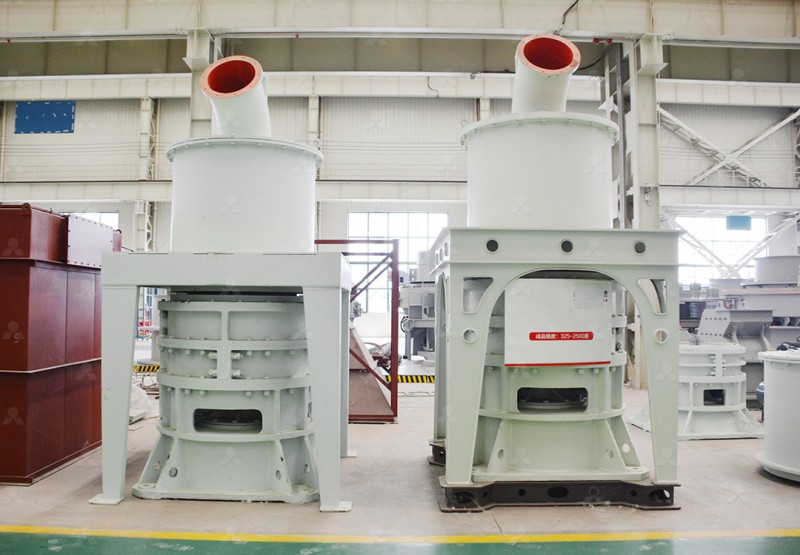
For customers who need to make ultra-fine powder, our MW Ultrafine Grinding Mill represents a technological leap forward. With an input size of 0-20 mm and capacity ranging from 0.5-25 tph, this machine produces powders between 325-2500 meshes – far beyond what traditional ball mills can achieve consistently.
The MW series incorporates several innovative features that make it particularly suitable for Auckland’s stringent environmental standards. The integrated efficient pulse dust collector and muffler system minimizes dust and noise pollution, ensuring operations meet local regulations. From limestone and calcite to specialized applications in cosmetics, pharmaceuticals, and food additives, this mill handles materials with precision and efficiency.
What truly sets the MW Ultrafine Grinding Mill apart is its energy efficiency. Compared to jet mills, it consumes approximately 30% less energy while achieving 40% higher production capacity. The unique design eliminates rolling bearings and screws from the grinding chamber, preventing common failure points and enabling continuous 24-hour operation with external lubrication capability.
LUM Ultrafine Vertical Grinding Mill: Efficiency Meets Innovation
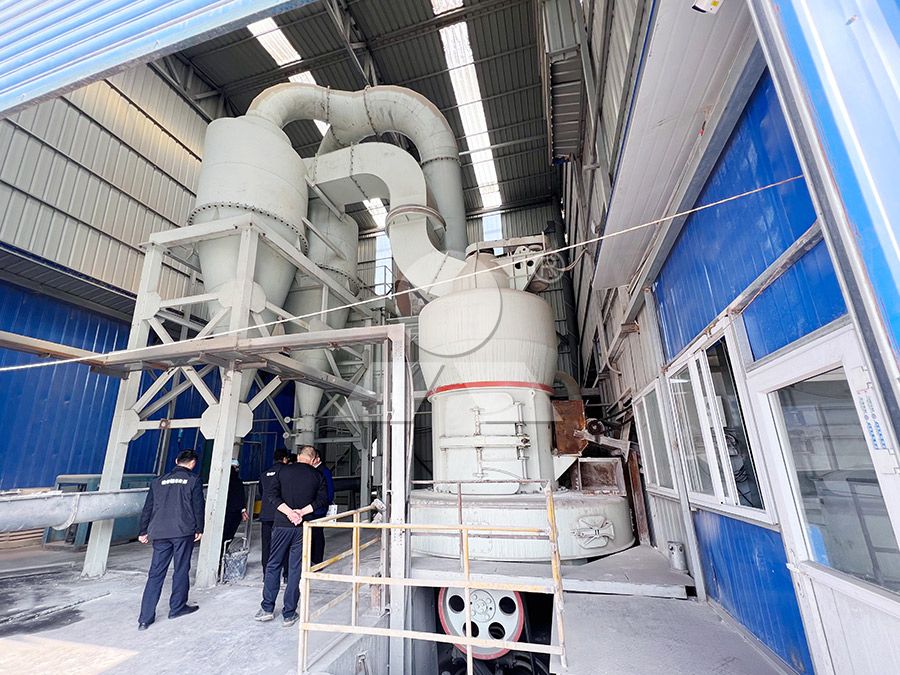
Another excellent option for Auckland operations is our LUM Ultrafine Vertical Grinding Mill, which handles input sizes up to 10 mm with capacities of 5-18 tph. This system integrates ultrafine powder grinding, grading, and transporting in a single compact unit, significantly reducing footprint requirements – a valuable consideration in Auckland’s industrial areas where space comes at a premium.
The LUM mill’s double position-limiting technology ensures stable operation even under variable load conditions, while the reversible structure simplifies maintenance procedures. The multi-head powder separating technology, controlled by an advanced PLC system, allows precise adjustment of grinding parameters to match specific production requirements.
Making the Right Choice for Your Auckland Operation
Selecting between a traditional ball mill and advanced grinding systems depends on several factors specific to your operation:
- Required fineness: For particles coarser than 200 mesh, ball mills may suffice. For finer requirements, consider the MW or LUM series.
- Production volume: Our MW Ultrafine Grinding Mill handles up to 25 tph, making it suitable for medium to large operations.
- Space constraints: Vertical mills like the LUM series have a significantly smaller footprint than equivalent ball mills.
- Operating costs: Advanced systems typically offer 30-50% energy savings over traditional ball mills.
- Material characteristics: Heat-sensitive or specialized materials often benefit from the controlled grinding environment of our advanced mills.
Frequently Asked Questions
What maintenance advantages do your advanced mills offer over traditional ball mills?
Our MW Ultrafine Grinding Mill eliminates common failure points by removing rolling bearings and screws from the grinding chamber. The LUM series features a reversible structure that allows easy access to grinding components, reducing maintenance time by up to 50% compared to ball mill liner replacement.
How do your mills address Auckland’s environmental regulations?
Both the MW and LUM series come equipped with integrated dust collection systems that ensure compliance with New Zealand’s strict environmental standards. The MW model’s pulse dust collector and muffler system effectively contains particles and reduces noise emissions.
Can your equipment handle New Zealand’s specific mineral types?
Absolutely. Our grinding mills are tested with various materials common in New Zealand, including limestone, dolomite, and volcanic rock derivatives. The adjustable fineness (325-2500 meshes on the MW series) allows customization for specific mineral characteristics.
What support do you offer for Auckland-based customers?
We provide comprehensive technical support, original spare parts supply, and installation guidance for all our equipment. Our team understands the local industrial requirements and can assist with optimizing operations for New Zealand conditions.
How does the energy consumption compare between ball mills and your advanced systems?
Our MW Ultrafine Grinding Mill consumes approximately 30% of the energy required by equivalent jet mills and offers significantly better efficiency than traditional ball mills. The LUM series reduces energy consumption by 30%-50% compared to conventional grinding systems.