
Slag Vertical Roller Mill Manufacturer – High Efficiency Grinding Solutions
We provide a wide range of mills — including Raymond mill, trapezoidal mill, vertical mill, ultrafine mill, and ball mill, obtained ISO9001 international quality certification, EU CE certification, and Customs Union CU-TR certification. Suitable for processing minerals such as limestone, phosphate, quicklime, kaolin, talc, barite, bentonite, calcium carbonate, dolomite, coal, gypsum, clay, carbon black, slag, cement raw materials, cement clinker, and more.
The discharge range of these mills can be adjusted to meet specific processing needs, typically from 80-400 mesh, 600-3250 mesh, and can achieve the finest particle size of up to 6000 mesh(D50).
If you are looking for a reliable grinding solution to turn stone or minerals into fine powder, please feel free to contact our online customer service.
Slag Vertical Roller Mill Manufacturer – High Efficiency Grinding Solutions
In today’s demanding industrial landscape, processing waste materials like slag efficiently and profitably is a major challenge for many plants. As a leading manufacturer in the grinding equipment industry, we understand that high throughput, low energy consumption, and minimal environmental impact are not just desires—they are requirements for staying competitive.
Slag, a by-product of steel and iron production, possesses latent hydraulic properties, making it a valuable component in cement and concrete. However, transforming this industrial waste into a high-value product requires robust and specialized grinding technology. Traditional ball mills, while reliable, often fall short in terms of energy efficiency and footprint.
The Vertical Advantage for Slag Processing
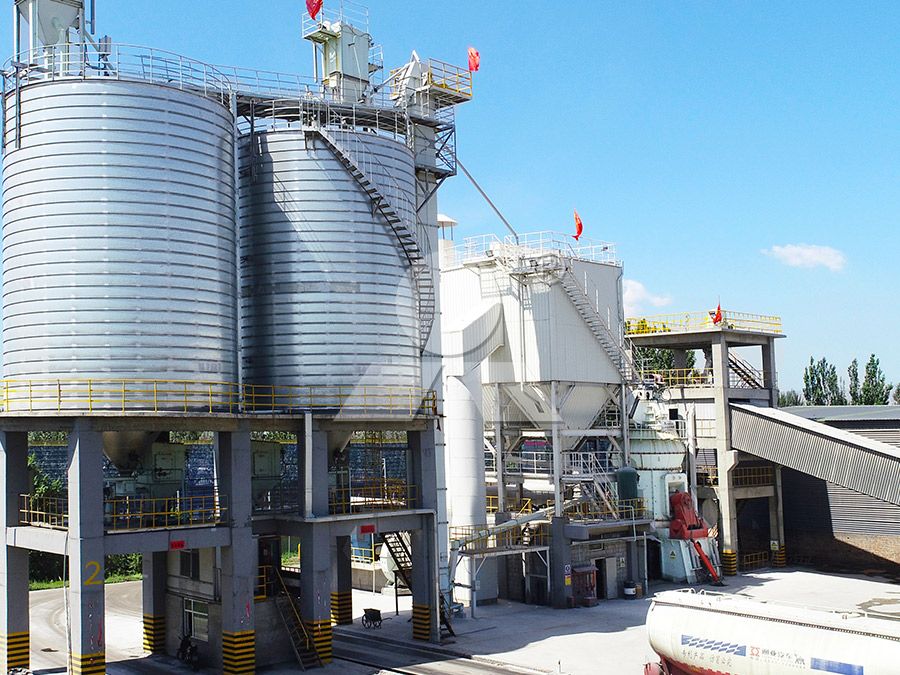
Vertical Roller Mills (VRMs) have revolutionized the way we approach slag grinding. Unlike horizontal ball mills, VRMs operate on the principle of bed comminution, where material is ground between a rotating table and rollers. This method is inherently more efficient, as it directly targets the particles with pressure rather than relying on random impact and attrition in a tumbling mass of balls.
The benefits are substantial. VRMs can integrate drying, grinding, classification, and conveying into a single, compact unit. This not only slashes the footprint of your grinding plant by up to 50% but also significantly reduces energy consumption—often by 30% to 40% compared to traditional ball mill systems. For slag, which often requires drying, this integrated approach is a game-changer, eliminating the need for separate drying equipment and streamlining the entire process.
Our Premier Solution: The LM Vertical Slag Mill
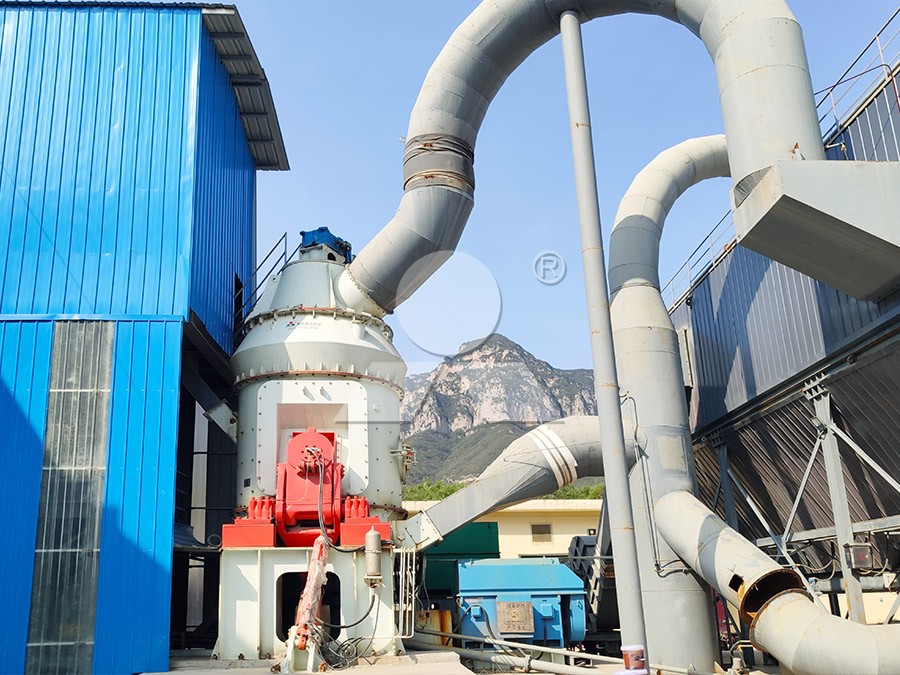
When it comes to specialized slag grinding, our LM Vertical Slag Mill is engineered for excellence. This isn’t just a modified cement mill; it’s a purpose-built machine designed from the ground up to handle the abrasive and sometimes variable nature of granulated blast furnace slag.
Here’s what sets it apart:
- High Capacity & Efficiency: With a capacity range of 7-100 T/H, it handles large-scale production needs. Its unique grinding device and powder selection technology ensure higher efficiency with lower specific energy consumption.
- Superior Product Quality: The mill produces powder with uniform fineness and high screening rate, perfect for producing high-quality slag cement or concrete additives.
- Remarkable Reliability: Key components are made from high-performance wear-resistant materials, drastically extending service life and reducing maintenance downtime. The hydraulic system allows grinding rollers to be turned out easily for inspection and maintenance.
- Environmental Compliance: The entire system operates under negative pressure, ensuring no dust spillage. Combined with its low noise levels, it meets the strictest environmental standards.
The working principle is a masterclass in efficiency. Material is fed onto the center of a rotating grinding table. Centrifugal force moves it outward under heavy, hydraulically-loaded rollers where it’s crushed. Airflow from the inlet carries the ground particles to an integral classifier. Fine product is swept out, while coarse material falls back for regrinding. Any ungrindable debris (like small bits of metal) falls through the air stream and is discharged separately, protecting the mill.
A Versatile Partner: The MW Ultrafine Grinding Mill
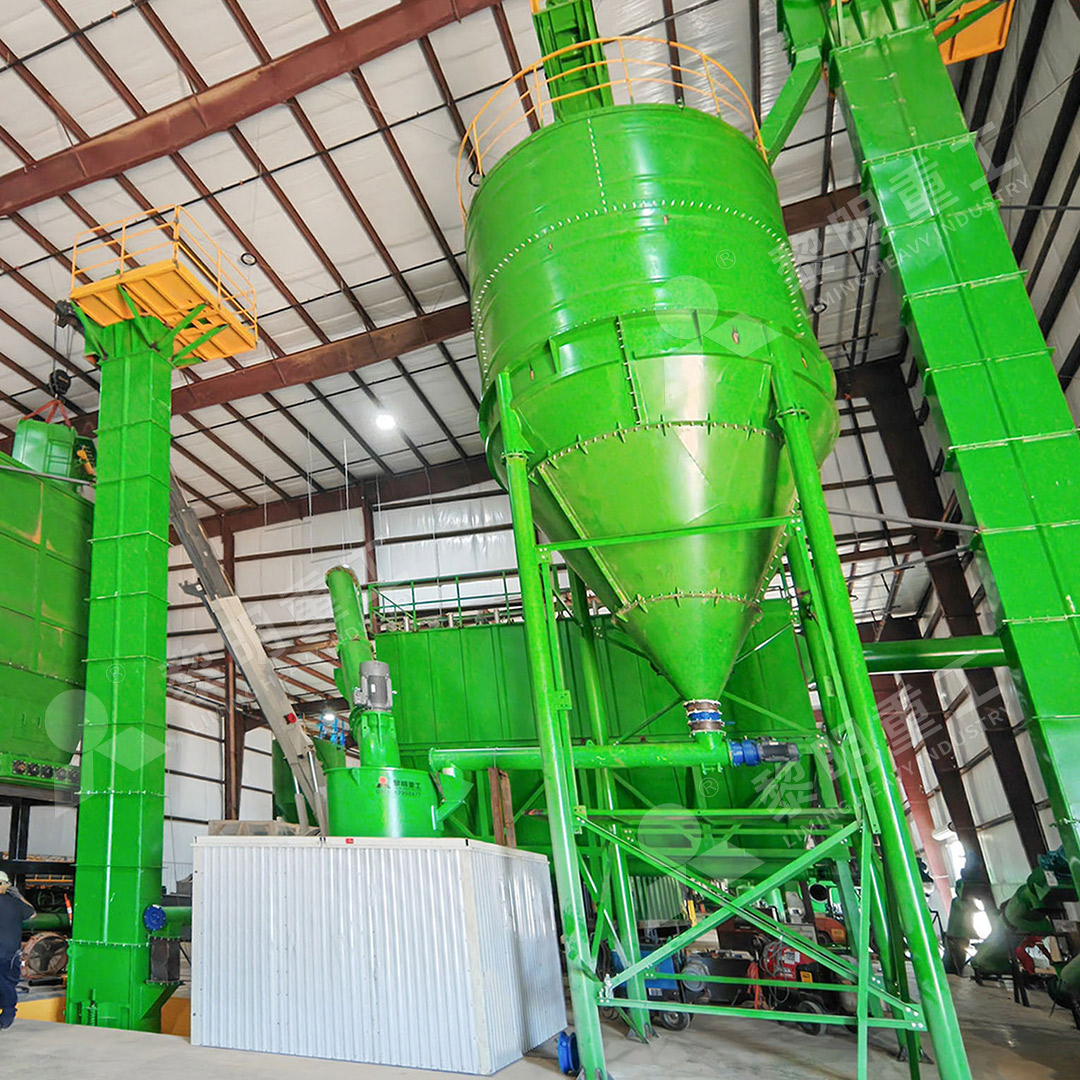
For operations that also require producing ultra-fine powders from other materials—such as limestone, calcite, or barite for chemicals, paints, or cosmetics—we highly recommend our MW Ultrafine Grinding Mill. This machine is a beast when it comes to fine and ultra-fine grinding, achieving adjustable fineness between 325-2500 meshes.
Its standout features make it an ideal secondary or specialty grinder in a facility that also handles slag:
- It boasts a 40% higher capacity than jet mills or stirred mills at the same power and fineness.
- The ingenious design has no rolling bearings or screws in the grinding chamber, eliminating common failure points and allowing for external lubrication without shutdown.
- It’s equipped with an efficient pulse dust collector and silencer, making its operation incredibly clean and quiet.
Choosing the right grinding partner is critical for optimizing your operation’s profitability and sustainability. Whether your focus is solely on high-volume slag processing with our LM Vertical Slag Mill or you require additional capabilities for ultra-fine products with the MW series, we provide not just equipment, but comprehensive, high-efficiency grinding solutions backed by expert technical support and a guaranteed supply of original spare parts. Let’s grind smarter, not harder.