
Slag Pulverization with Vertical Mill for Steel and Water Slag in Construction Projects
We provide a wide range of mills — including Raymond mill, trapezoidal mill, vertical mill, ultrafine mill, and ball mill, obtained ISO9001 international quality certification, EU CE certification, and Customs Union CU-TR certification. Suitable for processing minerals such as limestone, phosphate, quicklime, kaolin, talc, barite, bentonite, calcium carbonate, dolomite, coal, gypsum, clay, carbon black, slag, cement raw materials, cement clinker, and more.
The discharge range of these mills can be adjusted to meet specific processing needs, typically from 80-400 mesh, 600-3250 mesh, and can achieve the finest particle size of up to 6000 mesh(D50).
If you are looking for a reliable grinding solution to turn stone or minerals into fine powder, please feel free to contact our online customer service.
Slag Pulverization with Vertical Mill for Steel and Water Slag in Construction Projects
In modern construction and infrastructure development, the utilization of industrial by-products like steel slag and water slag has become a cornerstone of sustainable practice. These materials, once considered waste, are now highly valued for their cementitious properties when processed correctly. The key to unlocking their potential lies in efficient and precise pulverization technology. Vertical grinding mills have emerged as the preferred equipment for this critical task, offering unparalleled efficiency, environmental benefits, and product quality for construction applications.
The Importance of Proper Slag Pulverization
Steel slag and water slag possess unique chemical and physical characteristics that make them excellent supplementary cementitious materials (SCMs). However, their effectiveness is directly tied to their fineness and particle size distribution. Inadequate grinding can lead to inconsistent performance, reduced strength in concrete, and longer setting times. Vertical mills address these challenges by delivering a uniformly fine powder with a narrow particle size distribution, ensuring optimal reactivity and performance in concrete mixes. The process transforms these industrial by-products into high-value additives that enhance concrete durability, reduce permeability, and improve long-term strength development.
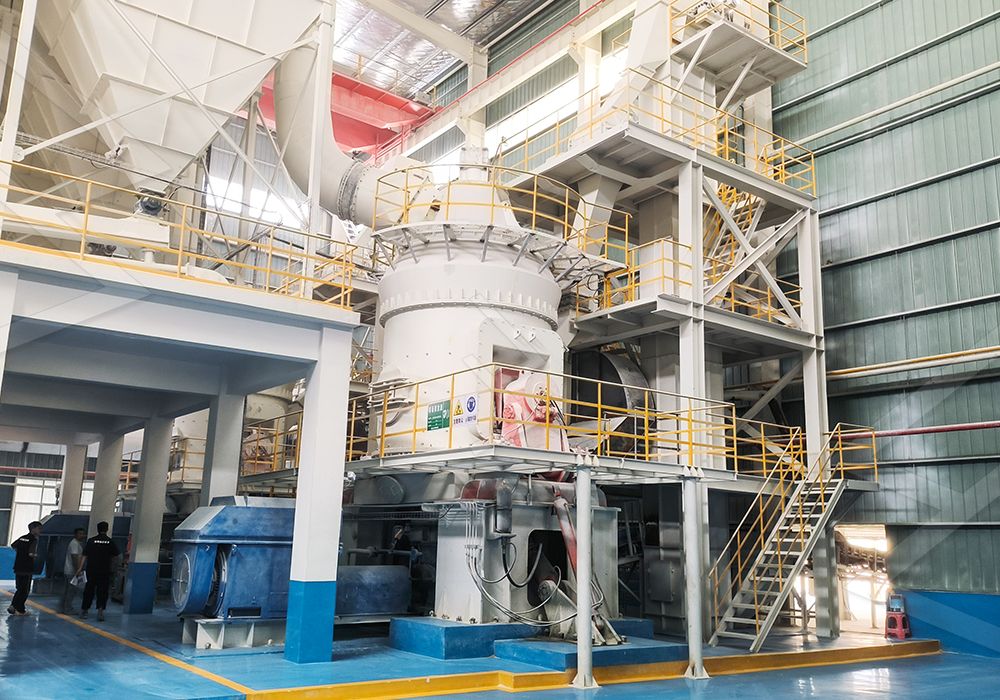
Why Vertical Mills Excel in Slag Processing
Vertical grinding mills offer distinct advantages over traditional ball mills for slag processing. Their compact design integrates multiple processes—crushing, drying, grinding, classifying, and conveying—into a single unit, significantly reducing the footprint required for installation. This is particularly valuable in urban construction projects where space is at a premium. The vertical orientation allows for more efficient material transport and classification, while the controlled grinding environment minimizes iron contamination—a critical factor when producing light-colored cement or concrete where discoloration must be avoided.
The energy efficiency of vertical mills represents another significant advantage, with power consumption typically 30%-40% lower than conventional ball milling systems. This reduction in energy use translates directly to lower operating costs and a smaller carbon footprint for construction projects. Additionally, advanced vertical mills operate under negative pressure with comprehensive sealing systems, effectively containing dust and maintaining a clean working environment that meets stringent environmental regulations.
Recommended Solution: LM Vertical Slag Mill
For construction projects requiring consistent, high-quality slag powder, we recommend our LM Vertical Slag Mill. This specialized equipment is engineered specifically for grinding industrial wastes like steel slag and water slag into valuable construction material. With a capacity range of 7-100 t/h and handling input sizes of 38-65 mm, this mill integrates drying, grinding, powder selection, and conveying in a single compact system.
The LM Vertical Slag Mill’s unique grinding device achieves the integration of grinding and powder selection, focusing specifically on slag milling requirements. Its vertical structure reduces the covered area by approximately 50% compared to ball milling systems, while energy consumption is reduced by 30%-40%. The mill produces finished powder with uniform fineness and high screening rates, essential for consistent performance in concrete applications. Important components are manufactured from high-quality steel, with wear-resistant parts made from advanced materials to ensure reliable operation and extended service life.
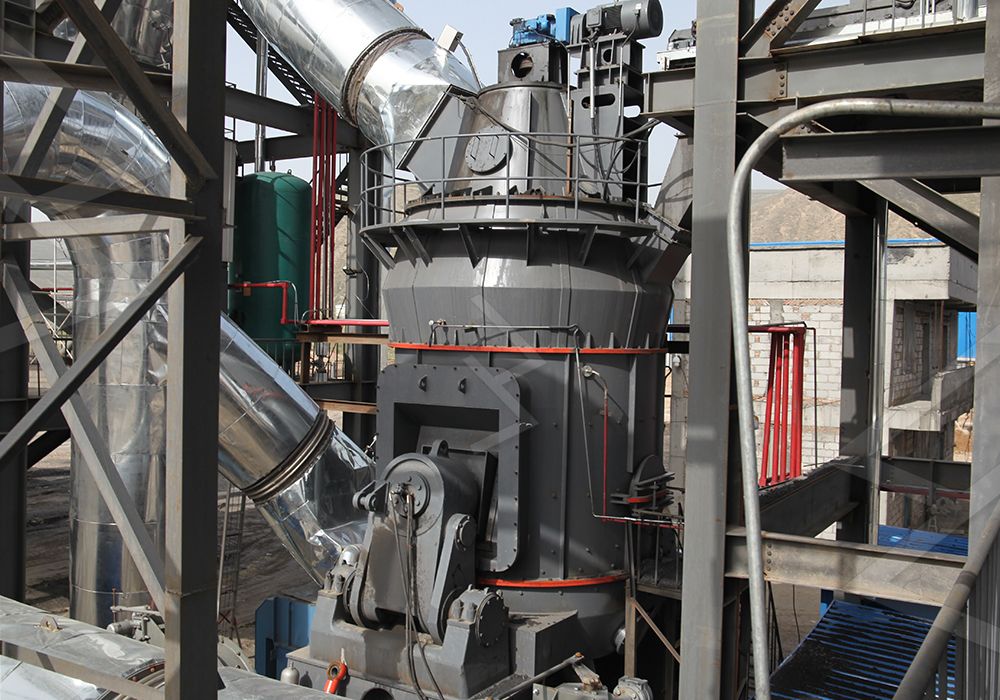
Advanced Technology for Superior Results
The working principle of the LM Vertical Slag Mill ensures optimal processing conditions. As a negative-pressure air-sweep type grinding equipment, it simultaneously dries and grinds slag materials. The main motor drives the grinding table to rotate through the reducer while hot air enters the mill body from the air inlet. Material falls from the discharge port to the center of the grinding table, where it is crushed by the grinding roller. Bulk material is crushed directly, while fine-grained material forms a material bed for inter-particle crushing—a process that enhances efficiency and product quality.
The crushed material moves toward the edge of the grinding table until taken away by the strong air flow at the wind ring. Larger particles fall back onto the grinding table for further grinding, while the material in the air flow passes through the separator where coarse particles are returned for regrinding. Qualified fine powder is discharged with the airflow and collected by the system’s powder collector. This sophisticated process ensures precise control over particle size distribution, critical for achieving the desired performance characteristics in final construction applications.
Applications in Modern Construction
Properly processed slag powder finds numerous applications across the construction industry. In cement production, it serves as a high-quality additive that improves concrete workability, reduces heat of hydration, and enhances long-term durability. For ready-mix concrete producers, slag powder offers economic and performance benefits, allowing for reduced cement content while maintaining or improving concrete properties. Infrastructure projects particularly benefit from slag-based concrete’s improved resistance to chemical attack, sulfate resistance, and reduced alkali-silica reaction potential.
Frequently Asked Questions
What fineness can be achieved with vertical mills for slag processing?
Vertical mills can achieve fineness levels up to 5000 cm²/g Blaine surface area, with precise control over particle size distribution to meet specific application requirements.
How does the energy consumption compare to traditional ball mills?
Vertical mills typically reduce energy consumption by 30%-40% compared to conventional ball milling systems for equivalent output.
Can vertical mills handle both steel slag and water slag?
Yes, modern vertical mills like the LM Vertical Slag Mill are specifically designed to process both steel slag and water slag efficiently, with adjustments available for different material characteristics.
What maintenance requirements do vertical mills have?
Vertical mills feature accessible design for maintenance, with wear-resistant components that extend service intervals. Routine maintenance primarily involves inspection of grinding elements and wear parts.
How does slag powder improve concrete performance?
Slag powder enhances concrete workability, reduces permeability, improves long-term strength development, and increases resistance to chemical attack and sulfate damage.