
Slag Micro-Powder Production Process Flow Chart and Equipment Configuration Guide
We provide a wide range of mills — including Raymond mill, trapezoidal mill, vertical mill, ultrafine mill, and ball mill, obtained ISO9001 international quality certification, EU CE certification, and Customs Union CU-TR certification. Suitable for processing minerals such as limestone, phosphate, quicklime, kaolin, talc, barite, bentonite, calcium carbonate, dolomite, coal, gypsum, clay, carbon black, slag, cement raw materials, cement clinker, and more.
The discharge range of these mills can be adjusted to meet specific processing needs, typically from 80-400 mesh, 600-3250 mesh, and can achieve the finest particle size of up to 6000 mesh(D50).
If you are looking for a reliable grinding solution to turn stone or minerals into fine powder, please feel free to contact our online customer service.
Slag Micro-Powder Production Process Flow Chart and Equipment Configuration Guide
The production of slag micro-powder involves several critical steps, from raw material preparation to final product collection. This guide outlines the process flow and recommends high-performance equipment to optimize efficiency and output quality.
1. Process Flow Overview
The typical slag micro-powder production process includes the following stages:
- Raw Material Preparation: Slag is crushed to a suitable size (usually below 20mm) using a jaw crusher.
- Drying: Moisture content is reduced to below 1% in a dryer.
- Grinding: The dried slag is fed into a grinding mill for micronization.
- Classification: Powder separators ensure the final product meets required fineness specifications.
- Collection: Cyclone collectors and bag filters collect the finished micro-powder.
- Packaging: The product is stored in silos or packed for shipment.
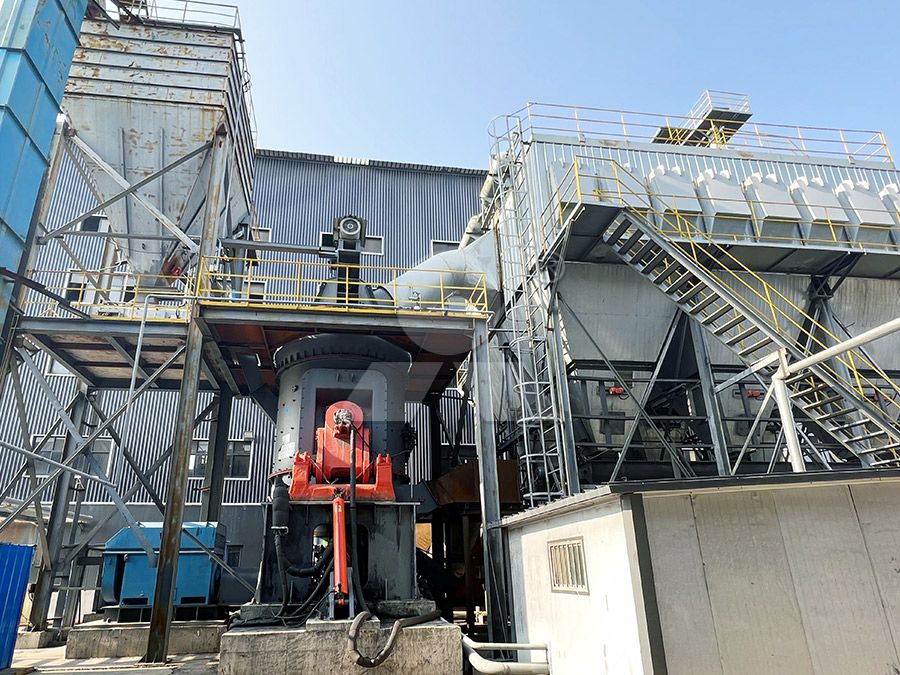
2. Key Equipment Recommendations
For optimal slag micro-powder production, we recommend our MW Ultrafine Grinding Mill as the core grinding equipment:
MW Ultrafine Grinding Mill Features:
- Input Size: 0-20 mm
- Capacity: 0.5-25 tph
- Adjustable fineness between 325-2500 meshes
- 40% higher capacity than jet mills with 30% less energy consumption
- Pulse dust collector for eco-friendly operation
The MW mill’s unique design eliminates rolling bearings in the grinding chamber, significantly reducing maintenance requirements while ensuring continuous 24/7 operation. Its German-designed cage-type powder selector provides precise classification for consistent product quality.
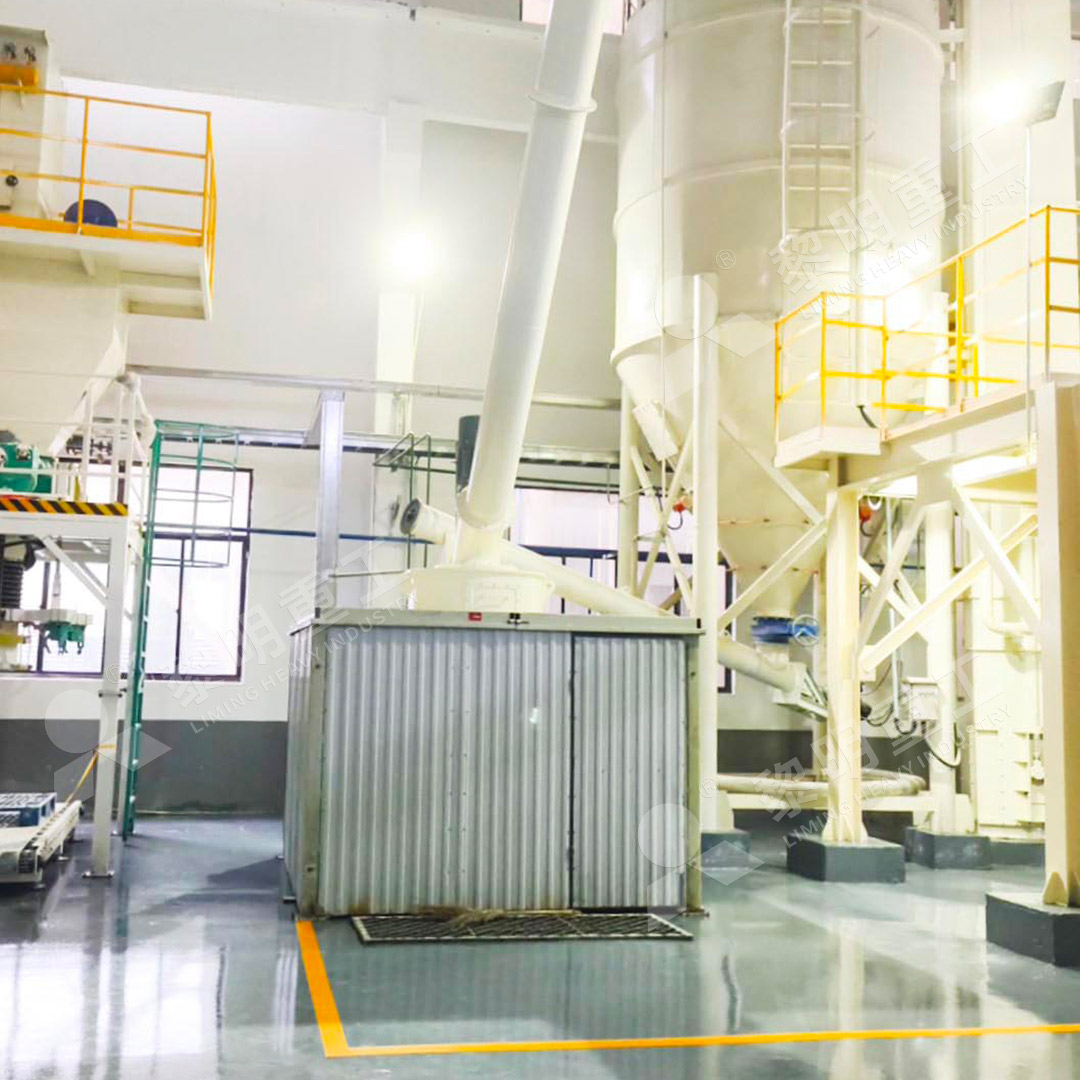
3. Auxiliary Equipment Configuration
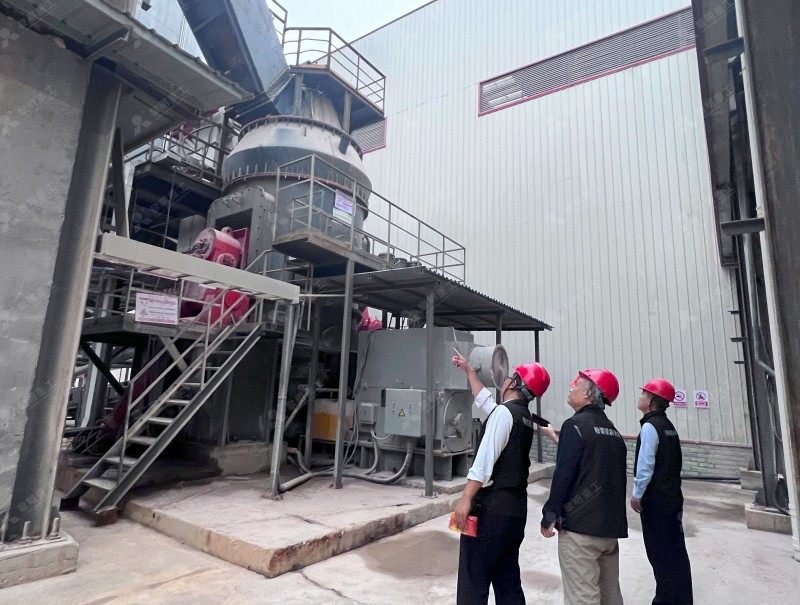
For complete system integration, consider pairing the MW mill with our LUM Ultrafine Vertical Grinding Mill for secondary grinding applications:
LUM Mill Advantages:
- Input Size: 0-10 mm
- Capacity: 5-18 tph
- 30-50% energy savings compared to conventional mills
- Reversible structure for easy maintenance
- PLC-controlled multi-head powder separating technology
4. System Optimization Tips
To maximize your slag micro-powder production efficiency:
- Implement automated feeding systems to maintain consistent mill loading
- Use thermal imaging to monitor grinding roller temperatures
- Schedule regular inspections of wear parts
- Optimize air flow rates for your specific material characteristics
5. Conclusion
Proper equipment selection and system configuration are crucial for profitable slag micro-powder production. Our MW Ultrafine Grinding Mill, with its exceptional energy efficiency and low maintenance requirements, provides an ideal solution for operations ranging from 0.5 to 25 tons per hour. Combined with proper process design and the recommended auxiliary equipment, you can achieve consistent, high-quality slag powder production with minimal environmental impact.
For specific configuration advice tailored to your production requirements, please contact our technical team for a customized solution proposal.