
Silver Ore Grinding Mills: Price Factors and Selection Guide for Mineral Processing Plants
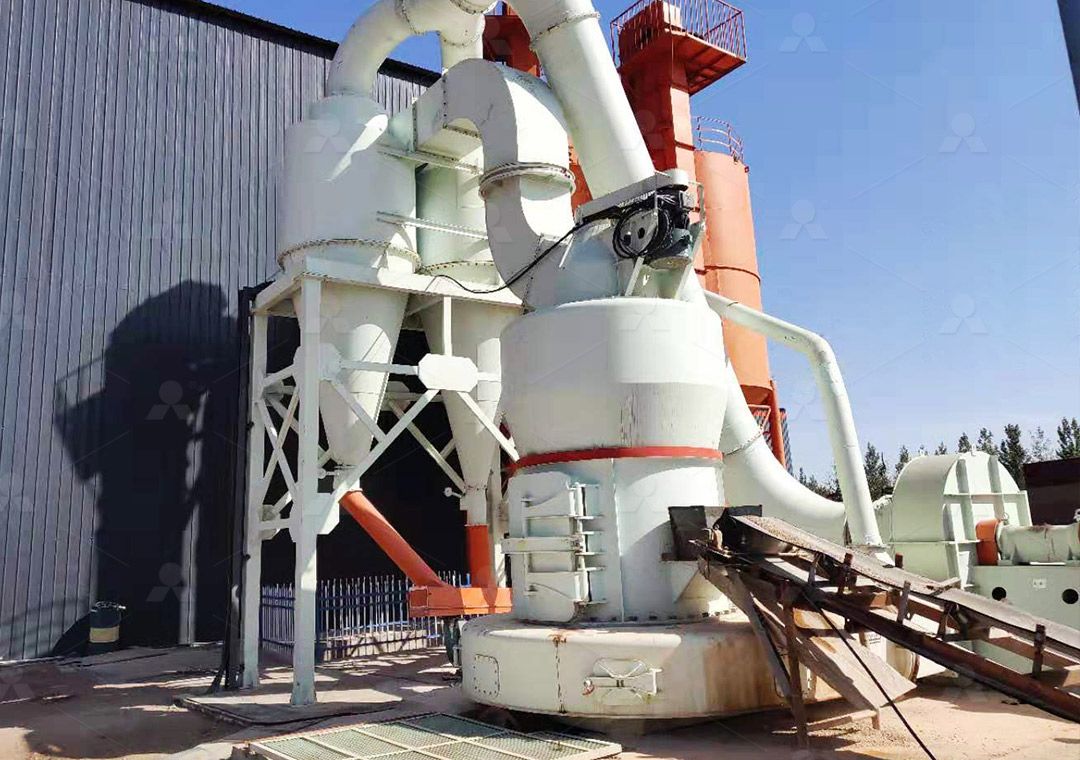
We provide a wide range of mills — including Raymond mill, trapezoidal mill, vertical mill, ultrafine mill, and ball mill, obtained ISO9001 international quality certification, EU CE certification, and Customs Union CU-TR certification. Suitable for processing minerals such as limestone, phosphate, quicklime, kaolin, talc, barite, bentonite, calcium carbonate, dolomite, coal, gypsum, clay, carbon black, slag, cement raw materials, cement clinker, and more.
The discharge range of these mills can be adjusted to meet specific processing needs, typically from 80-400 mesh, 600-3250 mesh, and can achieve the finest particle size of up to 6000 mesh(D50).
If you are looking for a reliable grinding solution to turn stone or minerals into fine powder, please feel free to contact our online customer service.
Silver Ore Grinding Mills: Price Factors and Selection Guide for Mineral Processing Plants
Selecting the optimal grinding mill for silver ore processing is a critical decision that directly impacts operational efficiency, product quality, and overall profitability. The choice is rarely straightforward, influenced by a complex interplay of ore characteristics, desired final product specifications, and budget constraints. This guide outlines the key factors to consider and highlights advanced solutions that can maximize your return on investment.
Key Factors Influencing Mill Selection and Cost
The total cost of ownership for a grinding mill extends far beyond the initial purchase price. Plant managers must evaluate several interconnected factors:
- Ore Hardness and Abrasiveness: Silver ores vary significantly in hardness and silica content. Harder, more abrasive ores require mills with robust construction and wear-resistant materials to minimize downtime for maintenance and parts replacement, which directly affects long-term operating costs.
- Target Particle Size (P80): The required fineness of grind is paramount. While leaching processes might tolerate a coarser grind, flotation or chemical processing often demands ultra-fine powders to maximize silver recovery rates. Achieving finer grinds typically requires more energy and specialized equipment.
- Throughput Capacity: The required tons-per-hour (tph) capacity dictates the size and power of the mill. It’s crucial to match the mill’s capacity to both current and projected future plant output to avoid bottlenecks or underutilized capital.
- Energy Consumption: Grinding is notoriously energy-intensive. Mills with higher grinding efficiency can lead to substantial savings on electricity, which is often the largest single operating expense over the mill’s lifespan.
- Operational and Maintenance Costs: Consider the ease of maintenance, the cost and availability of spare parts (like rollers and liners), and the required labor. A mill designed for easy access and long-lasting components can drastically reduce lifecycle costs.
Advanced Mill Technologies for Enhanced Silver Recovery
Modern grinding technology has moved beyond traditional ball mills to offer solutions that provide superior efficiency, control, and environmental performance. For operations targeting high-value, ultra-fine silver concentrates, advanced mills are becoming the industry standard.
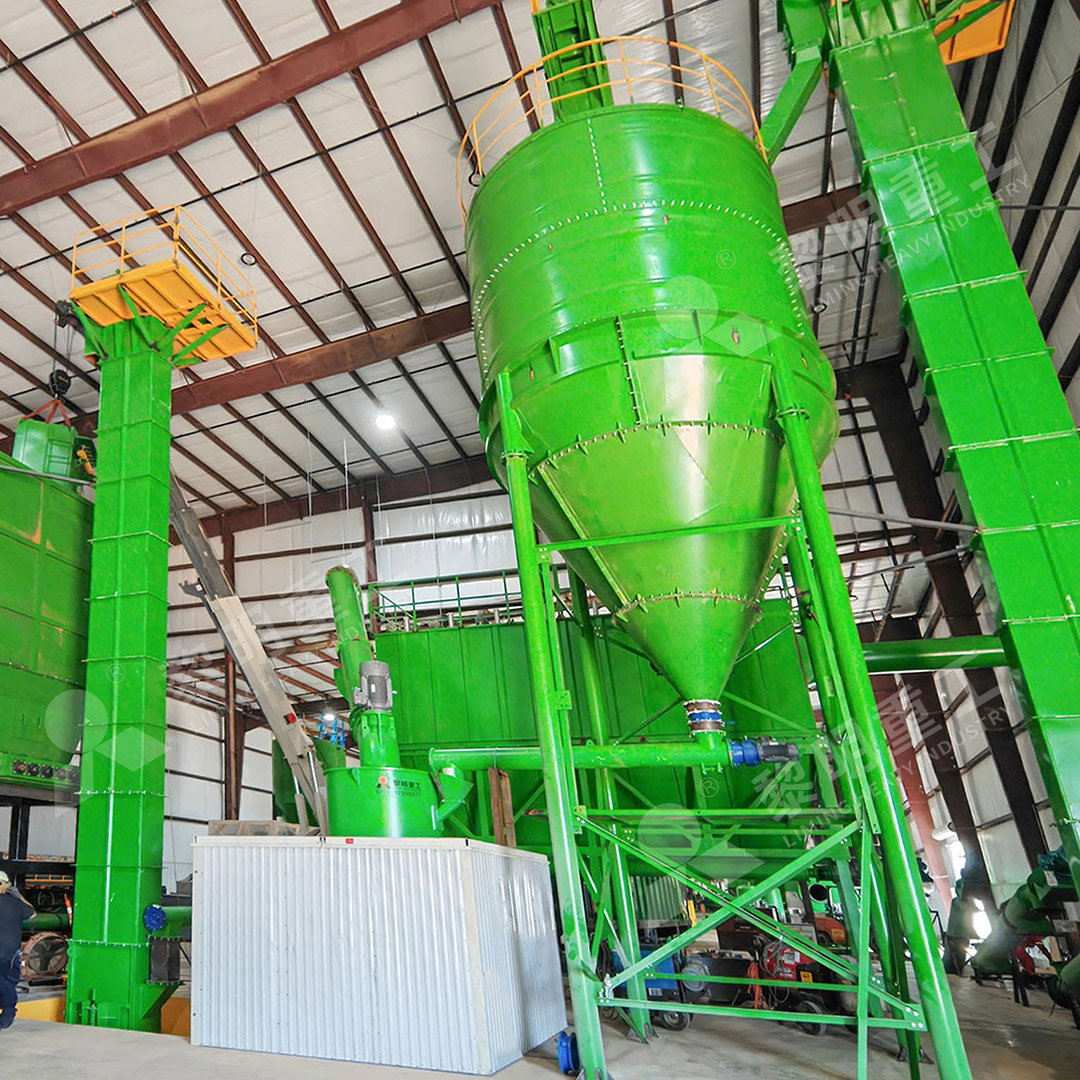
For plants requiring exceptional fineness, our MW Ultrafine Grinding Mill presents a compelling solution. Engineered for customers who need to produce ultra-fine powder between 325 and 2500 meshes, this mill is ideal for liberating finely disseminated silver particles. Its innovative design features higher yielding and lower energy consumption, with production capacity up to 40% higher than jet mills and energy use only 30% of comparable systems. A significant advantage for continuous operation is the absence of rolling bearings and screws in the grinding chamber, eliminating common failure points. Furthermore, the integrated efficient pulse dust collector ensures the entire milling process is clean and compliant with environmental standards, a critical consideration for modern mining operations.
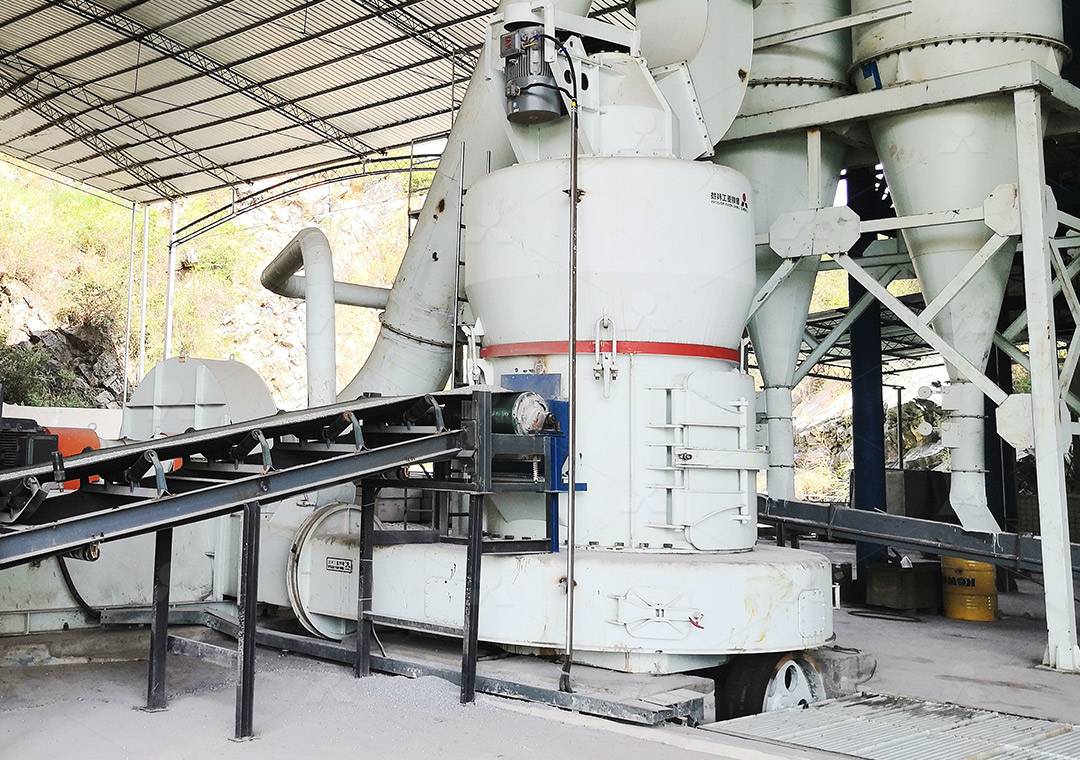
Another excellent option for high-efficiency fine grinding is the LUM Ultrafine Vertical Grinding Mill. It integrates grinding, grading, and transporting into a single, compact unit. Its unique roller shell and lining plate grinding curve are designed to generate a stable material layer, enabling a high rate of finished product in a single pass. This design not only enhances efficiency but also improves the whiteness and cleanliness of the final powder, which can be beneficial for downstream processing. The mill’s multi-head powder separating technology, controlled by a PLC system, allows for precise control over fineness and quick adaptation to different production demands, resulting in energy savings of 30%-50%.
Making the Final Decision
The most cost-effective mill for your silver ore plant will balance performance with total operational expenditure. We recommend conducting comprehensive ore testing and requesting detailed performance and cost data from suppliers. A thorough analysis that projects costs over a 5-to-10-year horizon will reveal the true value of investing in a technologically advanced, energy-efficient grinding solution.
Frequently Asked Questions (FAQ)
What is the most important factor when choosing a silver ore grinding mill?
While all factors are important, achieving the target particle size (P80) for optimal silver recovery is the primary technical goal. The most cost-effective mill is the one that achieves this fineness with the lowest combined capital and operating costs over its lifetime.
Are vertical roller mills suitable for hard silver ores?
Yes, modern vertical roller mills like our LUM series are equipped with robust grinding rollers and tables made from high-chromium or other wear-resistant alloys, making them well-suited for hard and abrasive ores. Their efficient grinding principle also makes them more energy-efficient than traditional ball mills for many applications.
How can I reduce the energy cost of grinding?
Focus on mills designed for high grinding efficiency. Technologies like the curved grinding roller/ring interface in the MW Mill or the material bed grinding principle in the LUM Mill directly translate to lower specific energy consumption (kWh/t). Also, ensure your mill is correctly sized for your throughput to avoid running equipment inefficiently.
What about maintenance downtime?
Select mills with features designed for easy maintenance. For instance, the MW Mill’s external lubrication system allows for maintenance without shutdown, and the LUM Mill’s reversible structure allows grinding rollers to be easily swung out for inspection and liner replacement, significantly reducing downtime.