
Silicon Carbide Raymond Mill Grinding Equipment: A Comprehensive Guide
We provide a wide range of mills — including Raymond mill, trapezoidal mill, vertical mill, ultrafine mill, and ball mill, obtained ISO9001 international quality certification, EU CE certification, and Customs Union CU-TR certification. Suitable for processing minerals such as limestone, phosphate, quicklime, kaolin, talc, barite, bentonite, calcium carbonate, dolomite, coal, gypsum, clay, carbon black, slag, cement raw materials, cement clinker, and more.
The discharge range of these mills can be adjusted to meet specific processing needs, typically from 80-400 mesh, 600-3250 mesh, and can achieve the finest particle size of up to 6000 mesh(D50).
If you are looking for a reliable grinding solution to turn stone or minerals into fine powder, please feel free to contact our online customer service.
Silicon Carbide Raymond Mill Grinding Equipment
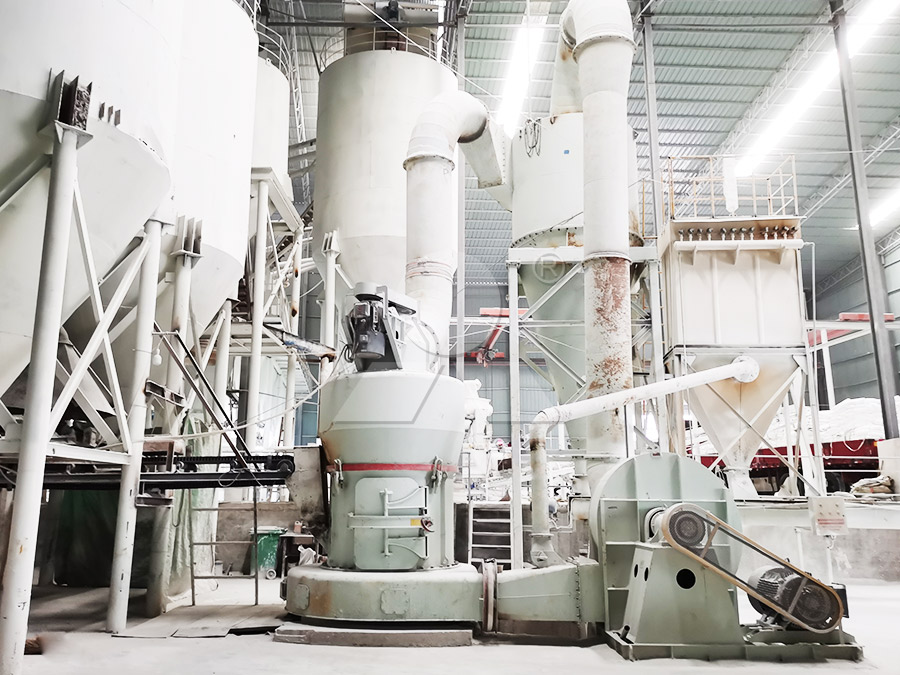
Silicon Carbide (SiC) is a synthetic ceramic material of exceptional hardness, ranking just below diamond and boron carbide on the Mohs scale. Its properties—high thermal conductivity, chemical inertness, and wear resistance—make it indispensable in industries ranging from abrasives and refractories to semiconductors and advanced ceramics. However, these very properties present a significant challenge: how to efficiently grind this ultra-hard material into fine, consistent powders. This is where specialized grinding equipment, such as advanced Raymond mill systems, becomes critical.
The Grinding Challenge of Silicon Carbide
Traditional grinding mills often struggle with SiC. The material’s extreme hardness leads to accelerated wear of grinding components, contamination from worn metal parts, high energy consumption, and inconsistent particle size distribution. A standard ball mill, for instance, may introduce significant iron contamination and suffer from low efficiency. The ideal solution must offer high grinding force, superior wear resistance in critical components, precise classification, and a closed, clean system to maintain product purity.
Evolution of Raymond Mill Technology for Hard Materials
The classic Raymond mill, a cornerstone of powder processing for decades, has undergone significant technological evolution to meet modern demands. While the fundamental principle of grinding via rollers against a stationary ring remains, contemporary iterations integrate advancements that make them suitable for tough materials like Silicon Carbide. Key developments include the use of high-performance wear-resistant alloys for rollers and rings, highly efficient centrifugal classifiers for tight particle size control, and fully enclosed negative-pressure systems that prevent dust emission and cross-contamination.
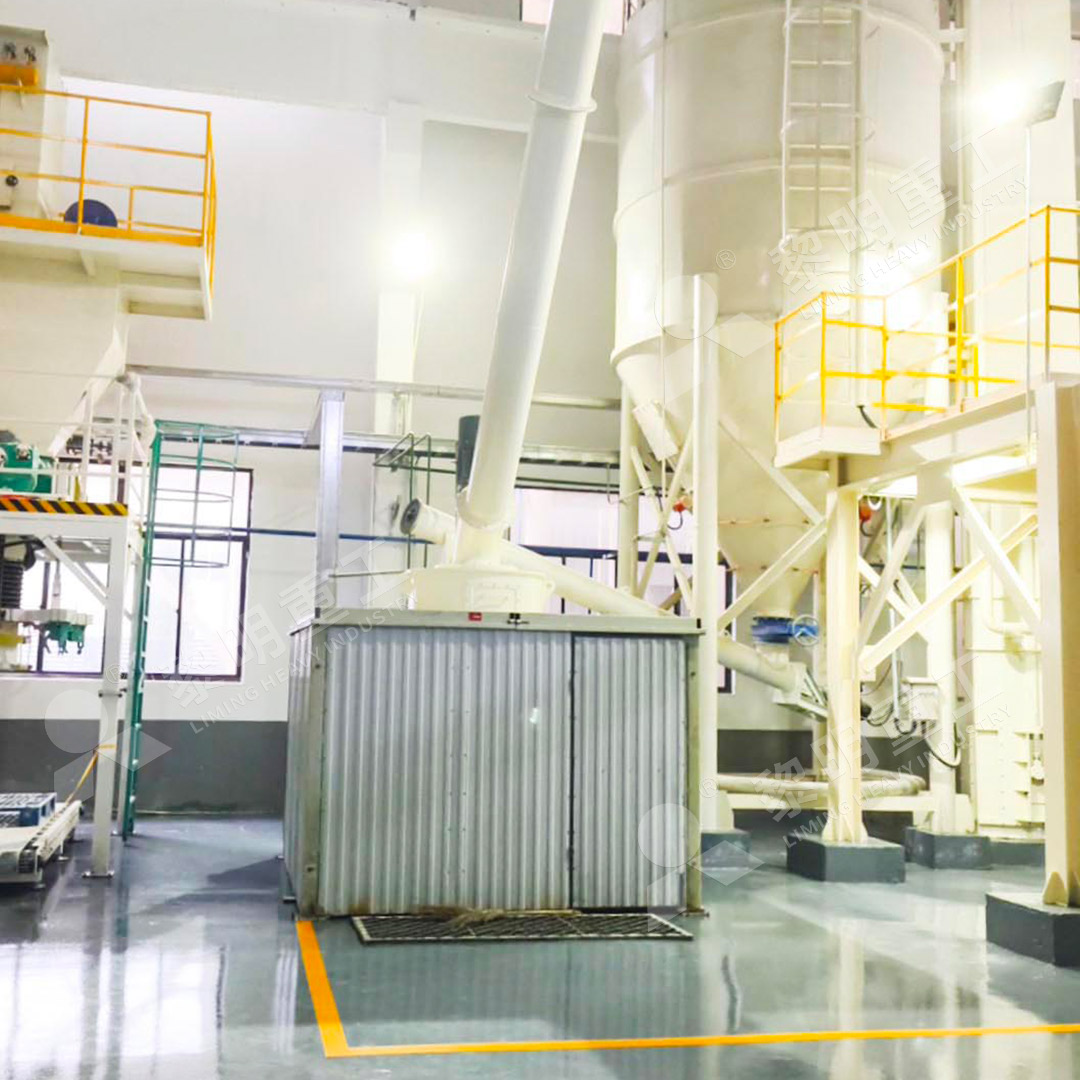
For operations requiring not just fine but ultra-fine powders, the technological leap is even greater. This is where our advanced grinding solutions excel. Consider our MW Ultrafine Grinding Mill, a machine engineered for the most demanding fine powder production. With an adjustable fineness range between 325-2500 meshes and a unique design that eliminates rolling bearings and screws within the grinding chamber, it addresses both precision and reliability concerns. Its efficient pulse dust collector ensures the entire production process is environmentally sound, a crucial factor when processing advanced materials. For SiC aiming for the superfine market, this mill offers a yield 40% higher than jet mills with only 30% of the energy consumption.
Selecting the Right Equipment: Key Considerations
Choosing the correct mill for Silicon Carbide is not a one-size-fits-all decision. Process engineers must evaluate several factors:
- Target Fineness & Output: Required particle size distribution and hourly capacity dictate the mill type and size.
- Product Purity: Minimizing contamination from grinding media wear is paramount for high-value SiC applications.
- Energy Efficiency: Grinding hard materials is energy-intensive; modern mills with optimized grinding curves and classifiers offer substantial savings.
- System Integration: A complete system includes feeding, grinding, classifying, collecting, and dust control working in harmony.
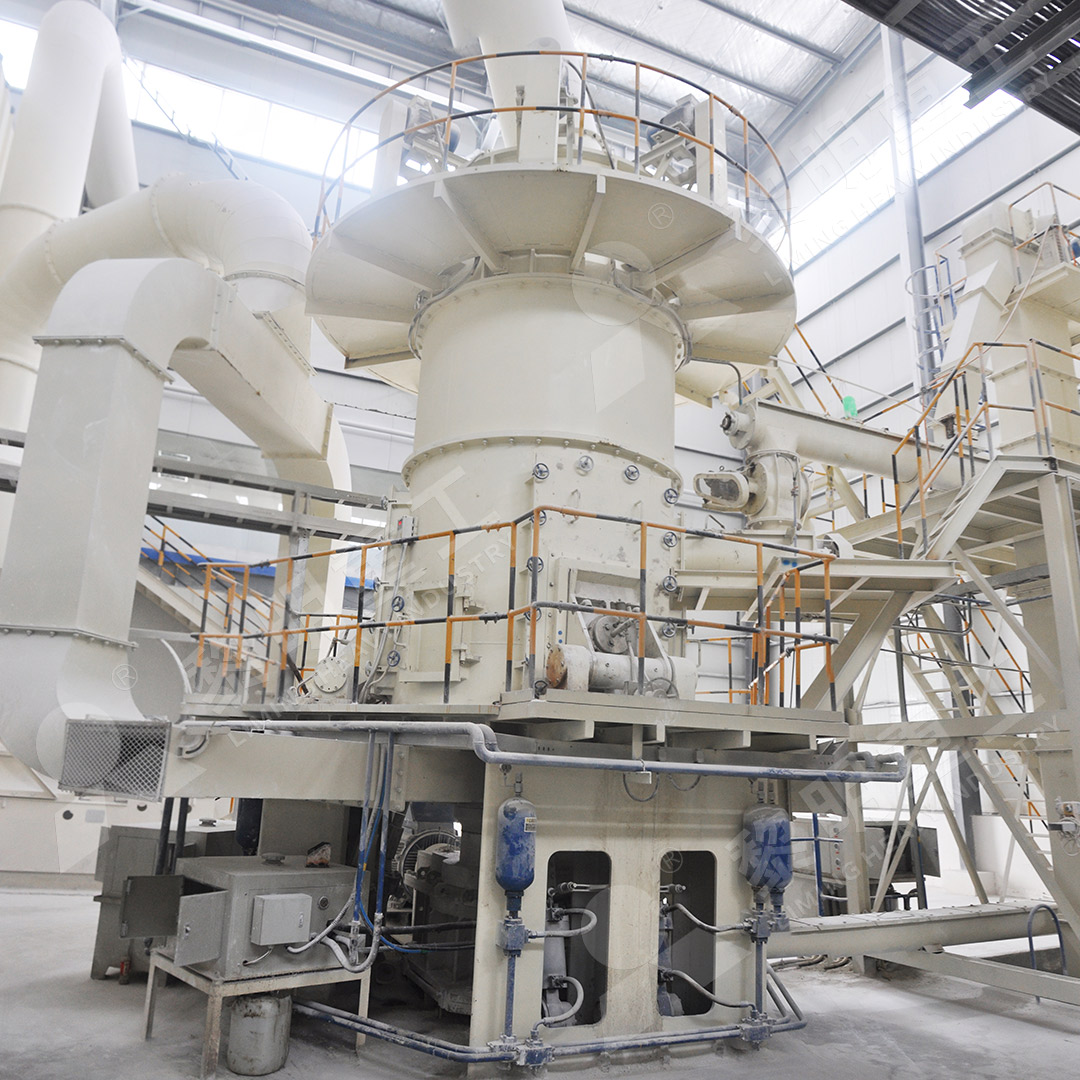
Another standout in our portfolio for high-efficiency processing is the LUM Ultrafine Vertical Grinding Mill. Its vertical design integrates grinding, classifying, and transporting in a single, compact unit. For SiC processing, its reversible structure is a game-changer—allowing grinding rollers to be easily moved out for maintenance or inspection of wear parts, drastically reducing downtime. Furthermore, its double position-limiting technology protects the mill from destructive vibration, ensuring stable, continuous operation essential for consistent powder quality.
Best Practices for Grinding Silicon Carbide
To maximize the lifespan of your equipment and the quality of your SiC powder, adherence to operational best practices is essential:
- Pre-Crushing: Feed material should be pre-crushed to the mill’s optimal input size (e.g., 0-20mm for the MW Mill, 0-10mm for the LUM Mill) to reduce stress on the grinding assembly.
- Consistent Feeding: Use a regulated feeder to ensure a steady, even flow of material into the grinding chamber, preventing overloads and promoting uniform wear.
- Monitor Wear Parts: Regularly inspect grinding rollers, rings, and classifier blades. Using original, high-wear-resistant spare parts is critical to maintain performance and avoid contamination.
- Leverage Automation: Utilize the mill’s control systems to maintain consistent grinding pressure, classifier speed, and airflow for repeatable results.
Conclusion
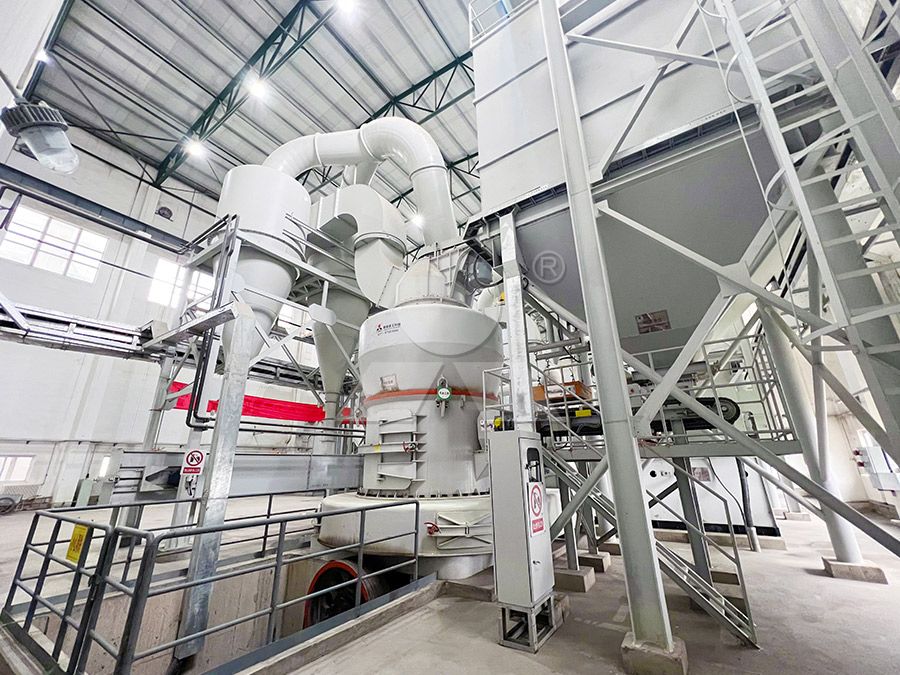
Successfully processing Silicon Carbide into high-quality powder requires more than just a robust machine; it demands a technologically advanced system designed for hardness, efficiency, and purity. The evolution of Raymond mill-based technology has produced solutions like the MW Ultrafine Grinding Mill and the LUM Ultrafine Vertical Grinding Mill, which are capable of meeting these rigorous challenges head-on. By selecting the appropriate equipment and following disciplined operational protocols, producers can achieve superior yields, lower operating costs, and a final product that meets the exacting standards of today’s high-tech industries.
Frequently Asked Questions (FAQs)
1. What is the main advantage of using your MW Ultrafine Grinding Mill for Silicon Carbide over a traditional ball mill?
The MW Mill offers significantly higher grinding efficiency and lower energy consumption—yielding up to twice the output of a ball mill for the same power. Crucially, its design eliminates rolling bearings and screws inside the grinding chamber, vastly reducing the risk of metallic contamination and unplanned downtime due to mechanical failure, which is a common concern when processing extremely abrasive materials like SiC.
2. How does the LUM Ultrafine Vertical Mill handle maintenance given the heavy weight of its grinding rollers?
The LUM Mill features a patented reversible structure. Using an integrated hydraulic system, the grinding rollers can be smoothly and safely swung out of the mill body. This provides direct and easy access for inspection, measurement, and replacement of the roller shell and liner plate without requiring extensive disassembly, significantly simplifying maintenance and reducing shutdown time.
3. What fineness range can I achieve for Silicon Carbide powder with your equipment?
Our equipment covers a broad spectrum. The MW Ultrafine Grinding Mill can precisely adjust product fineness between 325 and 2500 meshes, achieving a d97 ≤5μm cut point. The LUM Ultrafine Vertical Mill, with its advanced multi-head powder separating technology, also achieves comparable ultra-fine ranges, allowing you to target specific micron-level requirements for advanced applications.
4. Are your mills equipped to control dust and noise during SiC processing?
Absolutely. Both the MW and LUM mills are designed as fully enclosed, negative-pressure systems. They are equipped with high-efficiency pulse jet dust collectors that capture over 99.9% of process dust, and integrated mufflers or noise reduction cabins to keep operational noise well within environmental standards, ensuring a clean and compliant workspace.
5. Do you provide technical support and genuine spare parts for long-term operation?
Yes, we take full responsibility for every machine we produce. We provide comprehensive technical services, from installation commissioning to operational training. Most importantly, we guarantee a sufficient supply of original, high-quality spare parts—especially the wear-resistant grinding rollers, rings, and classifier components—to ensure your worry-free, continuous operation for years to come.