
Silica Stone Grinding Mill Process Flow and Equipment Configuration
We provide a wide range of mills — including Raymond mill, trapezoidal mill, vertical mill, ultrafine mill, and ball mill, obtained ISO9001 international quality certification, EU CE certification, and Customs Union CU-TR certification. Suitable for processing minerals such as limestone, phosphate, quicklime, kaolin, talc, barite, bentonite, calcium carbonate, dolomite, coal, gypsum, clay, carbon black, slag, cement raw materials, cement clinker, and more.
The discharge range of these mills can be adjusted to meet specific processing needs, typically from 80-400 mesh, 600-3250 mesh, and can achieve the finest particle size of up to 6000 mesh(D50).
If you are looking for a reliable grinding solution to turn stone or minerals into fine powder, please feel free to contact our online customer service.
Silica Stone Grinding Mill Process Flow and Equipment Configuration
Silica stone, a critical raw material for glass, ceramics, foundry, and construction industries, requires precise processing to achieve the desired fineness and purity. The grinding process is central to unlocking its value, transforming raw ore into high-quality powder. This article outlines a professional process flow and discusses optimal equipment configuration for efficient silica stone milling operations.
1. Process Flow: From Raw Ore to Finished Powder
The journey of silica stone from quarry to powder follows a systematic, multi-stage process designed for efficiency and product quality control.
Stage 1: Primary Crushing and Pre-Screening
Large silica stone blocks extracted from the mine are first reduced in size using a jaw crusher or hammer crusher. The target here is to achieve a feed size suitable for the grinding mill, typically below 50mm. A vibrating screen is often employed to remove fine particles already at specification, bypassing the grinding circuit to improve overall system efficiency and reduce wear.
Stage 2: Grinding and Classification
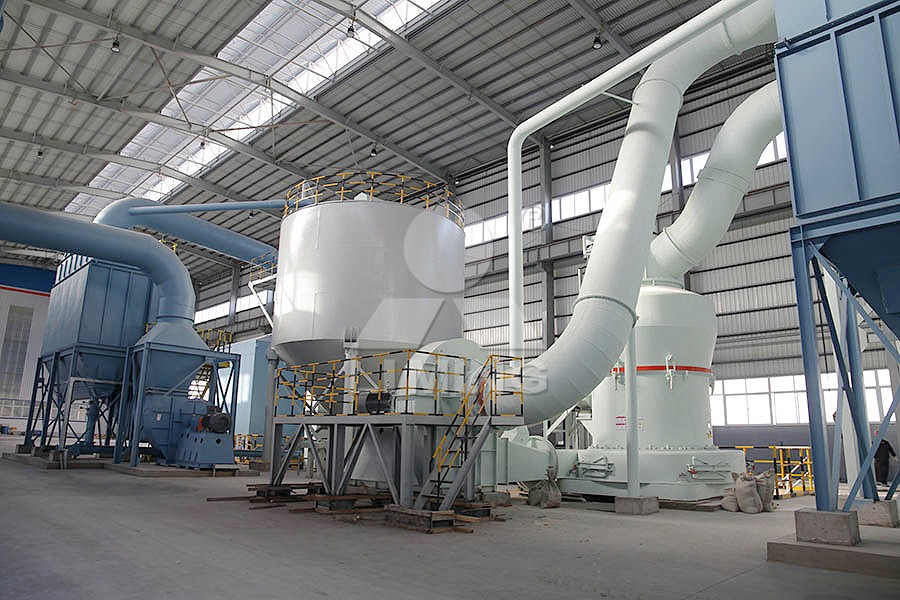
This is the core of the operation. The pre-crushed material is fed into the grinding mill. Inside the mill, mechanical forces—compression, impact, and attrition—break down the particles. Simultaneously, a dynamic air classifier or separator integrated within the mill system continuously sorts the ground material. Coarse particles are rejected and returned for further grinding, while fine particles meeting the target size are carried by the air stream to the next stage. This closed-circuit grinding ensures consistent fineness and prevents over-grinding.
Stage 3: Product Collection and Dedusting
The fine powder-laden air from the mill enters a high-efficiency cyclone collector or a baghouse filter. Here, the silica powder is separated from the air stream and collected via a discharge valve. The cleaned air is then recirculated back into the grinding system by a fan, creating a negative-pressure, dust-free environment. For ultra-fine applications requiring exceptional purity, additional polishing with pulse-jet bag filters is standard.
2. Critical Equipment Selection and Configuration
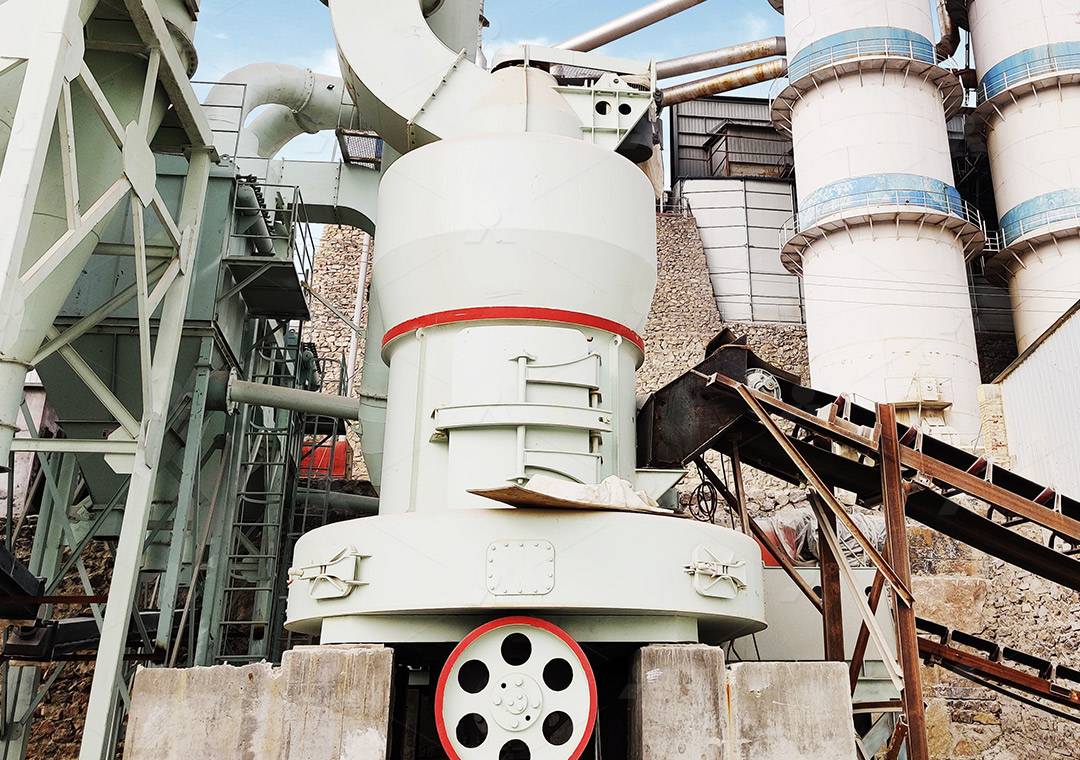
Choosing the right grinding mill is paramount. The selection depends on required capacity, input size, and most critically, the target fineness (mesh size). For coarse to medium grinding (20-325 mesh), traditional Raymond mills or European-type trapezium mills are effective. However, for producing high-value ultra-fine silica powder (325-2500 mesh), advanced grinding technologies are essential.
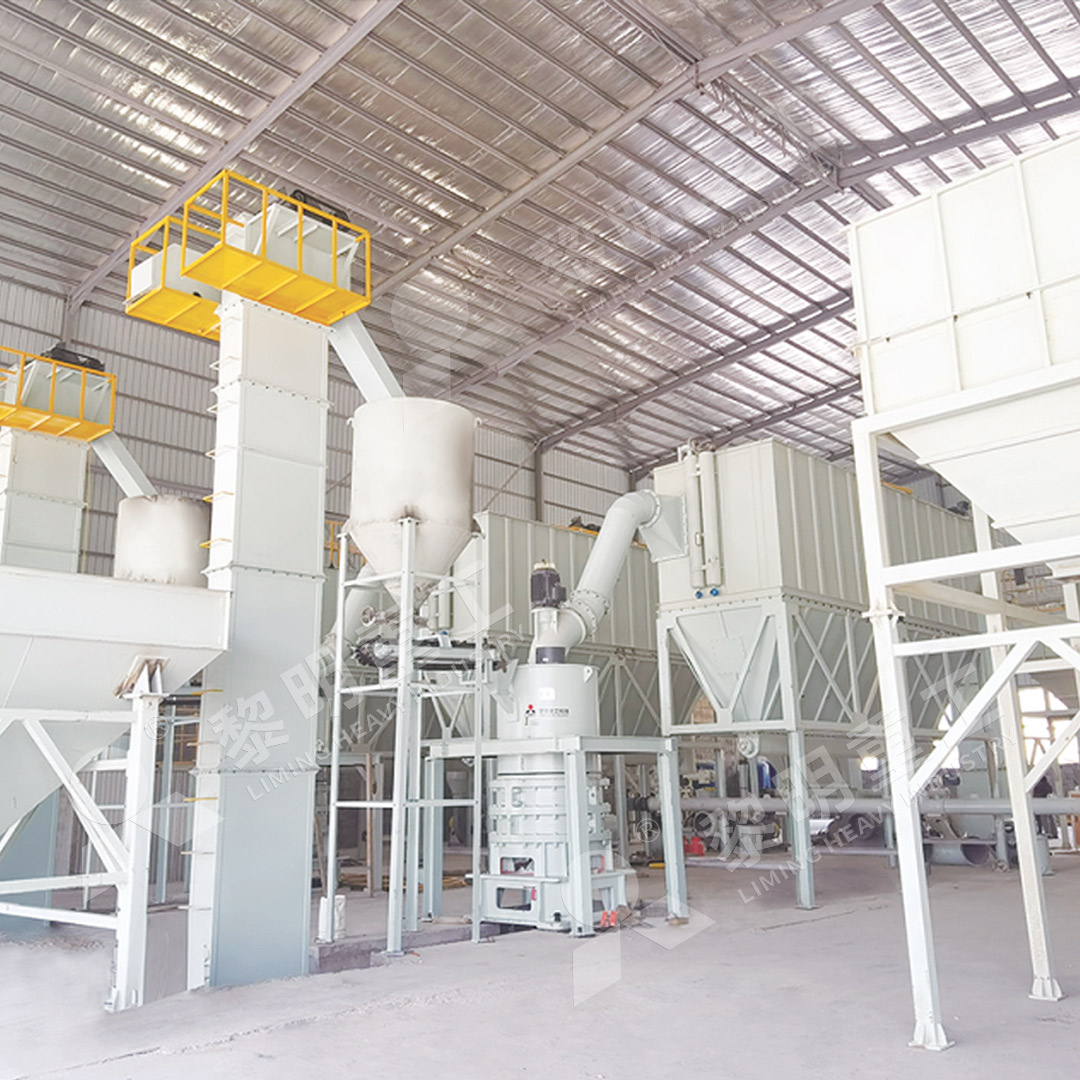
In such demanding applications, the MW Ultrafine Grinding Mill stands out as a superior solution. Engineered for customers who need to make ultra-fine powder, this machine is a game-changer. It accepts feed sizes up to 20mm and offers a capacity range of 0.5 to 25 tons per hour. Its defining feature is the German-technology cage-type powder selector, which allows precise fineness adjustment between 325 and 2500 meshes, achieving a remarkable d97≤5μm in a single pass. Furthermore, its innovative design eliminates rolling bearings and screws inside the grinding chamber, drastically reducing maintenance worries and the risk of mechanical failure. The mill is equipped with an efficient pulse dust collector and muffler, ensuring the entire production process is eco-friendly with minimal dust and noise.
For operations prioritizing high capacity with vertical integration, the LUM Ultrafine Vertical Grinding Mill is another excellent choice. It integrates grinding, classifying, and conveying with a compact footprint. With an input size of 0-10mm and capacity of 5-18 tph, it excels in stability and energy efficiency. Its unique roller shell design and multi-head powder separating technology, controlled by a PLC system, enable high-yield production of fine powder while reducing energy consumption by 30%-50% compared to common mills. Its reversible structure also allows for easier and faster maintenance of grinding rollers.
3. System Integration and Best Practices
A successful silica grinding plant is more than just a mill. It requires careful integration of auxiliary equipment:
- Feeding System: Vibrating feeders or screw conveyors ensure a steady, controllable feed rate to the mill, which is crucial for stable operation and optimal grinding pressure.
- Drying System: If the raw silica stone has high moisture content, a pre-dryer or a mill with integrated hot air supply (like vertical mills) is necessary to prevent clogging and ensure grinding efficiency.
- Electrical & Control System: Modern PLC-based control panels allow for automated operation, remote monitoring, and precise adjustment of parameters like classifier speed and feeding rate, ensuring consistent product quality.
- Packing System: Automated valve bag packers or bulk silos are used for final product handling, preserving the quality of the fine powder.
Regular maintenance focused on wear parts (grinding rollers, rings, liners) and the dust collection system is key to maximizing uptime and longevity. Partnering with a manufacturer that provides comprehensive technical support and genuine spare parts, like LIMING, ensures worry-free operation over the long term.
Conclusion
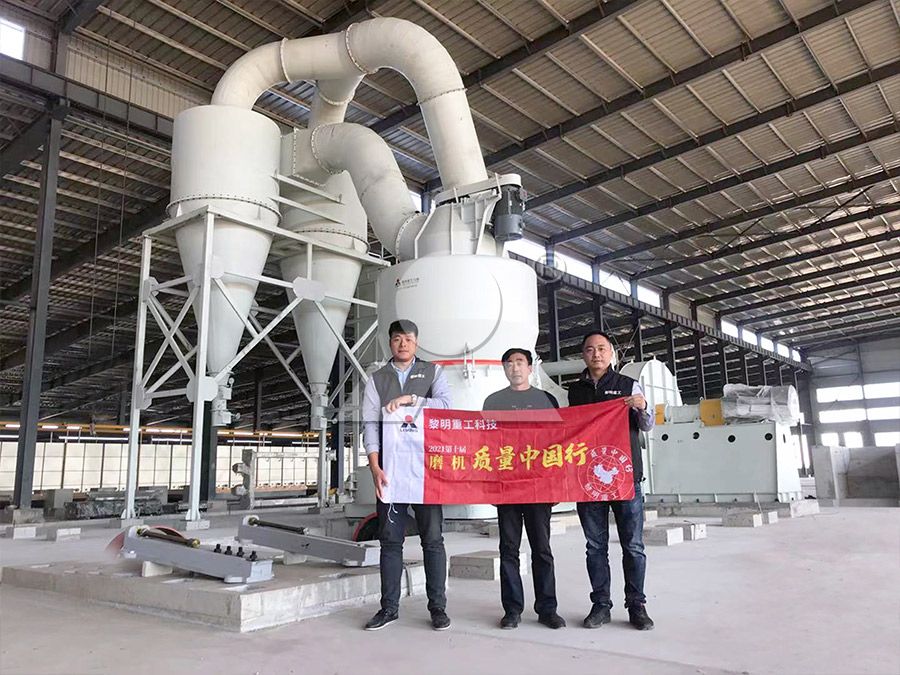
An optimized silica stone grinding process hinges on a well-designed flow and the correct selection of high-performance equipment. By leveraging advanced mills like the MW Ultrafine Grinding Mill or the LUM Ultrafine Vertical Grinding Mill, producers can achieve unparalleled fineness control, higher yields, lower energy consumption, and environmentally sound production. This strategic approach not only meets stringent market specifications but also delivers a significant competitive advantage in the high-value silica powder sector.
Frequently Asked Questions (FAQ)
1. What is the typical fineness range achievable for silica stone grinding?
Depending on the mill technology, silica can be ground from coarse sand (20 mesh) to ultra-fine powders exceeding 2500 mesh. For ultra-fine applications (325-2500 mesh), mills with advanced dynamic classifiers, such as the MW Series, are specifically designed to provide precise and adjustable fineness control.
2. How is dust controlled in a silica grinding plant?
Modern grinding systems operate under negative pressure and are fully enclosed. High-efficiency pulse-jet bag dust collectors are integral to equipment like the MW Mill, capturing over 99.9% of airborne particles. This ensures no dust spillage, protecting both the environment and worker health while also recovering valuable product.
3. What are the main advantages of vertical roller mills for silica grinding?
Vertical mills like the LUM Series integrate multiple processes (grinding, drying, classification) into a single unit, offering a smaller footprint, lower energy consumption (30-50% savings vs. ball mills), and strong drying capability. Their material-on-material grinding principle also results in lower iron contamination, which is vital for high-purity silica applications.
4. How important is the classifier in an ultra-fine grinding mill?
The classifier is the heart of fineness control. Advanced cage-type or multi-head turbo classifiers, as used in the MW Mill, enable precise “cut-point” adjustment and high screening efficiency. This allows production of tightly graded powders and prevents energy waste from over-grinding already fine particles.
5. What maintenance considerations are specific to silica grinding?
Silica is highly abrasive. Therefore, the wear resistance of grinding components (rollers, rings, liners) is critical. Choosing mills with wear-resistant alloys and designs that facilitate easy maintenance—such as the external lubrication and reversible roller structures offered by LIMING mills—significantly reduces downtime and operating costs.
6. Can the same mill process silica of different hardness or moisture levels?
Yes, but configuration may need adjustment. Mills with robust construction and hydraulic or spring pressure systems can handle variations in hardness. For high-moisture feed, selecting a mill with a hot air inlet (like vertical or trapezium mills) is essential for effective in-line drying during the grinding process.