
Silica Black Production Equipment: Turning Coal Gangue into High-Value Additive
We provide a wide range of mills — including Raymond mill, trapezoidal mill, vertical mill, ultrafine mill, and ball mill, obtained ISO9001 international quality certification, EU CE certification, and Customs Union CU-TR certification. Suitable for processing minerals such as limestone, phosphate, quicklime, kaolin, talc, barite, bentonite, calcium carbonate, dolomite, coal, gypsum, clay, carbon black, slag, cement raw materials, cement clinker, and more.
The discharge range of these mills can be adjusted to meet specific processing needs, typically from 80-400 mesh, 600-3250 mesh, and can achieve the finest particle size of up to 6000 mesh(D50).
If you are looking for a reliable grinding solution to turn stone or minerals into fine powder, please feel free to contact our online customer service.
Silica Black Production Equipment: Turning Coal Gangue into High-Value Additive
The mineral processing industry faces a dual challenge: managing industrial waste while creating sustainable value. Coal gangue, a byproduct of coal mining, has long been considered problematic waste. However, advanced grinding technology now enables its transformation into silica black, a high-value additive used in construction, plastics, and rubber industries.
The Science Behind Silica Black Production
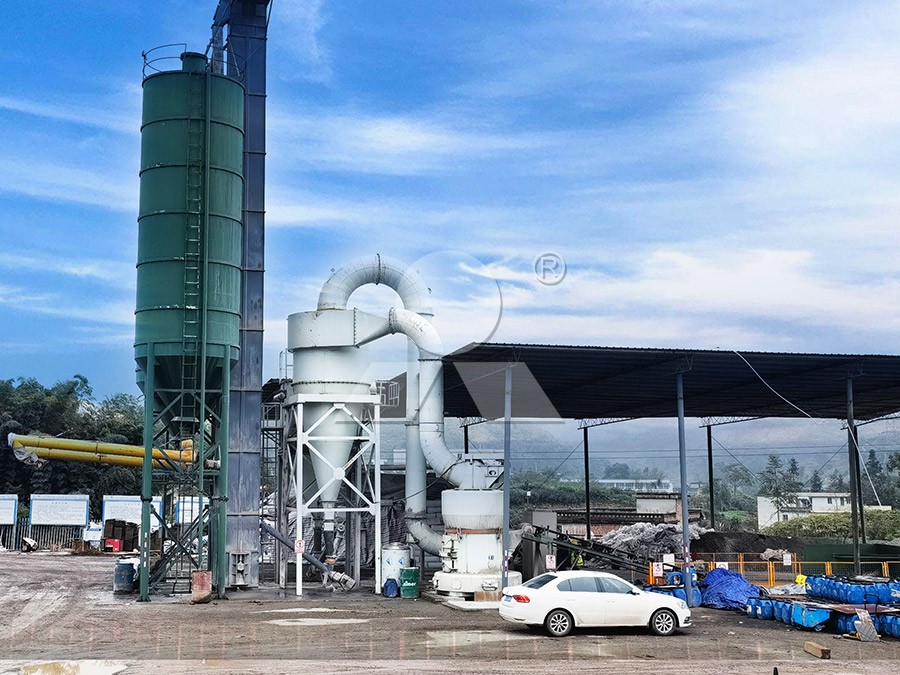
Producing quality silica black requires precise particle size control and consistent fineness. The transformation begins with raw coal gangue, which contains significant silica content. Through specialized grinding processes, this material is reduced to ultrafine powders with specific surface areas and particle distributions that make it valuable as a functional filler.
The key challenge lies in achieving the optimal fineness range between 325-2500 meshes while maintaining energy efficiency and production consistency. Traditional grinding methods often fall short in both precision and operational economy.
Advanced Grinding Solutions for Maximum Value
Modern silica black production demands equipment capable of handling abrasive materials while delivering precise particle size distribution. Our MW Ultrafine Grinding Mill represents a breakthrough in this field. With an input size capacity of 0-20 mm and production rates ranging from 0.5 to 25 tph, this system is specifically engineered for high-value additive production.
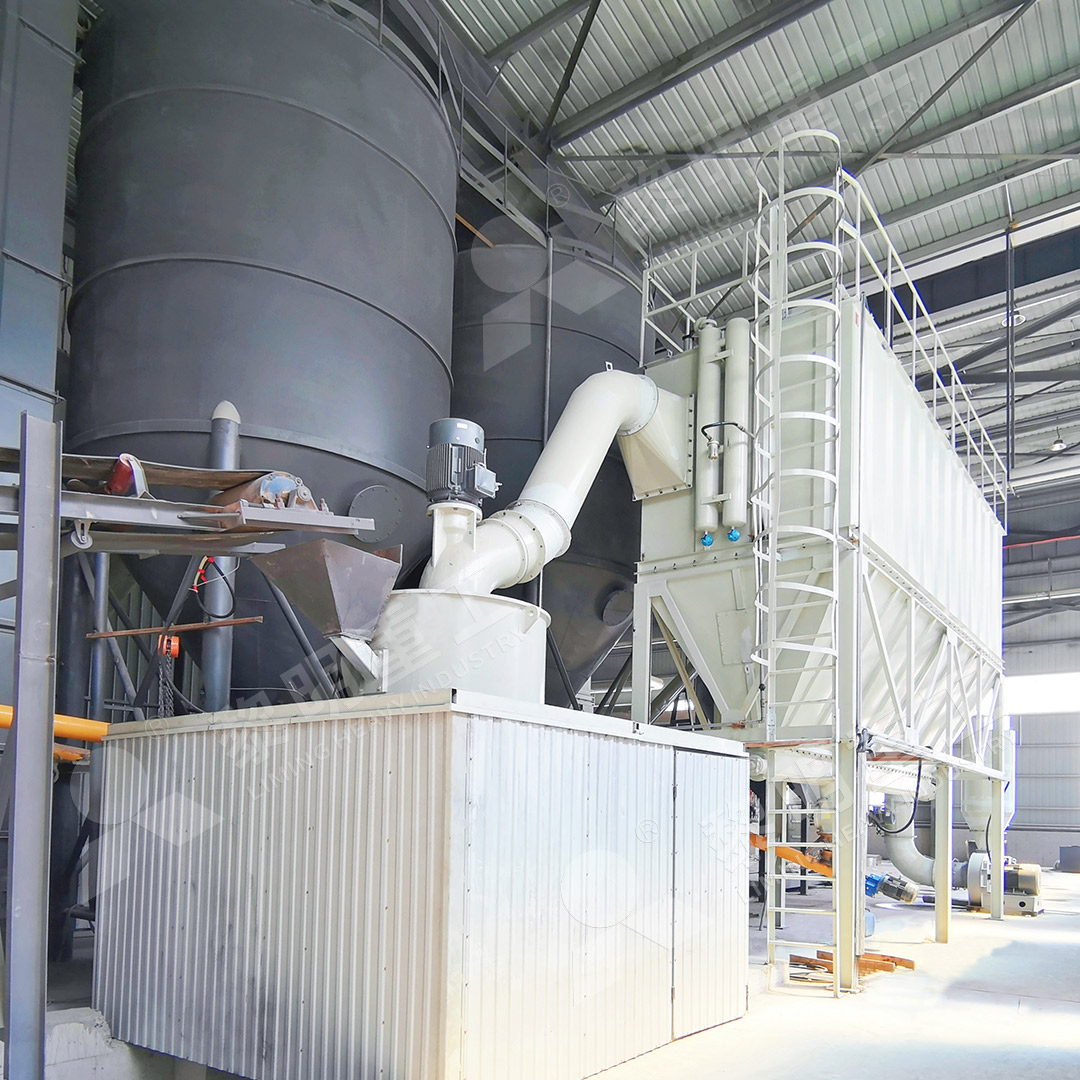
The MW series incorporates several innovative features that make it ideal for silica black applications. Its cage-type powder selector, incorporating German technology, ensures precise separation with fineness adjustable between 325-2500 meshes. The unique design eliminates rolling bearings and screws within the grinding chamber, significantly reducing maintenance concerns and potential contamination.
Environmental and Operational Advantages
Beyond technical specifications, the environmental performance of grinding equipment is increasingly critical. The MW Ultrafine Grinding Mill addresses this through integrated pulse dust collection and noise reduction systems. The equipment operates with 40% higher production capacity compared to jet grinding mills while consuming only 30% of the energy, making it both economically and environmentally superior.
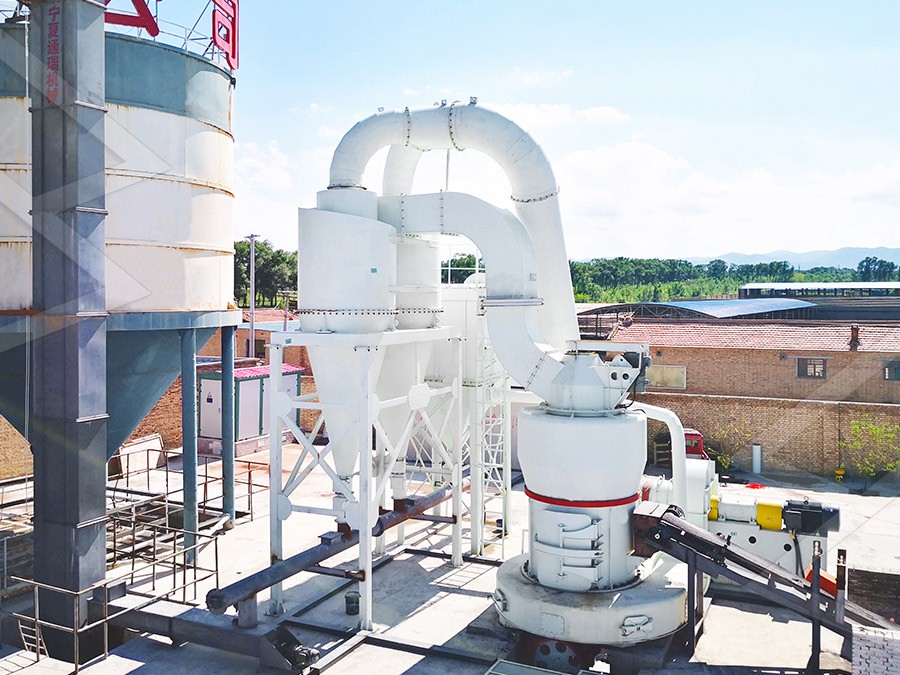
For operations requiring even higher precision and specialized handling of ultra-fine materials, our LUM Ultrafine Vertical Grinding Mill offers additional advantages. With input size handling up to 10 mm and capacity ranging from 5-18 tph, the LUM mill features advanced powder separating technology and unique roller shell designs that enhance material layer formation and product whiteness.
Practical Implementation Considerations
Successful silica black production requires more than just selecting the right equipment. Plant layout, material handling, and quality control systems must be integrated seamlessly. The compact design of modern grinding mills allows for flexible installation options, while digital control systems enable precise parameter adjustments for different product specifications.
Operational experience shows that proper maintenance scheduling and spare parts management are crucial for continuous production. Equipment designed with external lubrication systems and reversible structures significantly reduces downtime during maintenance operations.
Frequently Asked Questions
What is the typical energy consumption for silica black production?
Modern grinding systems like the MW Ultrafine Grinding Mill typically consume 30-50% less energy than traditional mills, with specific consumption varying based on target fineness and material characteristics.
How does coal gangue quality affect the final product?
Gangue composition, particularly silica content and impurity levels, directly influences product quality. Consistent feedstock and proper pre-processing are essential for uniform results.
What maintenance requirements should operators expect?
Advanced designs minimize maintenance needs, but regular inspection of grinding elements and separator components remains important. Most modern mills feature external access points to simplify these procedures.
Can the same equipment process other materials?
Yes, equipment like the MW and LUM mills are versatile and can handle various minerals including limestone, calcite, and talc, allowing operators to diversify production as market demands change.