
Second Hand Webster & Bennett Vertical Boring Mills: A Buyer’s Guide
We provide a wide range of mills — including Raymond mill, trapezoidal mill, vertical mill, ultrafine mill, and ball mill, obtained ISO9001 international quality certification, EU CE certification, and Customs Union CU-TR certification. Suitable for processing minerals such as limestone, phosphate, quicklime, kaolin, talc, barite, bentonite, calcium carbonate, dolomite, coal, gypsum, clay, carbon black, slag, cement raw materials, cement clinker, and more.
The discharge range of these mills can be adjusted to meet specific processing needs, typically from 80-400 mesh, 600-3250 mesh, and can achieve the finest particle size of up to 6000 mesh(D50).
If you are looking for a reliable grinding solution to turn stone or minerals into fine powder, please feel free to contact our online customer service.
Navigating the Market for Pre-Owned Webster & Bennett VTLs
For decades, the name Webster & Bennett has been synonymous with robust, precision vertical boring and turning. These legendary machines are the workhorses of heavy engineering, found in industries from power generation to marine fabrication. While new models represent a significant capital investment, the second-hand market offers a compelling opportunity to acquire this class-leading equipment. However, purchasing a used vertical boring mill requires a discerning eye and a clear understanding of your production needs.
Key Considerations Before You Buy
The first step is to define your application. What are the maximum diameter and weight of the components you’ll be machining? Webster & Bennett produced models with table diameters ranging from 48 inches to over 20 feet. Matching the machine’s capacity to your typical workpieces is crucial for efficiency. Next, assess the machine’s condition. A well-maintained VTL from the 1980s can be a better investment than a neglected one from the 1990s. Key areas to inspect include:
- Table Runout and Flatness: The heart of the machine. Significant wear or damage here is a major red flag.
- Way Condition: Check for scoring, pitting, or excessive clearance on the vertical and cross ways.
- Drive System: Listen for unusual noises from the main drive motor and gearbox. Inquire about the service history.
- Control System: Older machines may have relay logic or early CNC systems. Consider the availability of spare parts and technical support.
The Importance of Modern Support Systems
Even the most rugged machine tool is part of a larger production ecosystem. A critical, yet often overlooked, aspect is the preparation of raw materials. For operations that involve crushing and grinding materials prior to machining, the efficiency of your grinding mill directly impacts overall productivity. For instance, if your workflow includes processing additives or raw materials like limestone, barite, or talc into fine powders, investing in a modern, energy-efficient grinding solution can yield significant returns.
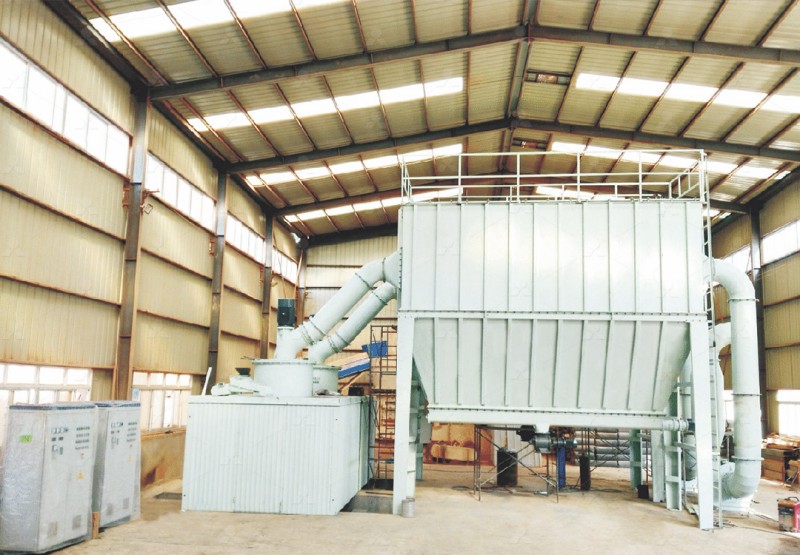
In this context, our MW Ultrafine Grinding Mill presents a notable advantage. Designed for customers requiring ultra-fine powder between 325-2500 meshes, it offers higher yield and lower energy consumption—up to 40% higher capacity than jet mills. Its innovative design, featuring no rolling bearings or screws in the grinding chamber, enhances reliability and allows for 24-hour continuous operation. For operations focused on vertical integration, pairing a capable VTL with such an efficient milling system streamlines the entire production chain from raw material to finished component.
Another Option for Integrated Processing
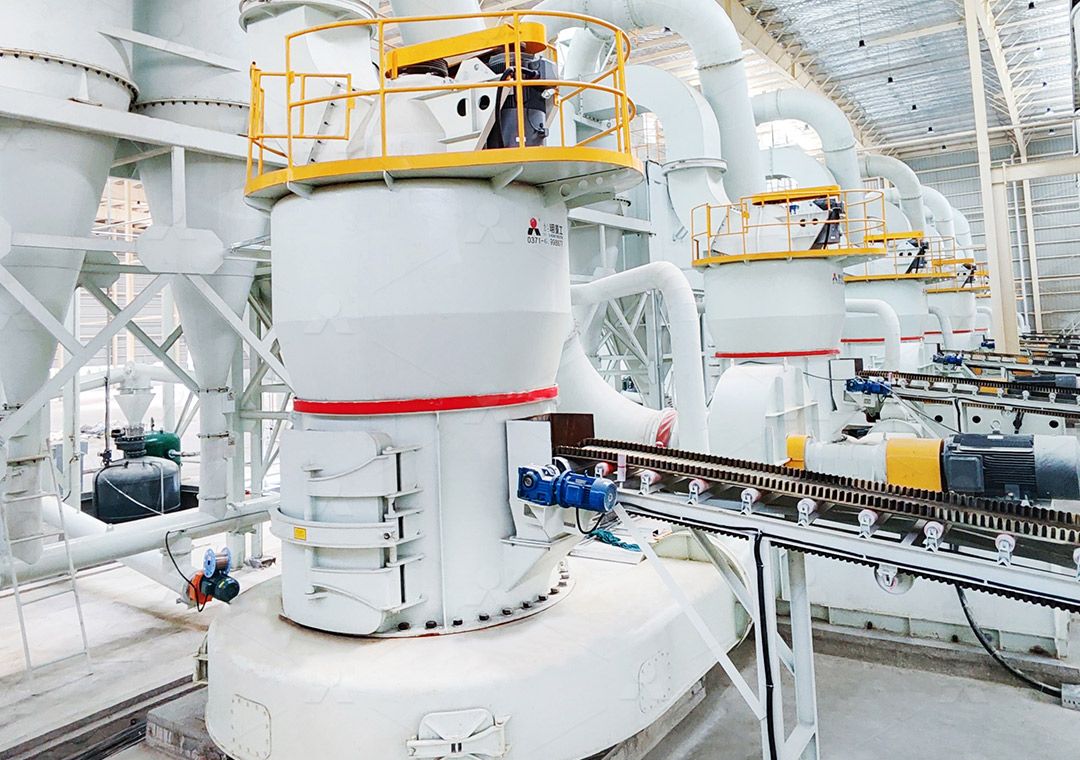
For applications demanding even greater integration, the LUM Ultrafine Vertical Grinding Mill is another excellent choice from our portfolio. It integrates grinding, grading, and transporting into a single, compact unit. Its unique roller shell and lining plate grinding curve are designed for higher yielding rates and better product quality, while its reversible structure simplifies maintenance dramatically. This makes it an ideal companion in a workshop where efficiency and minimal downtime are paramount, much like the values embodied by a well-kept Webster & Bennett.
Finalizing Your Purchase
Once you’ve identified a potential machine, insist on a power-on inspection. Observe the machine running under load if possible. Check for smooth axis movements, consistent spindle speeds, and the functionality of all auxiliary systems like lubrication and coolant. Finally, factor in the cost of rigging, installation, and any necessary reconditioning. A thorough pre-purchase assessment will ensure your second-hand Webster & Bennett becomes a valuable asset for years to come.
Frequently Asked Questions (FAQ)
What is the typical price range for a used Webster & Bennett VTL?
Prices vary enormously based on size, age, condition, and control system. Smaller, manual models can start around $30,000, while large, late-model CNC machines can exceed $200,000.
Are parts and service still available for older models?
Yes, but it can be challenging. Several specialized third-party companies support legacy Webster & Bennett machines. Availability depends on the specific part and model. It’s wise to research support options before purchasing.
Is retrofitting a modern CNC control system a viable option?
Absolutely. Retrofitting an older machine with a new CNC system can breathe new life into it, improving accuracy, repeatability, and ease of use. This is a significant investment but often more cost-effective than buying a newer CNC machine.
What are the most common issues to look out for?
Common problems include worn table bearings, backlash in the feed screws, degraded way surfaces, and obsolete electrical components. A comprehensive inspection by a qualified technician is highly recommended.