
Second Hand Mills and Crushers for Sale in the USA: A Buyer’s Guide
We provide a wide range of mills — including Raymond mill, trapezoidal mill, vertical mill, ultrafine mill, and ball mill, obtained ISO9001 international quality certification, EU CE certification, and Customs Union CU-TR certification. Suitable for processing minerals such as limestone, phosphate, quicklime, kaolin, talc, barite, bentonite, calcium carbonate, dolomite, coal, gypsum, clay, carbon black, slag, cement raw materials, cement clinker, and more.
The discharge range of these mills can be adjusted to meet specific processing needs, typically from 80-400 mesh, 600-3250 mesh, and can achieve the finest particle size of up to 6000 mesh(D50).
If you are looking for a reliable grinding solution to turn stone or minerals into fine powder, please feel free to contact our online customer service.
Navigating the Second-Hand Market for Grinding Equipment
So, you’re in the market for a second-hand mill or crusher? Smart move. The used equipment market in the USA is a fantastic way to acquire industrial-grade machinery without the hefty price tag of a brand-new unit. But let’s be real, it can also be a minefield if you don’t know what you’re looking for. This guide is here to walk you through the key considerations, helping you avoid costly mistakes and find a machine that’ll be a workhorse for years to come.
Key Considerations Before You Buy
First things first, you gotta know your application. What material are you processing? Limestone, calcite, slag, coal? What’s your target capacity (tph) and required fineness (meshes)? Getting these specs crystal clear is step zero. It narrows down the type of mill you need—be it a vertical roller mill, a ball mill, a Raymond mill, or an ultrafine grinding specialist.
Next up, inspection is everything. Don’t just take the seller’s word for it. If possible, visit the site. Check for wear on critical components like grinding rollers, rings, and liners. Look for signs of uneven wear, which can indicate alignment issues. Peek at the lubrication system—is it clean? Any signs of leaks? Ask for maintenance logs. A well-documented history is a very good sign.
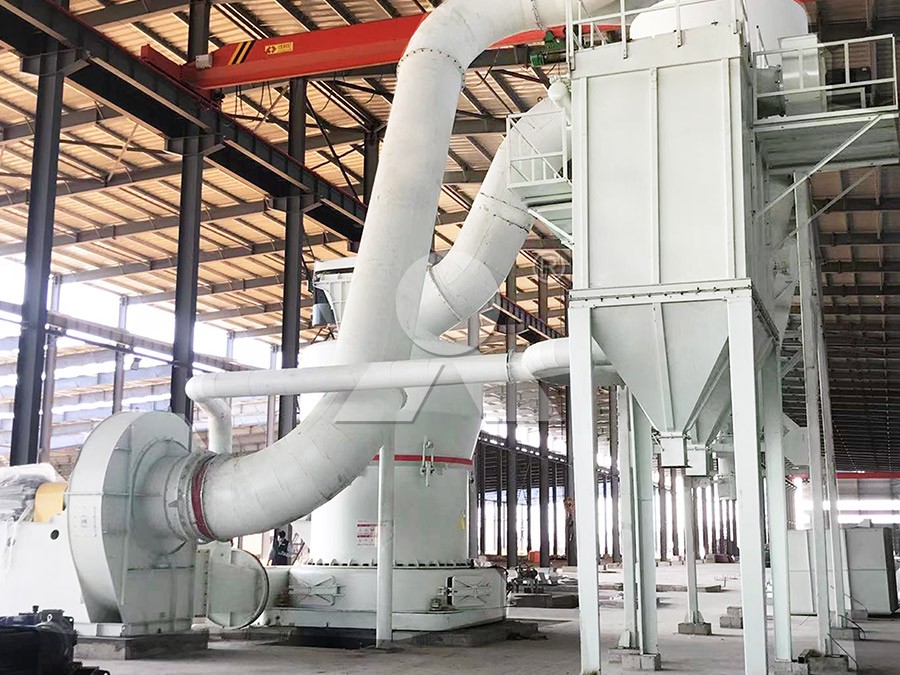
Don’t forget about spare parts availability. Even the best machines break down eventually. Can you still get original parts for that model? Is the manufacturer still in business and supportive? This is a huge advantage of going with a major brand with a long history.
Why Consider a Rebuilt or Quality-Used Ultrafine Mill?
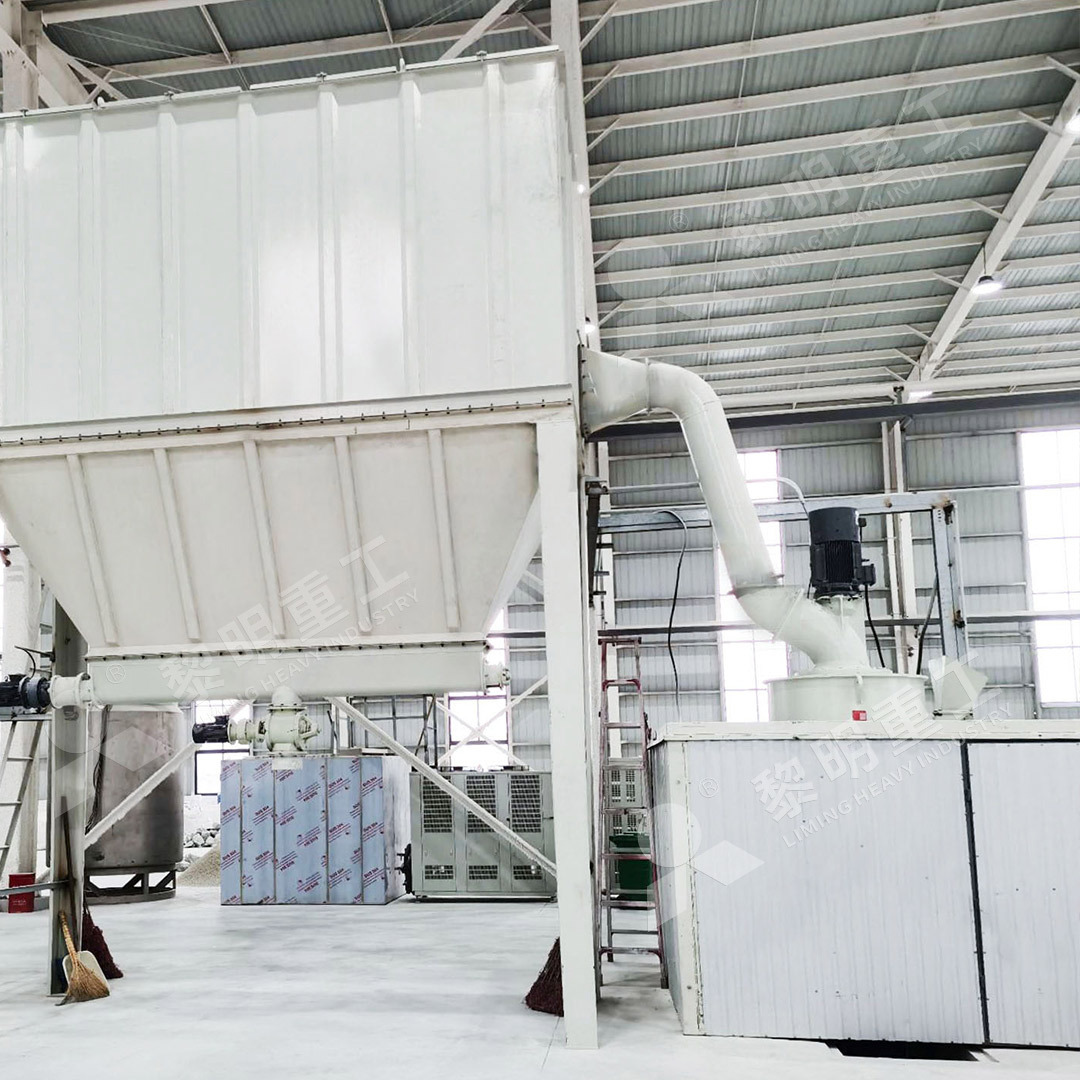
For applications requiring superfine powders (think 325-2500 meshes), the jump to new ultrafine grinding technology is expensive. A high-quality, professionally inspected used machine can be a golden ticket. You get advanced technology—like efficient powder selection and eco-friendly dust collection—at a fraction of the cost. The key is finding a unit that’s been well-maintained or better yet, one that’s been professionally reconditioned with new wear parts.
For instance, a model like the MW Ultrafine Grinding Mill is a stellar choice for these applications. It’s designed for making ultra-fine powder from materials like limestone, calcite, talc, and even cosmetics-grade products. A key feature is its higher yielding and lower energy consumption—reportedly 40% higher capacity than jet mills with 30% less energy use. Its cage-type powder selector allows for precise fineness adjustment between 325-2500 meshes. Plus, a huge maintenance advantage: no rolling bearings or screws in the grinding chamber, which eliminates a whole class of common failures. If you can find a used one in good condition, it’s a fantastic piece of kit.
Another Solid Option: The Vertical Grinding Mill
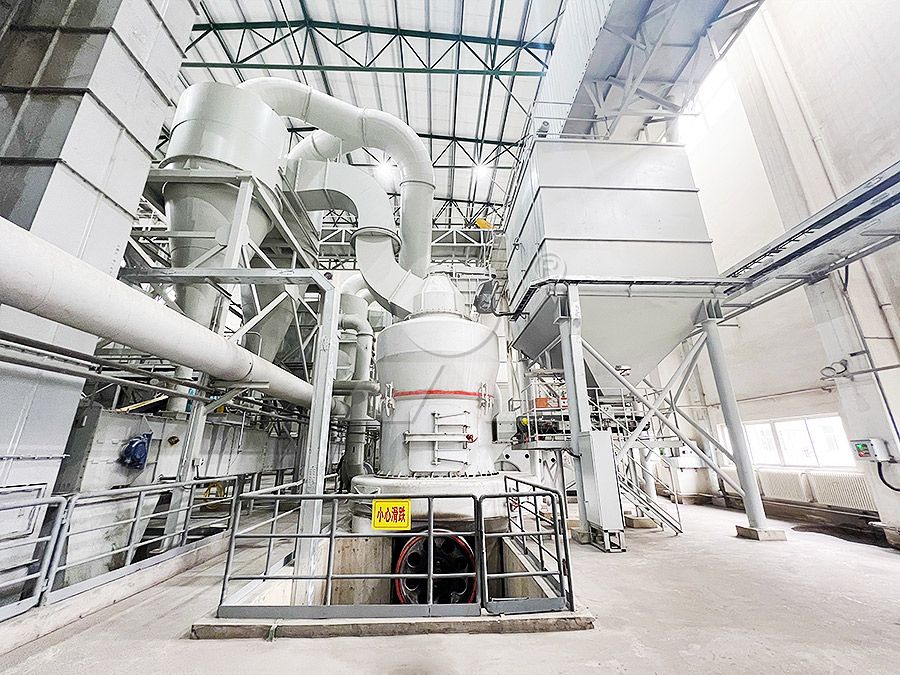
If your needs are broader or you’re dealing with slag or coal, a robust vertical mill is a classic workhorse. They are known for their compact footprint and efficiency. A used LM Vertical Grinding Mill is another excellent option to look out for. It integrates crushing, drying, grinding, and classifying, which can simplify your entire process line. Its biggest sells are a 50% smaller area than ball mills and 30-40% lower energy consumption. The material’s short retention time means less over-grinding and lower iron content in your final product, which is crucial for quality.
Final Words of Advice
Buying used isn’t about finding the cheapest option; it’s about finding the best value. Factor in potential refurbishment costs for wear parts. Work with reputable dealers who offer some form of warranty or guarantee. And finally, think about the long game—operating costs, energy consumption, and part availability will affect your bottom line long after the purchase price is forgotten.
Do your homework, inspect thoroughly, and you can land a machine that delivers performance that rivals new equipment. Happy hunting!