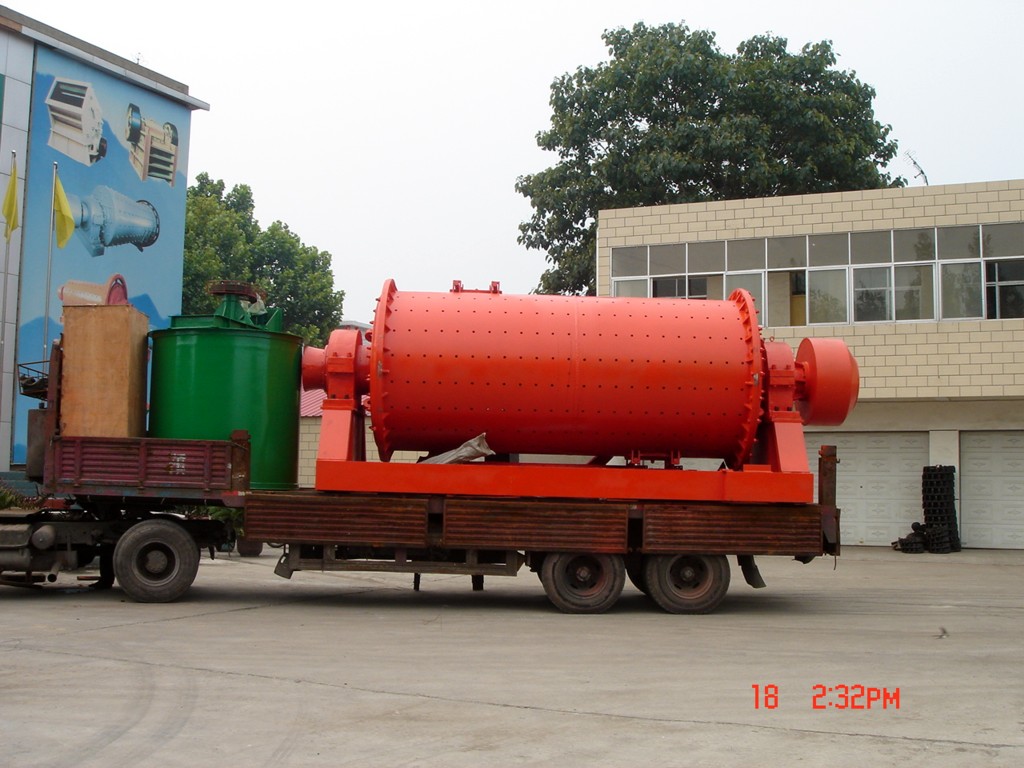
Second Hand Ball Mill for Sale in Indonesia: A Cost-Effective Solution
We provide a wide range of mills — including Raymond mill, trapezoidal mill, vertical mill, ultrafine mill, and ball mill, obtained ISO9001 international quality certification, EU CE certification, and Customs Union CU-TR certification. Suitable for processing minerals such as limestone, phosphate, quicklime, kaolin, talc, barite, bentonite, calcium carbonate, dolomite, coal, gypsum, clay, carbon black, slag, cement raw materials, cement clinker, and more.
The discharge range of these mills can be adjusted to meet specific processing needs, typically from 80-400 mesh, 600-3250 mesh, and can achieve the finest particle size of up to 6000 mesh(D50).
If you are looking for a reliable grinding solution to turn stone or minerals into fine powder, please feel free to contact our online customer service.
Second Hand Ball Mill for Sale in Indonesia: A Cost-Effective Solution
For many mining and industrial operations in Indonesia, acquiring reliable grinding equipment while managing capital expenditure is a constant balancing act. A second-hand ball mill often presents an attractive entry point, offering substantial cost savings compared to new machinery. However, savvy operators must weigh these initial savings against long-term operational efficiency and maintenance considerations.
The Indonesian market features various used ball mills, typically from decommissioned plants or upgrades. While a well-maintained used ball mill can provide years of service, it’s crucial to inspect the mill’s condition thoroughly. Key areas to assess include the liner thickness, gear wear, motor performance, and overall structural integrity. Purchasing from a reputable supplier who can provide service history is paramount.
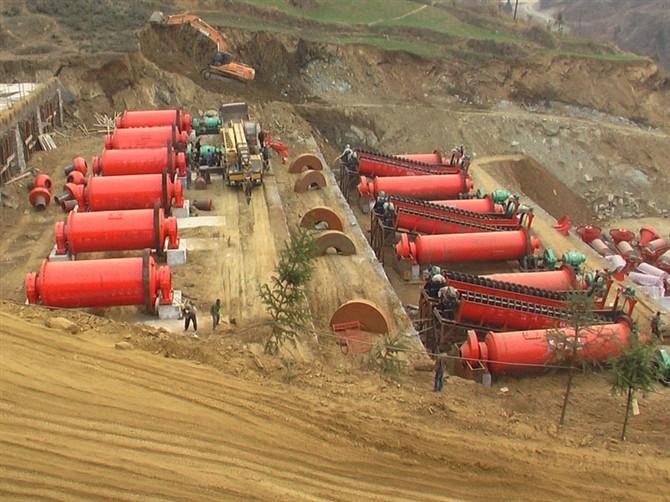
Beyond the Ball Mill: Modern Alternatives for Enhanced Efficiency
While a second-hand ball mill addresses the immediate need for cost reduction, forward-thinking operations should consider the total cost of ownership. Modern grinding technologies offer significant advantages in energy consumption, output quality, and operational stability. For operations processing materials like limestone, calcite, or dolomite into fine powders, an upgrade to a more advanced system can yield a rapid return on investment through lower power bills and higher throughput.
For those seeking a balance between advanced performance and cost-effectiveness, our MW Ultrafine Grinding Mill represents a compelling alternative. Designed for customers requiring ultra-fine powder, this machine boasts a capacity of 0.5-25 tph and can handle an input size of 0-20 mm. Its innovative design ensures higher yield with lower energy consumption—production capacity is 40% higher than jet mills and double that of a ball mill, while system energy consumption is just 30% of a jet mill. The integrated pulse dust collector and muffler make it an environmentally friendly choice, reducing both dust and noise pollution effectively.

Making the Right Choice for Your Operation
The decision between a used ball mill and a new, efficient mill hinges on your specific production goals, budget constraints, and long-term strategy. If your primary concern is minimal upfront investment and the material requirements are not excessively fine, a quality second-hand ball mill can be a practical solution. However, for operations focused on producing high-value, ultra-fine powders with consistency and low operational costs, investing in modern technology is the wiser path.
Another excellent option for achieving superior fineness is our LUM Ultrafine Vertical Grinding Mill. With an input size of 0-10 mm and a capacity of 5-18 tph, it integrates grinding, grading, and transporting into one efficient system. Its unique roller shell and lining plate grinding curve facilitate easier material layer generation, resulting in a high rate of finished products in a single pass. The PLC control system and multi-head powder separating technology allow for precise control, reducing energy consumption by 30%-50% compared to conventional mills.
Frequently Asked Questions (FAQ)
What should I check before buying a second-hand ball mill in Indonesia?
Inspect the mill’s mechanical components, including liners, gears, and the main bearing. Check the motor’s service history and ensure alignment is correct. A trial run is highly recommended to assess noise levels and vibration.
Are spare parts readily available for older ball mill models?
Availability can be challenging. It’s essential to verify the availability of critical spare parts like liners and gears before purchase. Opting for mills from manufacturers with a strong local presence, like LIMING, ensures better parts and service support.
How does the operational cost of a used ball mill compare to a new MW Ultrafine Grinding Mill?
While the used ball mill has a lower purchase price, its energy consumption is typically much higher. The MW Ultrafine Grinding Mill can reduce energy use by up to 70% compared to some older ball mills, leading to significantly lower operating costs over time.
Can the MW Ultrafine Grinding Mill handle the same materials as a traditional ball mill?
Yes, the MW Grinding Mill is suitable for a wide range of materials, including limestone, calcite, dolomite, gypsum, and barite, often with better efficiency and finer output than a ball mill.