
Schematic Diagram of a Coal Mill in Cement Manufacturing Process
We provide a wide range of mills — including Raymond mill, trapezoidal mill, vertical mill, ultrafine mill, and ball mill, obtained ISO9001 international quality certification, EU CE certification, and Customs Union CU-TR certification. Suitable for processing minerals such as limestone, phosphate, quicklime, kaolin, talc, barite, bentonite, calcium carbonate, dolomite, coal, gypsum, clay, carbon black, slag, cement raw materials, cement clinker, and more.
The discharge range of these mills can be adjusted to meet specific processing needs, typically from 80-400 mesh, 600-3250 mesh, and can achieve the finest particle size of up to 6000 mesh(D50).
If you are looking for a reliable grinding solution to turn stone or minerals into fine powder, please feel free to contact our online customer service.
Schematic Diagram of a Coal Mill in Cement Manufacturing Process
In the intricate world of cement manufacturing, the coal mill stands as a critical component, responsible for pulverizing the fuel that fires the kiln. Understanding its schematic operation is paramount for optimizing efficiency, ensuring consistent product quality, and maintaining operational reliability. The process begins with the raw coal, typically crushed to a size below 20mm, being fed into the mill via a weigh feeder or screw conveyor.
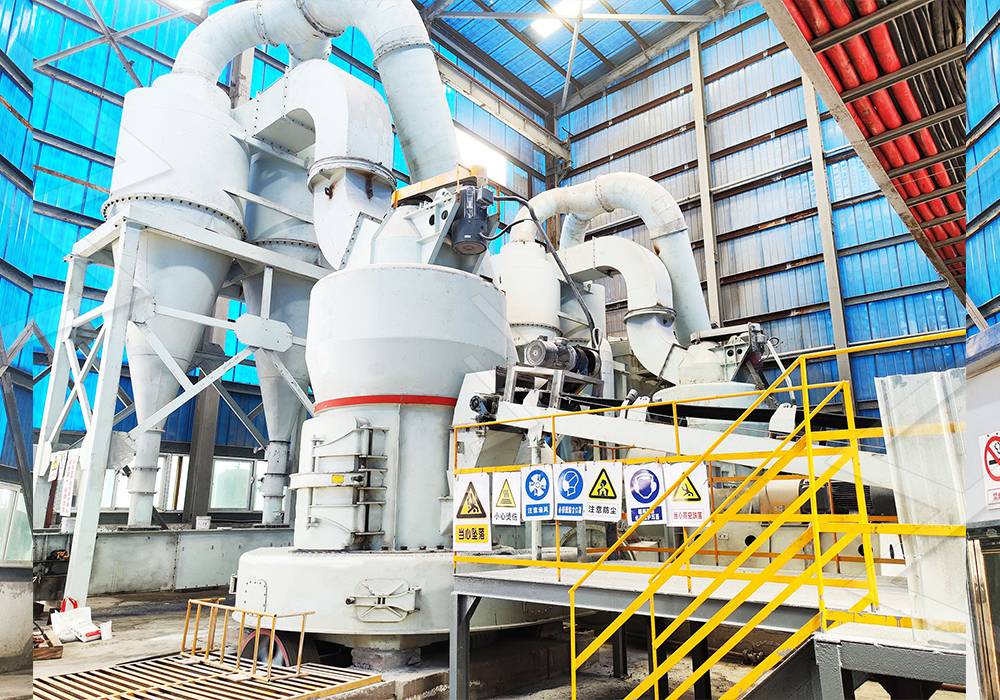
Inside the mill, the grinding mechanism—be it rollers and a table, balls in a drum, or other configurations—reduces the coal to a fine powder. This is often a vertical roller mill in modern installations, where large rollers hydraulically pressed against a rotating table grind the material. The ground coal is then dried and classified. Hot gases, often sourced from the kiln exhaust, are introduced into the mill chamber. These gases perform the dual function of drying the coal (reducing its moisture content) and transporting the finely ground particles upwards to a dynamic classifier.
The Role of the Classifier and Product Collection
The classifier is a crucial element in the schematic. It acts as a precision gatekeeper, using rotating vanes or a cage-type selector to separate particles by size. Oversized particles are rejected and fall back onto the grinding table for further milling, while the correctly sized pulverized coal (PF) is carried out with the gas stream. This ensures a consistent and optimal fineness, which is vital for efficient combustion in the kiln burner. The final product, a fine powder with a specific surface area, is then separated from the transport air in a cyclone or a bag filter (baghouse). The collected PF is stored in a silo, ready for injection into the kiln, while the cleaned air is typically recirculated or vented.
Enhancing Efficiency with Advanced Grinding Technology
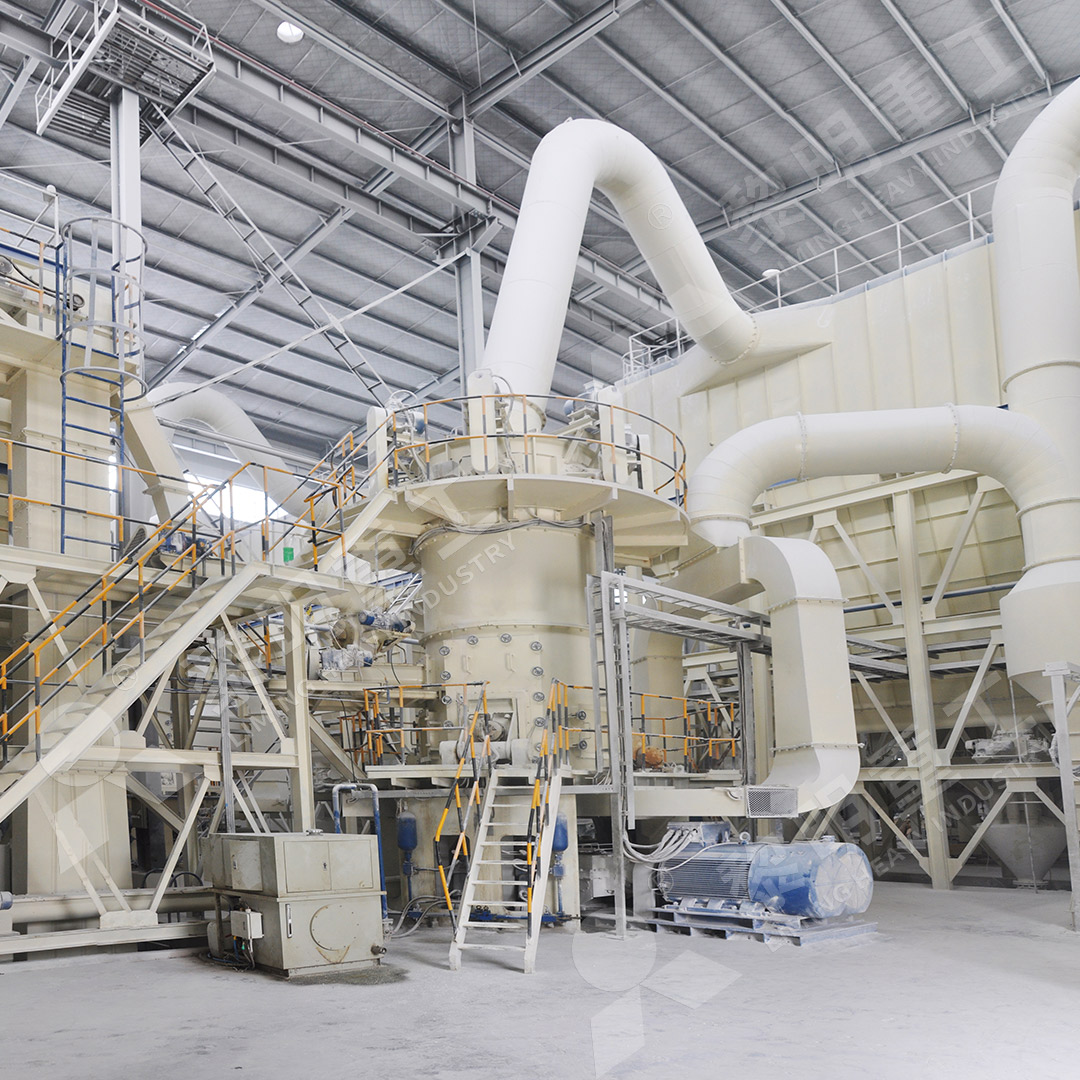
For operations looking to push the boundaries of efficiency and product quality, especially those requiring ultra-fine pulverized coal or processing alternative fuels, traditional mills can sometimes fall short. This is where advanced grinding technologies offer a significant advantage. For instance, our MW Ultrafine Grinding Mill is engineered for customers who need to produce ultra-fine powder with exceptional precision. With an input size of 0-20 mm and a capacity range of 0.5-25 tph, it’s perfectly suited for modern fuel preparation. Its cage-type powder selector, adopting German technology, allows for precise fineness adjustment between 325-2500 meshes, ensuring the perfect particle size for combustion. Furthermore, its design eliminates rolling bearings and screws in the grinding chamber, drastically reducing maintenance worries and the risk of machine damage from loose parts. The integration of an efficient pulse dust collector makes the entire milling operation remarkably eco-friendly, aligning with the cement industry’s increasing environmental responsibilities.
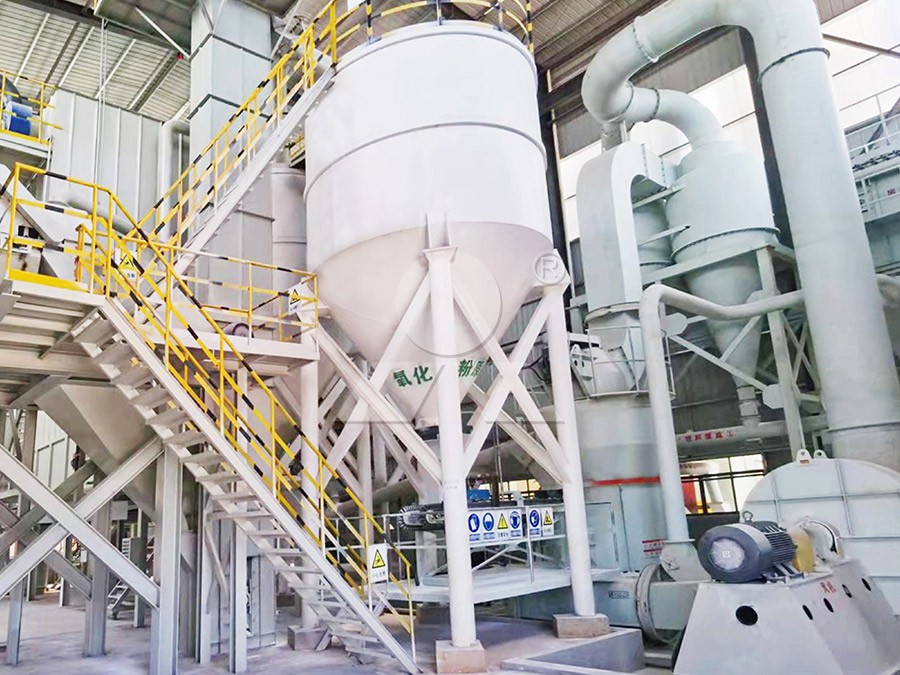
Another robust solution for fuel preparation is the LM Vertical Coal Mill. This mill integrates crushing, drying, grinding, powder selection, and conveying into a single, compact unit. Its simple and reliable operation is bolstered by features like a limit device preventing direct contact between the grinding roller and table, avoiding severe vibration. It offers high grinding efficiency, saving 40%-50% power compared to a traditional ball mill, and provides stable product quality with a narrow particle size distribution. Its high degree of automation allows for easy remote control, making it a smart choice for large-scale cement plants focused on lowering overall investment and operating costs.
Conclusion: A System of Interconnected Parts
In conclusion, the schematic of a coal mill in cement production depicts a complex but elegantly balanced system of size reduction, drying, classification, and collection. Mastering this process is key to achieving optimal kiln operation and overall plant profitability. By leveraging advanced mill designs that prioritize energy efficiency, low maintenance, and environmental protection, cement manufacturers can ensure a reliable, high-quality fuel supply for their kilns, ultimately driving towards a more sustainable and cost-effective operation.