
Sand Ball Mill Manufacturers in Indonesia: A Comprehensive Guide
We provide a wide range of mills — including Raymond mill, trapezoidal mill, vertical mill, ultrafine mill, and ball mill, obtained ISO9001 international quality certification, EU CE certification, and Customs Union CU-TR certification. Suitable for processing minerals such as limestone, phosphate, quicklime, kaolin, talc, barite, bentonite, calcium carbonate, dolomite, coal, gypsum, clay, carbon black, slag, cement raw materials, cement clinker, and more.
The discharge range of these mills can be adjusted to meet specific processing needs, typically from 80-400 mesh, 600-3250 mesh, and can achieve the finest particle size of up to 6000 mesh(D50).
If you are looking for a reliable grinding solution to turn stone or minerals into fine powder, please feel free to contact our online customer service.
Sand Ball Mill Manufacturers in Indonesia: A Comprehensive Guide
Indonesia’s rapidly expanding construction and industrial sectors have created a robust demand for efficient grinding machinery, particularly sand ball mills. These mills are essential for processing raw materials into fine powders used in everything from cement production to ceramics. For businesses seeking reliable equipment, navigating the landscape of sand ball mill manufacturers in Indonesia requires careful consideration of technology, after-sales support, and operational efficiency.
The Evolving Grinding Technology Landscape
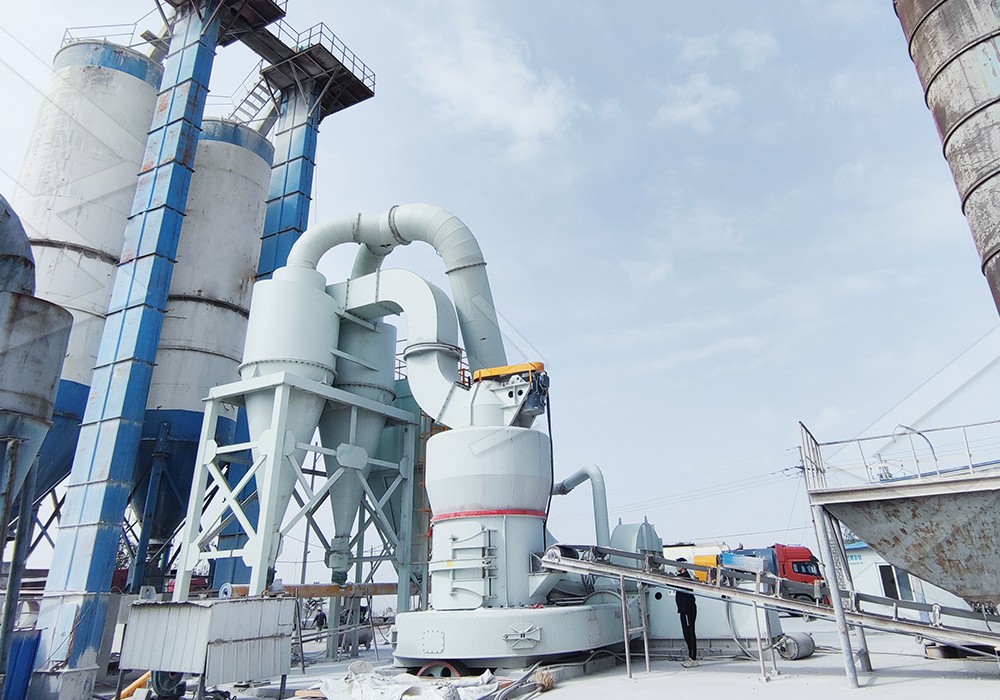
While traditional ball mills have been a staple in Indonesian mineral processing for decades, technological advancements are reshaping industry standards. Modern mills offer significant improvements in energy consumption, dust control, and final product fineness. The key for manufacturers is to balance proven reliability with innovative features that reduce long-term operational costs. Indonesian manufacturers and suppliers are increasingly partnering with international technology leaders to integrate these advancements into locally assembled units, ensuring compliance with both performance expectations and regional environmental regulations.
Key Considerations When Selecting a Mill
Choosing the right sand ball mill involves more than just comparing price tags. Critical factors include the hardness and abrasiveness of the feed material, the required production capacity (tph), and the desired final particle size. Furthermore, the availability of spare parts and local technical support in Indonesia is paramount to minimizing costly downtime. A manufacturer’s commitment to providing original spare parts and responsive service can make a substantial difference in a plant’s overall productivity and profitability.
Beyond Traditional Ball Mills: The Ultrafine Solution
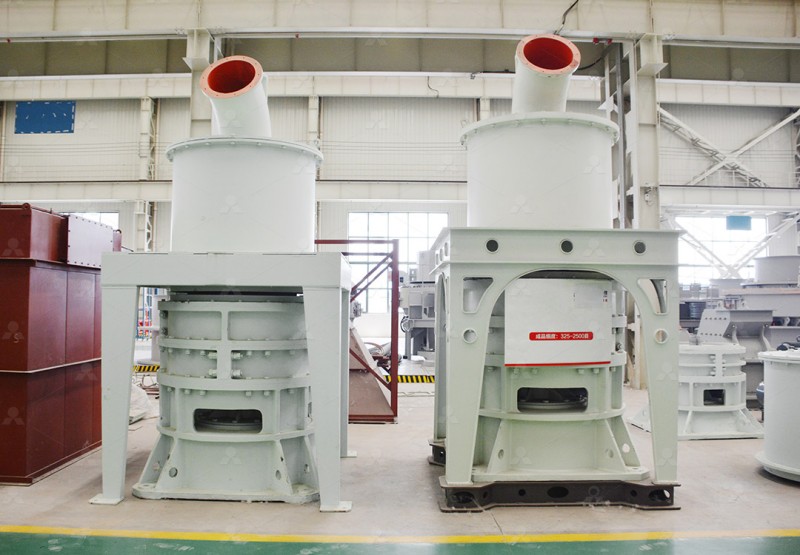
For operations requiring exceptionally fine powders, traditional ball mills may not be the most efficient solution. This is where advanced grinding technologies come into play. For instance, the MW Ultrafine Grinding Mill represents a significant leap forward. Designed for customers who need to make ultra-fine powder, this machine is equipped with an efficient pulse dust collector and muffler, minimizing environmental impact. With an input size of 0-20 mm and a capacity range of 0.5-25 tph, it is ideal for processing materials like limestone, calcite, and dolomite. Its innovative design features higher yielding and lower energy consumption—achieving 40% higher capacity than jet mills while using only 30% of the energy. The adjustable fineness between 325-2500 meshes makes it incredibly versatile for various industrial applications.
The Vertical Grinding Advantage
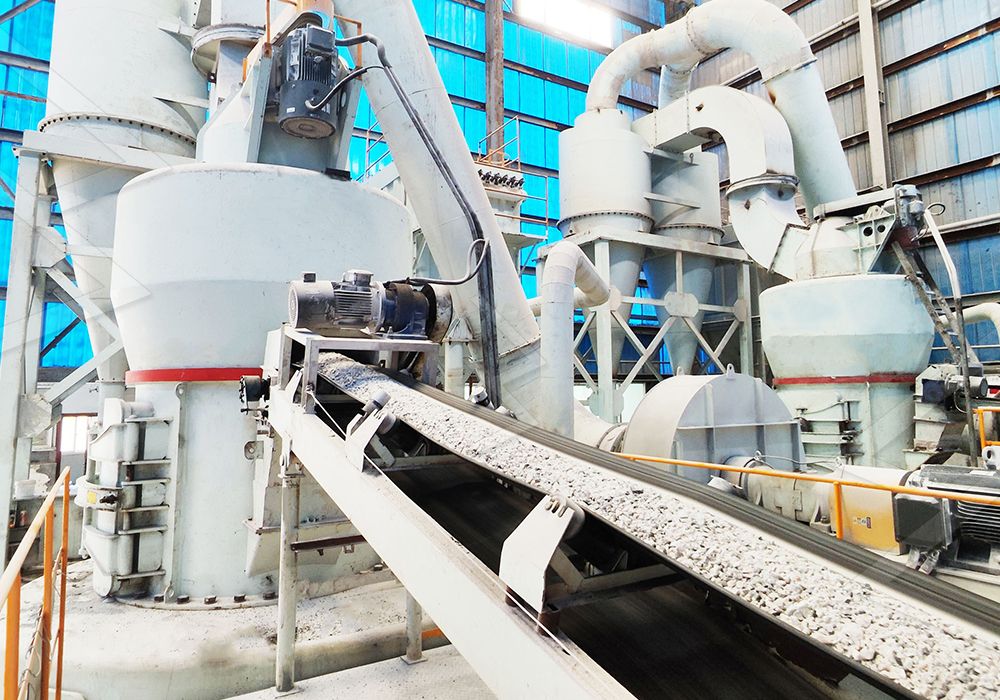
Another excellent alternative for many Indonesian applications is vertical grinding technology. The LUM Ultrafine Vertical Grinding Mill is independently designed with the latest grinding roller and powder separating technology. It integrates ultrafine powder grinding, grading, and transporting into a single, compact system. Handling an input size of 0-10 mm and a capacity of 5-18 tph, it is perfect for superfine dry powder of non-metal ores. Its unique roller shell and lining plate grinding curve are easier to generate a material layer, ensuring a high rate of finished products in a single pass. Features like double position-limiting technology guarantee stable operation, while a reversible structure simplifies maintenance, crucial for remote mining sites.
Making an Informed Decision
The choice between a traditional sand ball mill and a more advanced system like the MW or LUM mills ultimately depends on your specific production goals, budget, and site conditions. Partnering with a manufacturer that offers a comprehensive portfolio and strong local presence in Indonesia ensures you get not just a machine, but a long-term grinding solution.
Frequently Asked Questions (FAQ)
What is the main advantage of an ultrafine grinding mill over a traditional ball mill?
Ultrafine grinding mills, like the MW series, are designed for significantly higher efficiency and lower energy consumption. They can produce much finer powders (up to 2500 meshes) with a 40% higher capacity and 70% less energy compared to traditional jet or ball mills.
Are these advanced grinding mills suitable for the Indonesian climate and material types?
Yes, mills such as the MW and LUM are engineered with robust construction and environmental controls, including efficient dust collectors, making them well-suited for Indonesia’s diverse industrial and climatic conditions. They are proven to handle common local materials like limestone, coal, and gypsum effectively.
How critical is after-sales service when purchasing a mill in Indonesia?
Extremely critical. Reliable after-sales support, including the availability of original spare parts and local technical expertise, is essential for maintaining operational continuity and maximizing the lifespan of your equipment. Choosing a supplier with a established service network in Indonesia is highly recommended.