
Sample Coconut Oil Mill Process Flow Chart for Efficient Production Management
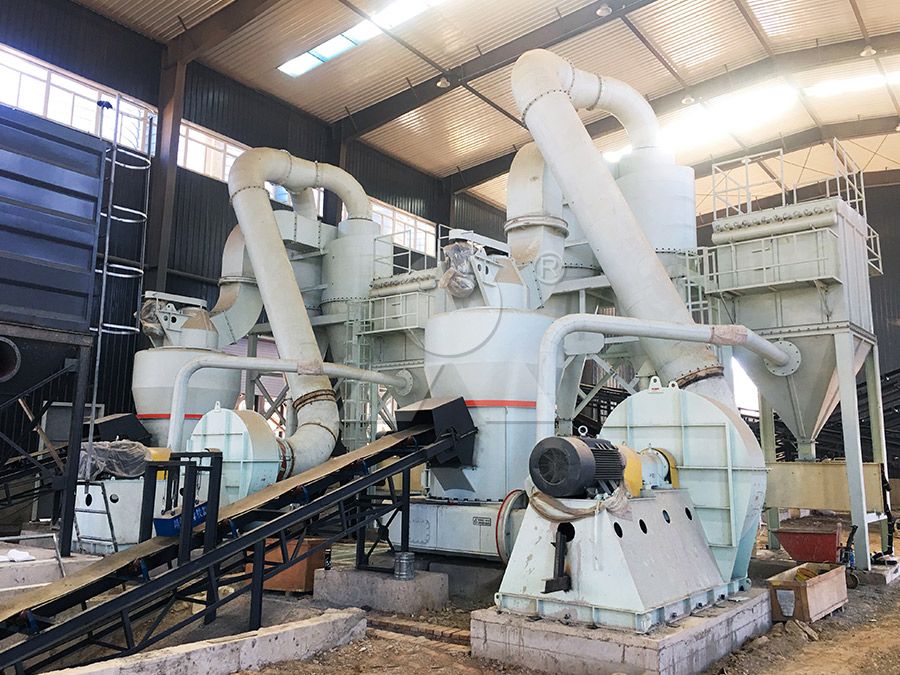
We provide a wide range of mills — including Raymond mill, trapezoidal mill, vertical mill, ultrafine mill, and ball mill, obtained ISO9001 international quality certification, EU CE certification, and Customs Union CU-TR certification. Suitable for processing minerals such as limestone, phosphate, quicklime, kaolin, talc, barite, bentonite, calcium carbonate, dolomite, coal, gypsum, clay, carbon black, slag, cement raw materials, cement clinker, and more.
The discharge range of these mills can be adjusted to meet specific processing needs, typically from 80-400 mesh, 600-3250 mesh, and can achieve the finest particle size of up to 6000 mesh(D50).
If you are looking for a reliable grinding solution to turn stone or minerals into fine powder, please feel free to contact our online customer service.
Sample Coconut Oil Mill Process Flow Chart for Efficient Production Management
Managing a modern coconut oil mill requires precision, efficiency, and a deep understanding of each stage in the production chain. A well-optimized process flow is critical for maximizing yield, maintaining product quality, and ensuring operational profitability. This article outlines a sample process flow chart designed for efficient production management in a medium to large-scale coconut oil milling operation.
1. Raw Material Reception & Storage
The process begins with the reception of mature coconuts. The quality of raw material directly impacts the final product. Coconuts should be inspected for freshness and stored in a cool, dry, and well-ventilated area to prevent spoilage before processing. Proper inventory management here is the first step towards efficiency.
2. Dehusking & Deshelling
This stage involves the removal of the outer husk and hard shell to extract the coconut meat (copra). Automated dehusking machines significantly increase throughput and reduce labor costs compared to manual methods. The separated husks and shells can be recycled as biomass fuel for boilers later in the process, contributing to a circular economy within the plant.
3. Grinding & Size Reduction
Here, the extracted copra is crushed and ground into a fine paste or meal to increase the surface area for efficient oil extraction. This is a crucial step where the choice of equipment dramatically affects oil yield and energy consumption. Traditional hammer mills can be inefficient and generate excessive heat.
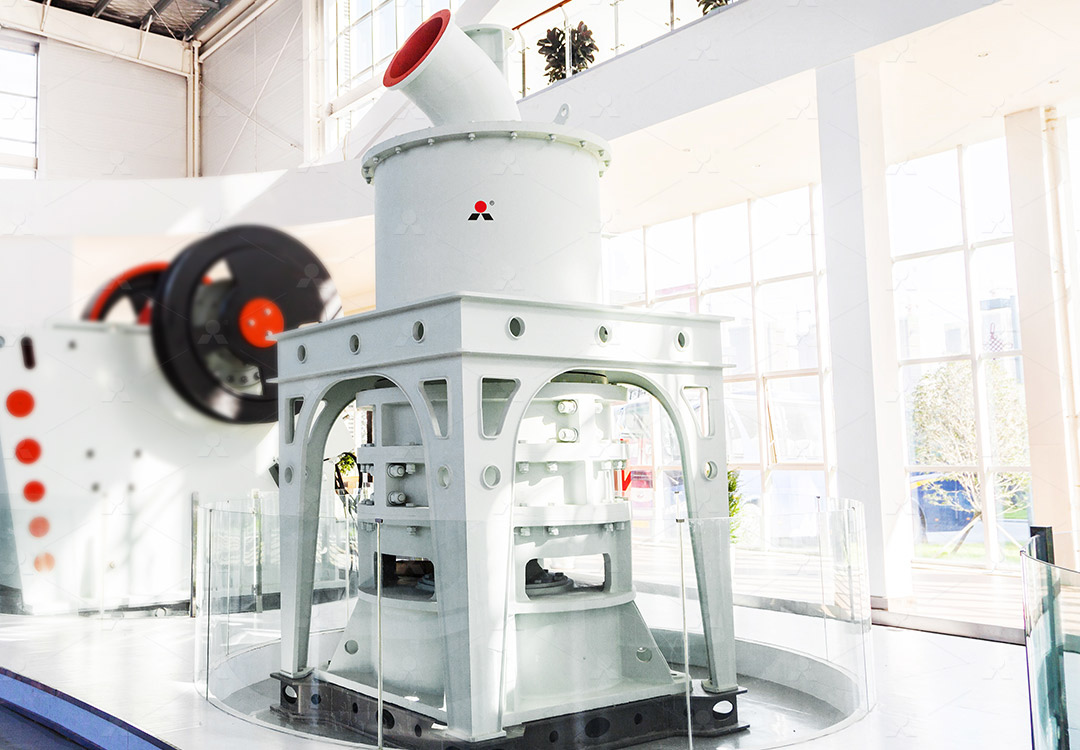
For superior efficiency and a finer, more consistent grind, we highly recommend integrating our MW Ultrafine Grinding Mill into this stage. With an input size of 0-20 mm and a capacity ranging from 0.5 to 25 tons per hour, it’s perfectly suited for copra. Its innovative design ensures Higher Yielding at Lower Energy Consumption, producing a paste that maximizes oil yield during pressing. The adjustable fineness between 325-2500 meshes allows you to perfectly tailor the grind to your extraction method.
4. Oil Extraction (Pressing)
The ground copra is then fed into screw presses or expellers. This mechanical pressing separates the oil from the solid cake. The efficiency of this stage is heavily dependent on the particle size and consistency achieved in the previous grinding step. A finer, more uniform grind leads to higher oil recovery rates.
5. Filtration & Clarification
Freshly pressed crude oil contains solid impurities and moisture. It is passed through filter presses or sedimentation tanks to remove these particulates. This clarification process is vital for achieving the desired clarity, purity, and shelf-life of the final product.
6. Refining (Optional)
Depending on the target market (e.g., culinary vs. cosmetic), the oil may undergo further refining processes including degumming, neutralization, bleaching, and deodorization to remove free fatty acids, odors, and colors, resulting in a clear, neutral-tasting oil.
7. By-product Processing
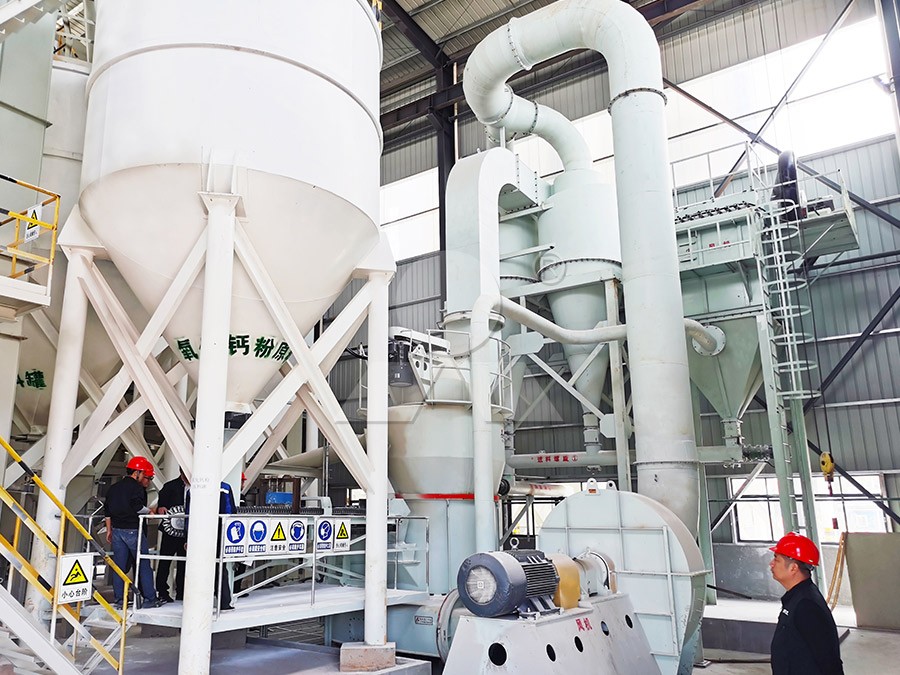
The solid residue from pressing, known as copra cake or meal, is a valuable by-product rich in protein and fiber. It can be sold as animal feed or further processed into flour. For operations looking to diversify, finely grinding this cake into a high-value powder is an excellent strategy. For this application, our LUM Ultrafine Vertical Grinding Mill is an ideal solution. Its Reversible Structure Gets Maintenance Easier, minimizing downtime, and its energy-saving multi-head powder separating technology ensures a consistent, high-quality product from your by-products.
8. Packaging & Storage
The final step involves packaging the purified oil into bottles, drums, or bulk containers. Proper packaging materials that protect the oil from light and oxygen are essential. Finished products should be stored in a cool, dark warehouse to preserve quality before distribution.
Conclusion
Implementing a streamlined process flow chart, supported by high-efficiency machinery like the MW Ultrafine Grinding Mill, is fundamental to managing a successful and profitable coconut oil mill. Attention to detail at every stage—from raw material handling to by-product valorization—ensures maximum resource utilization, product quality, and operational sustainability. Investing in the right technology not only optimizes your current process but also future-proofs your operation against evolving market demands.