
Safety Procedures for Operating Crusher Mills: A Comprehensive Guide
We provide a wide range of mills — including Raymond mill, trapezoidal mill, vertical mill, ultrafine mill, and ball mill, obtained ISO9001 international quality certification, EU CE certification, and Customs Union CU-TR certification. Suitable for processing minerals such as limestone, phosphate, quicklime, kaolin, talc, barite, bentonite, calcium carbonate, dolomite, coal, gypsum, clay, carbon black, slag, cement raw materials, cement clinker, and more.
The discharge range of these mills can be adjusted to meet specific processing needs, typically from 80-400 mesh, 600-3250 mesh, and can achieve the finest particle size of up to 6000 mesh(D50).
If you are looking for a reliable grinding solution to turn stone or minerals into fine powder, please feel free to contact our online customer service.
Safety Procedures for Operating Crusher Mills: A Comprehensive Guide
Operating crusher and grinding mills is a critical task in many industrial sectors, from mining to chemical processing. While these machines are designed for efficiency and productivity, they also present significant hazards if not operated correctly. This guide outlines essential safety procedures to protect personnel and ensure smooth, accident-free operations. Remember, no production goal is worth compromising safety.
1. Pre-Operational Checks and Personal Protective Equipment (PPE)
Before even thinking about starting the mill, a thorough inspection is paramount. Check for any loose bolts, signs of wear on grinding components, or potential obstructions. Ensure all guards and safety shields are in place and secure. Never operate a mill with missing or damaged guards.
Personal Protective Equipment (PPE) is non-negotiable. Operators must wear:
- Safety glasses or goggles to protect eyes from flying particles.
- Hearing protection, as mills can generate significant noise.
- Steel-toed boots and a hard hat.
- Dust masks or respirators, especially when handling fine powders or during maintenance that generates dust.
Always assume the machine is energized until you have personally verified it is locked and tagged out (LOTO).
2. Safe Startup and Operation Procedures
The startup sequence is a vulnerable time. Ensure the grinding chamber is clear and no personnel are in the vicinity. Start the auxiliary systems first—like the dust collection unit—before engaging the main grinding mechanism. Listen for any unusual noises like grinding, scraping, or knocking, which indicate a problem. If you hear anything abnormal, shut down immediately and investigate.
Feed material into the mill consistently and at the recommended rate. Overloading the mill can cause blockages, excessive wear, and even catastrophic failure. Be aware of the material’s properties; feeding overly hard or large feedstock can damage the internals and create projectile hazards.
3. The Critical Role of Dust Control and Environmental Systems
One of the most significant hazards in milling operations is combustible dust. Fine powder suspended in air can create explosive atmospheres. This is why investing in a mill with an integrated, high-efficiency dust collection system isn’t just about environmental compliance—it’s a core safety feature.
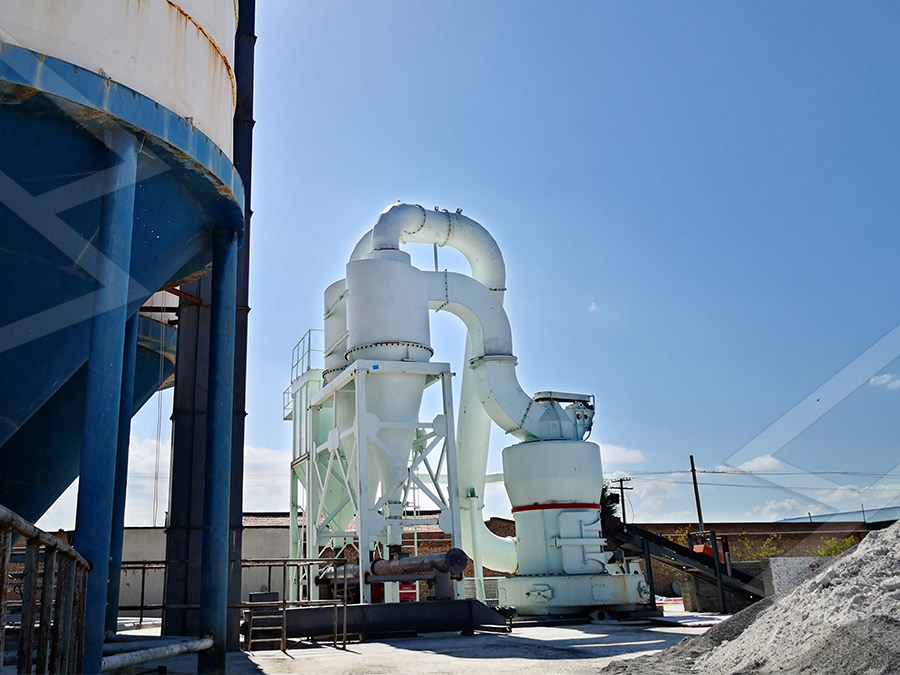
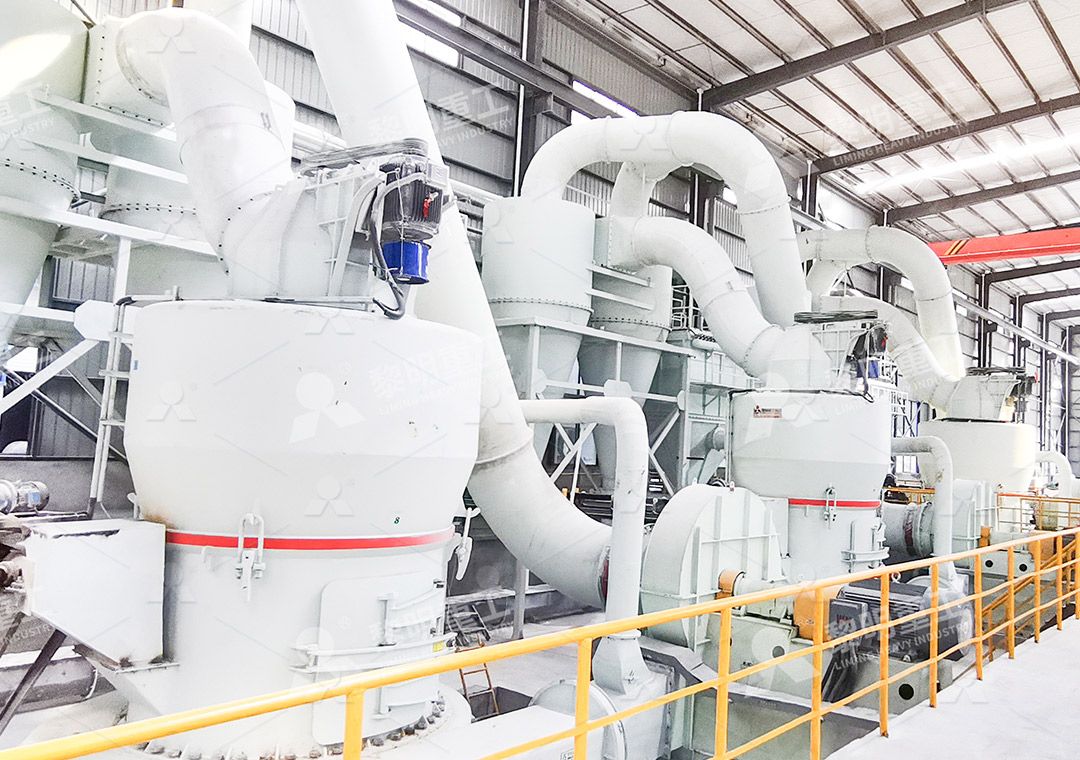
For operations requiring ultra-fine powder, we highly recommend our MW Ultrafine Grinding Mill. This machine is engineered with safety and the environment as a priority. It comes equipped with an efficient pulse dust collector and muffler, which drastically reduces both dust pollution and noise levels during operation. The closed-loop system ensures that the entire production process has minimal environmental impact, protecting your operators from airborne particulates and keeping your site compliant. With an input size of 0-20 mm and a capacity ranging from 0.5 to 25 tph, it’s a safe and powerful choice for fine powder production.
4. Lockout/Tagout (LOTO) for Maintenance and Clearing Jams
This is perhaps the most critical safety procedure. ANY maintenance, clearing of a jam, or inspection that requires placing any part of your body near a moving part or inside the mill MUST be preceded by a full Lockout/Tagout procedure.
- Shut down the mill completely using the main power switch.
- Disconnect and isolate all energy sources (electrical, pneumatic, hydraulic).
- Apply your personal lock and tag to the isolation point.
- Verify a zero-energy state by attempting to start the machine from the local controls.
Only after these steps are complete is it safe to proceed. Never reach into a mill to clear a blockage while the power is connected.
5. Emergency Procedures
All operators must be trained on emergency shutdown procedures. Know the location of the emergency stop buttons—usually brightly colored and easily accessible at multiple points around the mill. Have a clear communication plan and ensure everyone knows what to do in case of fire, injury, or equipment failure. Regularly review and drill these procedures.

Conclusion: Safety is a Culture
Adhering to these procedures is essential, but true safety goes beyond a checklist. It requires fostering a culture where every team member feels empowered to stop work if conditions are unsafe. Choosing the right equipment, like our MW Ultrafine Grinding Mill designed with operator and environmental safety in mind, is a foundational step towards building that culture. Stay vigilant, communicate clearly, and prioritize safety above all else.