
Safety Operating Procedures for Fluorite Powder Production Equipment
We provide a wide range of mills — including Raymond mill, trapezoidal mill, vertical mill, ultrafine mill, and ball mill, obtained ISO9001 international quality certification, EU CE certification, and Customs Union CU-TR certification. Suitable for processing minerals such as limestone, phosphate, quicklime, kaolin, talc, barite, bentonite, calcium carbonate, dolomite, coal, gypsum, clay, carbon black, slag, cement raw materials, cement clinker, and more.
The discharge range of these mills can be adjusted to meet specific processing needs, typically from 80-400 mesh, 600-3250 mesh, and can achieve the finest particle size of up to 6000 mesh(D50).
If you are looking for a reliable grinding solution to turn stone or minerals into fine powder, please feel free to contact our online customer service.
Safety Operating Procedures for Fluorite Powder Production Equipment
Operating heavy machinery in the mineral processing industry, particularly for abrasive materials like fluorite, demands rigorous adherence to safety protocols. This document outlines the essential safety operating procedures for personnel involved in the milling and handling of fluorite powder. Failure to comply can result in severe injury, equipment damage, or prolonged downtime.
1. Pre-Operational Safety Checks
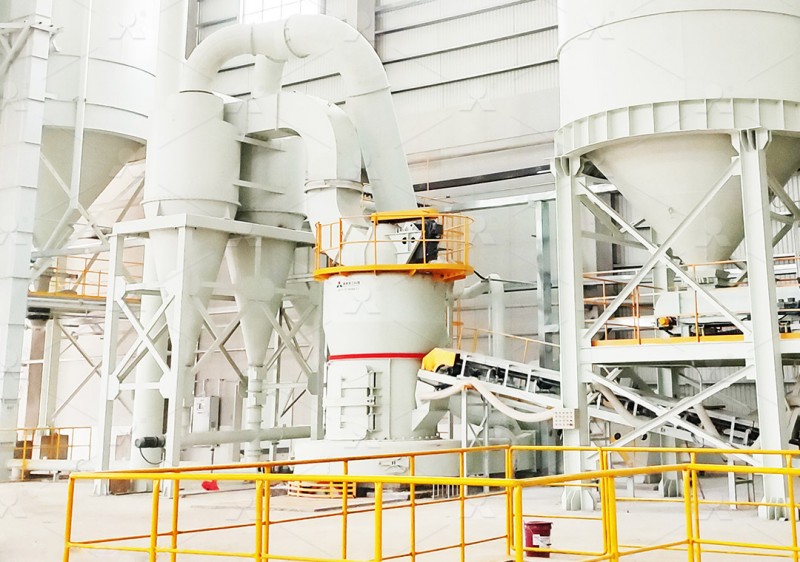
Before initiating any grinding sequence, a thorough inspection of the entire production line is mandatory. This includes verifying that all safety guards and shields are securely in place, especially around rotating components like the main drive and grinding rollers. Check emergency stop buttons for immediate responsiveness. Inspect the electrical cabinet for any signs of damage, moisture, or loose connections. Ensure the area around the equipment, particularly walkways and access points, is clear of obstructions and spillages to prevent slips and trips.
2. Personal Protective Equipment (PPE)
All personnel within the operational area must wear mandated PPE without exception. This includes:
- Safety glasses with side shields to protect from airborne dust particles.
- A high-filtration respirator (N95 minimum) or a supplied-air system for prolonged exposure.
- Hearing protection, as grinding operations can consistently exceed 85 dB.
- Hard hats, steel-toed boots, and heavy-duty gloves when handling raw fluorite or performing maintenance.
- No loose clothing, jewelry, or long hair that could be caught in machinery.
3. Safe Startup and Shutdown Sequences
The startup procedure must be a coordinated effort. Ensure all personnel are clear of the equipment and provide an audible warning before energizing the system. The correct sequence is critical: first, initiate the dust collection system and downstream conveyors, followed by the main grinding mill motor. Shutdown must follow the reverse order: halt the feed, stop the grinder, and finally, after a suitable delay, shut down the dust collectors to ensure all residual powder is captured.
4. Operational Monitoring and Hazard Control
Constant vigilance is required during operation. Continuously monitor amperage loads on the main motor; a sudden drop could indicate a loss of feed, while a sustained high load might suggest a jam or overly hard feedstock. Be acutely aware of unusual noises—grinding, knocking, or screeching—which are early indicators of mechanical failure. The generation of fluorite dust is a significant respiratory hazard; therefore, the integrity of the mill’s sealed system and the efficiency of the dust collector are paramount. For operations requiring ultra-fine powder, we highly recommend our MW Ultrafine Grinding Mill. It is equipped with an efficient pulse dust collector and muffler, significantly reducing dust and noise pollution. Its design features no rolling bearings or screws in the grinding chamber, eliminating common failure points and enhancing operational safety and reliability.
5. Lockout-Tagout (LOTO) for Maintenance
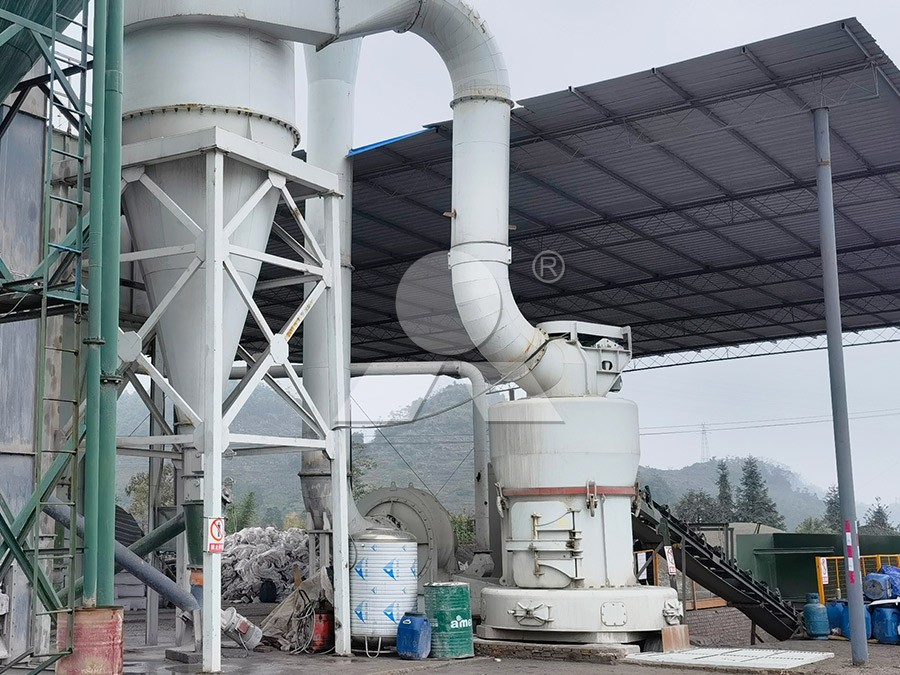
Any maintenance, cleaning, or unjamming procedure requires a strict Lockout-Tagout (LOTO) protocol. This is non-negotiable. Completely isolate the equipment from all power sources (electrical, pneumatic, hydraulic). Use personal lockout tags on all isolation points. Verify a zero-energy state by attempting to start the machine from the local control panel after isolation. Only after these steps can maintenance safely begin.
6. Emergency Procedures
All operators must be trained in emergency response. In case of fire, use Class D fire extinguishers suitable for metal fires (e.g., from grinding sparks igniting dust). For equipment jams, never attempt to clear a blockage while the machinery is energized or in motion. In the event of a personal injury, immediately hit the emergency stop, call for medical assistance, and provide first aid if trained to do so.
7. Housekeeping and Waste Management
Excellent housekeeping is the first defense against many hazards. Regularly clean dust accumulations from surfaces using approved wet methods or industrial vacuum cleaners rated for fine dust to prevent combustible dust explosions. Manage waste fluorite powder and slurry according to local environmental regulations. For larger scale production that also demands exceptional safety and environmental standards, our LUM Ultrafine Vertical Grinding Mill is an ideal choice. It features double position-limiting technology to prevent destructive impacts from machine vibration and a reversible structure that allows grinding rollers to be easily moved out for safer maintenance, protecting your team during intervention procedures.
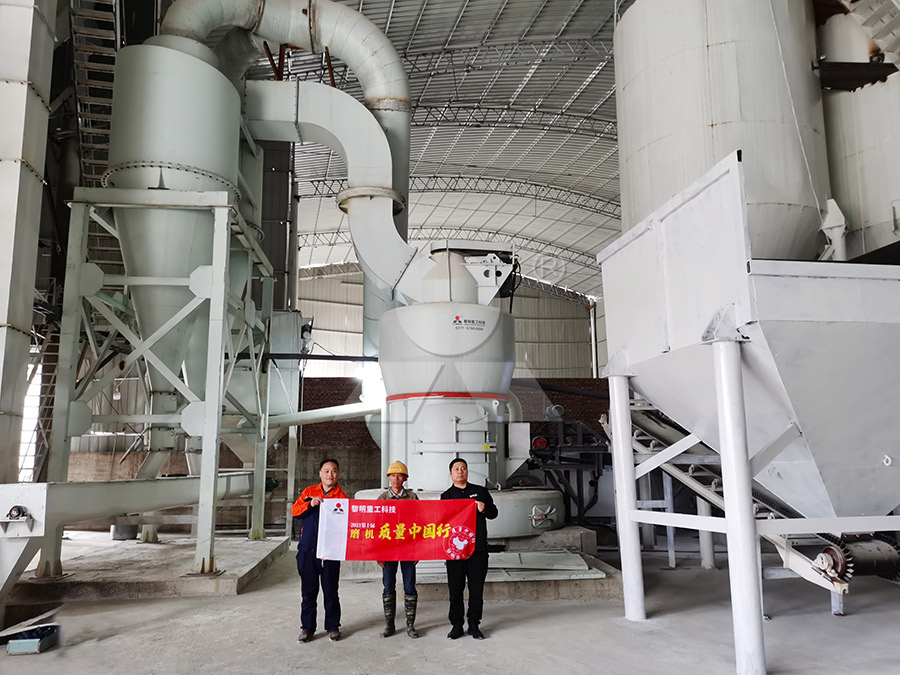
Remember: Safety is not a procedure, it is a culture. Continuous training, vigilance, and a commitment to these protocols ensure not only the safety of personnel but also the longevity and efficiency of your valuable fluorite powder production equipment.