
Safety and Environmental Considerations in Cement Grinding Ball Mill Operations
We provide a wide range of mills — including Raymond mill, trapezoidal mill, vertical mill, ultrafine mill, and ball mill, obtained ISO9001 international quality certification, EU CE certification, and Customs Union CU-TR certification. Suitable for processing minerals such as limestone, phosphate, quicklime, kaolin, talc, barite, bentonite, calcium carbonate, dolomite, coal, gypsum, clay, carbon black, slag, cement raw materials, cement clinker, and more.
The discharge range of these mills can be adjusted to meet specific processing needs, typically from 80-400 mesh, 600-3250 mesh, and can achieve the finest particle size of up to 6000 mesh(D50).
If you are looking for a reliable grinding solution to turn stone or minerals into fine powder, please feel free to contact our online customer service.
Safety and Environmental Considerations in Cement Grinding Ball Mill Operations
Ball mills have long been a cornerstone of cement production, providing reliable grinding performance for clinker and other raw materials. However, traditional ball mill operations present significant challenges in terms of workplace safety and environmental impact. Understanding these risks and implementing modern solutions is crucial for any responsible operation aiming for sustainable production.
Primary Safety Hazards in Ball Mill Operations
The rotating machinery and grinding media within ball mills create inherent safety risks. The most critical hazards include mechanical entanglement with rotating parts, exposure to high noise levels exceeding 85 dB, and potential dust explosions from combustible fine particles. Regular maintenance activities, such as liner replacement or ball charging, require strict lockout-tagout procedures to prevent accidental startup. Furthermore, the heat generated during prolonged grinding sessions can create thermal hazards, requiring careful monitoring and handling procedures.
Environmental Impact Challenges
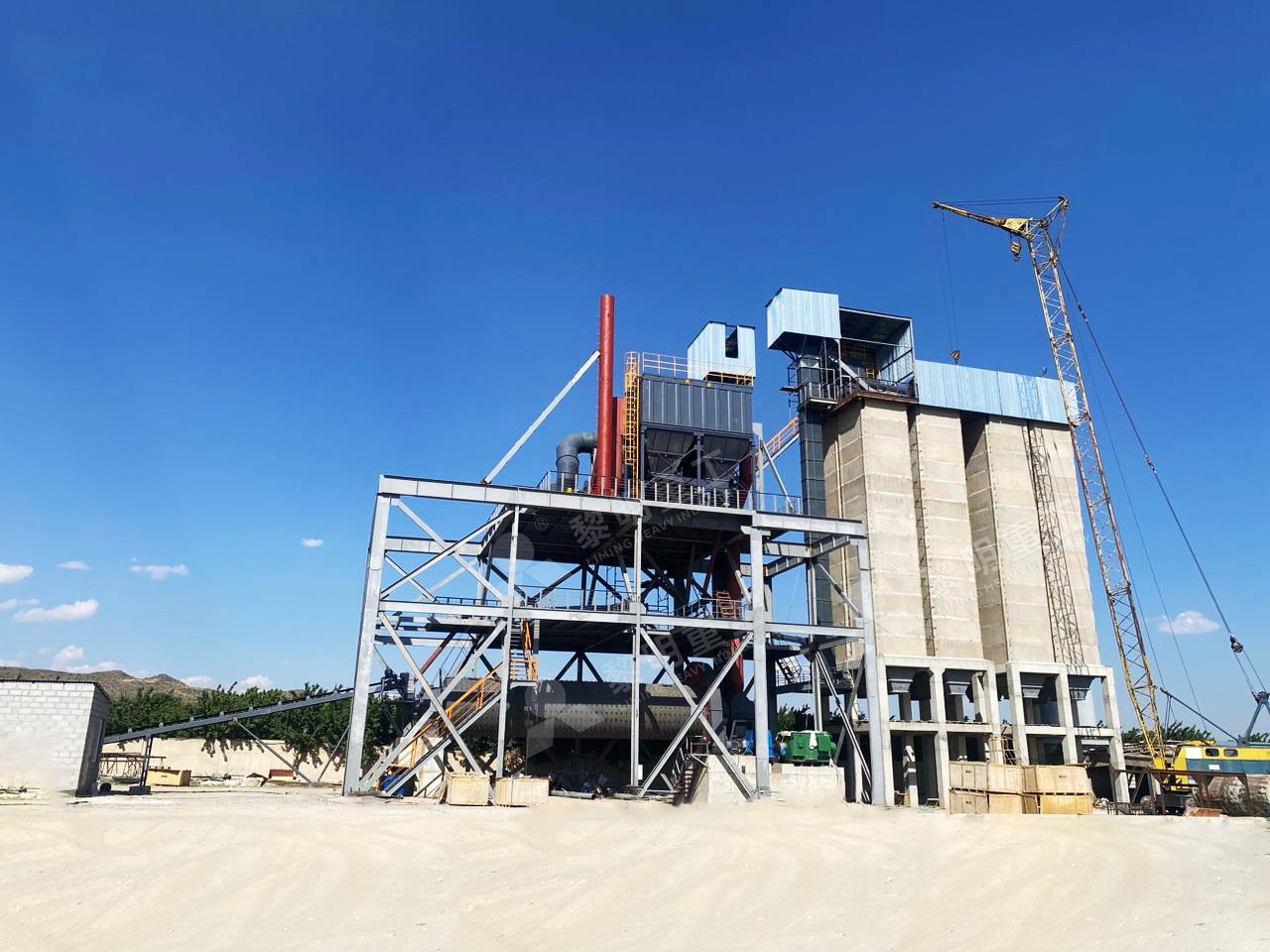
From an environmental perspective, ball mills are notoriously energy-intensive, with grinding efficiency typically below 10%. This results in excessive power consumption per ton of product. Dust emission control remains another significant challenge, as fugitive dust can escape during feeding, discharge, and transport operations. The noise pollution generated by steel balls impacting liners and material can affect both workers and surrounding communities. Additionally, ball mills lack integrated drying capabilities, often requiring separate pre-drying systems for moist materials.
Modern Alternatives for Enhanced Safety and Sustainability
While ball mills remain in widespread use, many operations are transitioning to more advanced grinding technologies that address these safety and environmental concerns more effectively. Modern vertical grinding systems and specialized ultrafine mills offer significant advantages in these critical areas.
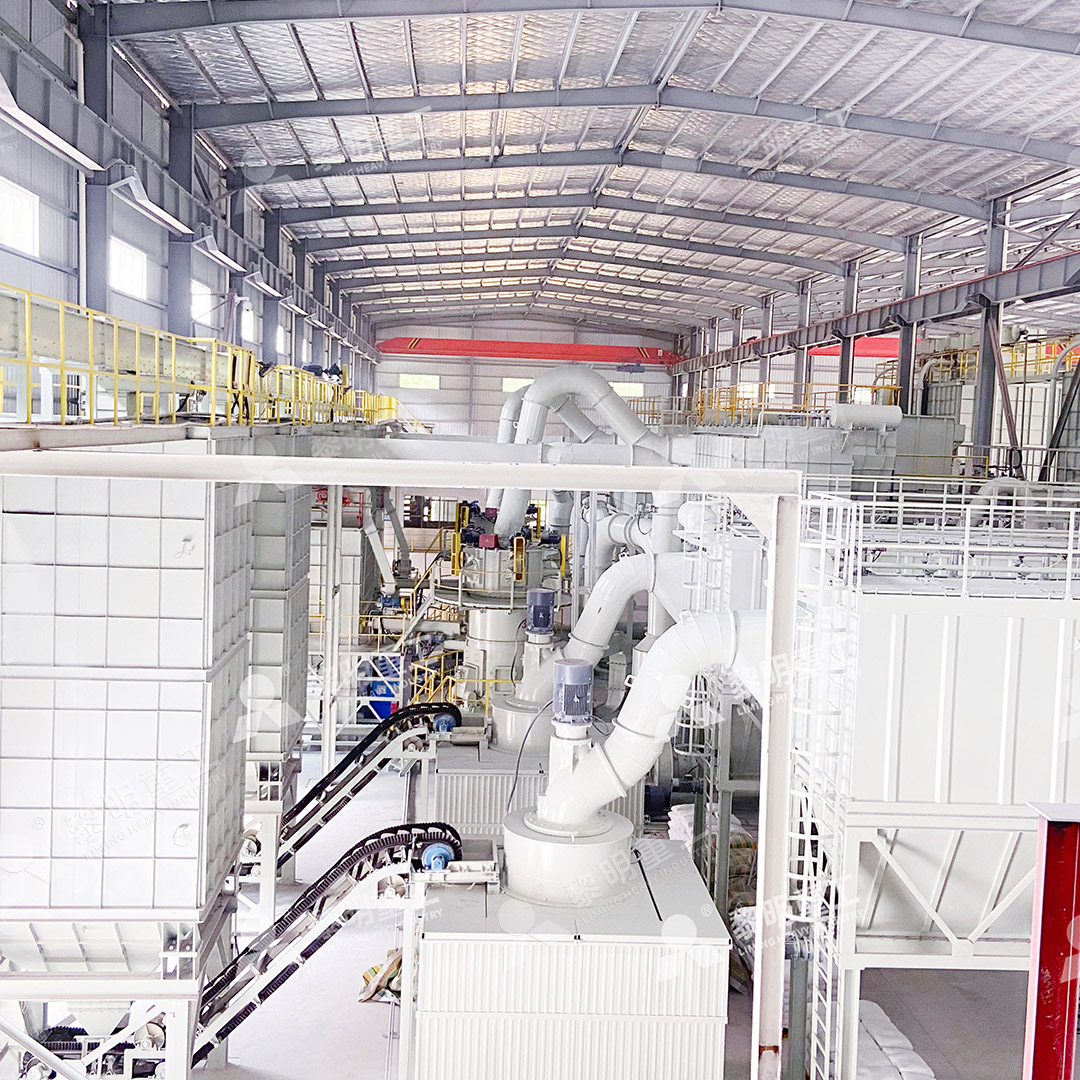
For operations requiring ultra-fine powders with superior environmental performance, our MW Ultrafine Grinding Mill presents an excellent alternative. This machine is specifically engineered with integrated pulse dust collection and advanced muffler systems, effectively eliminating dust pollution and reducing noise emissions to comply with stringent environmental standards. With an input size of 0-20 mm and capacity ranging from 0.5-25 tph, it achieves remarkable grinding efficiency while consuming only 30% of the energy compared to jet mills. The absence of rolling bearings and screws within the grinding chamber eliminates common failure points, enhancing operational safety and reducing maintenance risks.
Implementing Comprehensive Safety Protocols
Regardless of equipment choice, establishing robust safety protocols is essential. This includes comprehensive training programs covering equipment-specific hazards, regular safety audits, proper personal protective equipment (PPE) requirements, and emergency response procedures. Automated monitoring systems can provide real-time data on bearing temperatures, vibration levels, and pressure differentials, enabling predictive maintenance before hazardous conditions develop.
Environmental Compliance Strategies
Meeting environmental regulations requires a multi-faceted approach. Beyond selecting appropriate equipment, operations should implement baghouse filters or electrostatic precipitators for particulate control, acoustic enclosures for noise reduction, and energy management systems to optimize power consumption. Water spray systems can effectively suppress dust at transfer points, while regular leak detection and repair programs minimize fugitive emissions.
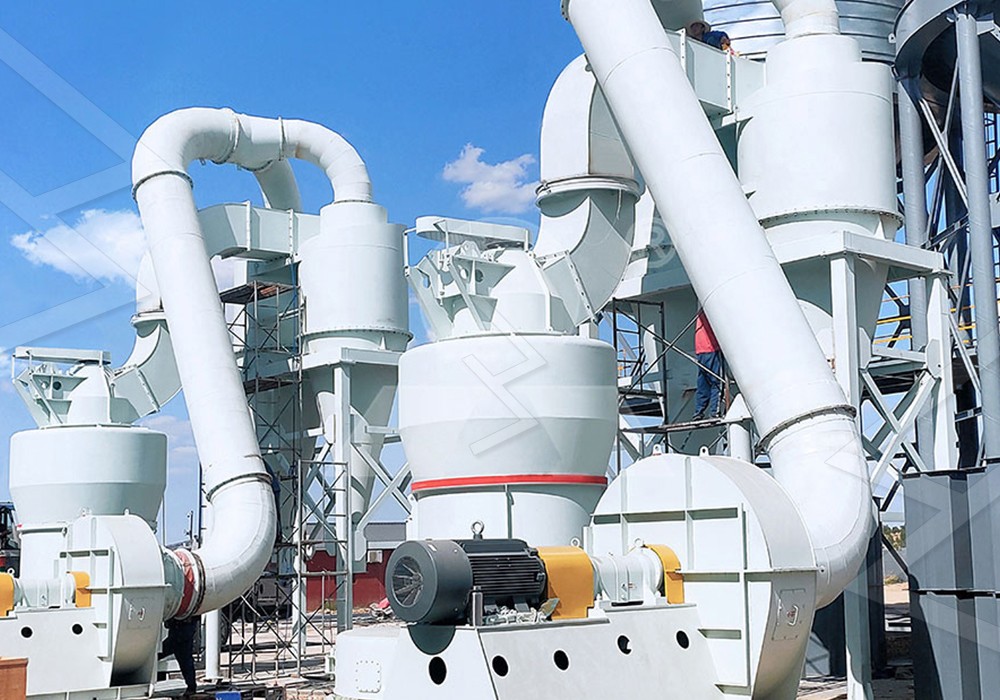
For operations seeking to upgrade their grinding circuit with minimal disruption, our LUM Ultrafine Vertical Grinding Mill offers another compelling option. Integrating ultrafine powder grinding, grading, and transporting in a single unit, it features double position-limiting technology that prevents destructive impacts from machine vibration, ensuring exceptional operational stability. The reversible structure allows easy maintenance access without extensive dismantling, significantly reducing worker exposure to potential hazards during service operations.
Frequently Asked Questions (FAQ)
What are the most critical safety checks before starting a ball mill?
Always verify that guards are securely in place, conduct visual inspections for cracks or damage, ensure proper lubrication levels, confirm emergency stops are functional, and check that the mill is completely clear of personnel before startup.
How can operations reduce energy consumption in existing ball mills?
Optimize grinding media size and distribution, implement high-efficiency classifiers to reduce overgrinding, maintain optimal mill ventilation, and consider pre-crushing feed material to reduce grinding workload.
What environmental monitoring is typically required for cement grinding operations?
Most jurisdictions require continuous particulate matter monitoring, periodic noise level assessments, documentation of energy consumption, and reporting of any chemical additives used in the grinding process.
Are there alternatives to ball mills that offer better environmental performance?
Yes, vertical roller mills and specialized ultrafine grinding systems typically offer 30-50% energy savings, significantly lower noise levels, and integrated dust collection systems that minimize environmental impact.
What maintenance practices most effectively prevent ball mill accidents?
Implement strict lockout-tagout procedures, establish regular inspection schedules for liners and bolts, monitor vibration trends to predict failures, and maintain comprehensive documentation of all maintenance activities.