
Safe Work Procedures for Working Inside a Coal Mill: A Comprehensive Guide
We provide a wide range of mills — including Raymond mill, trapezoidal mill, vertical mill, ultrafine mill, and ball mill, obtained ISO9001 international quality certification, EU CE certification, and Customs Union CU-TR certification. Suitable for processing minerals such as limestone, phosphate, quicklime, kaolin, talc, barite, bentonite, calcium carbonate, dolomite, coal, gypsum, clay, carbon black, slag, cement raw materials, cement clinker, and more.
The discharge range of these mills can be adjusted to meet specific processing needs, typically from 80-400 mesh, 600-3250 mesh, and can achieve the finest particle size of up to 6000 mesh(D50).
If you are looking for a reliable grinding solution to turn stone or minerals into fine powder, please feel free to contact our online customer service.
Safe Work Procedures for Working Inside a Coal Mill: A Comprehensive Guide
Working inside a coal mill presents a unique set of hazards that demand rigorous safety protocols. The combination of combustible dust, confined spaces, moving machinery, and potential for oxygen deficiency creates an environment where a single mistake can have catastrophic consequences. This guide outlines essential safe work procedures to protect personnel during maintenance, inspection, and cleaning operations.
1. Pre-Entry Preparation and Isolation
Thorough preparation is the absolute foundation of safety. Never enter a coal mill without a formal permit-to-work system, specifically a confined space entry permit.
- Complete Isolation (Lockout/Tagout – LOTO): This is non-negotiable. Isolate the mill from all energy sources. This includes electrical power to the main motor, classifier, feed conveyor, and lubrications systems. Isolate pneumatic and hydraulic power sources. Physically lock out isolation points and tag them with the individual’s name and reason for lockout.
- Mechanical Isolation: Insert mechanical stops or blocks to prevent movement of the grinding table or rollers. The sheer mass of these components can cause fatal crushing injuries if they move unexpectedly.
- Feed Isolation: Ensure the raw coal feed system is isolated and physically blocked to prevent any material from entering the mill during work.

2. Atmospheric Testing and Ventilation
A coal mill is a prime candidate for an oxygen-deficient, toxic, or explosive atmosphere.
- Continuous Gas Monitoring: Test for oxygen levels (must be between 19.5% and 23.5%), carbon monoxide (CO), and combustible gases (LEL – Lower Explosive Limit) both before and continuously during entry. Use a calibrated, multi-gas detector.
- Forced Ventilation: Use explosion-proof ventilation fans to purge the internal atmosphere and provide a continuous supply of fresh air. Position the fan to ensure air flows across the work area. Never rely on natural ventilation.
- Coal Dust Mitigation: Keep internal surfaces wetted down to suppress dust, but be aware this can increase humidity and the risk of slippery surfaces.
3. Personal Protective Equipment (PPE)
Standard PPE is insufficient for mill entry. The following is mandatory:
- Respiratory Protection: A supplied-air respirator (SAR) or self-contained breathing apparatus (SCBA) is required, especially during initial entry or if atmospheric conditions are not guaranteed to be safe.
- Protective Clothing: Anti-static, flame-resistant (FR) coveralls. No synthetic materials that can melt or generate static sparks.
- Head, Eye, and Hand Protection: Hard hat, safety goggles, and heavy-duty, cut-resistant gloves.
- Fall Protection: Full body harness with a lifeline if working at height inside the mill structure. A dedicated attendant must monitor the entrant at all times.
4. Internal Work Procedures
Once inside, maintain constant vigilance.
- Communication: Maintain constant visual or voice communication with the attendant outside. Use intrinsically safe two-way radios if visual contact is lost.
- Tool Safety: Use only non-sparking, explosion-proof tools (brass, bronze, copper-beryllium alloys).
- Hot Work: Welding, grinding, or cutting inside the mill requires a separate hot work permit. Areas must be meticulously cleaned of all coal dust, and fire watches must be established during and after the work.
- Housekeeping: Remove tools and materials after the job is complete. Do not leave any potential fuel sources or obstacles inside.
5. Emergency Preparedness
Always plan for the worst. Ensure rescue equipment (SCBA, retrieval winches, first aid) is immediately available and that the attendant is trained in emergency procedures and strictly forbidden from entering the space for a rescue unless properly equipped and supported.
Leveraging Technology for Enhanced Safety
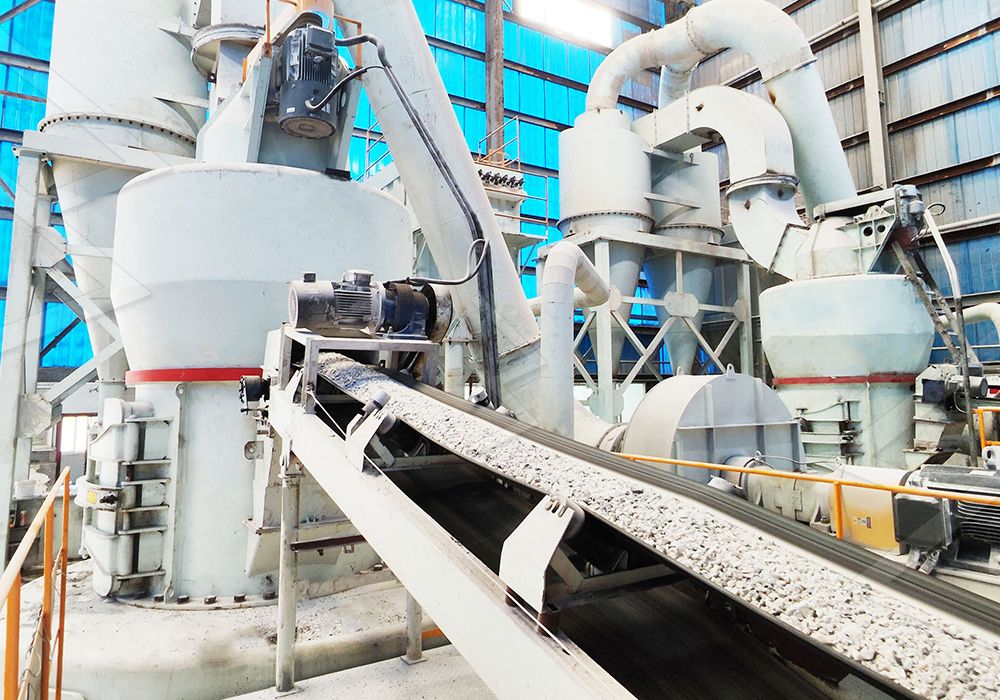
While procedures protect people, equipment design can significantly reduce the need for entry. Modern mills are designed with maintenance and safety as a core priority. For instance, our LM Vertical Coal Mill incorporates several features that minimize hazardous internal interventions.
Its reversible structure and hydraulic roller turning-out device allow the grinding rollers to be easily swung out of the mill body externally for maintenance. This means tasks like inspecting or replacing roller shells and liner plates can often be performed without the need for confined space entry, drastically reducing worker risk exposure. Furthermore, its high efficiency and integrated drying and grinding process promote stable operation and reduce the frequency of clean-outs.
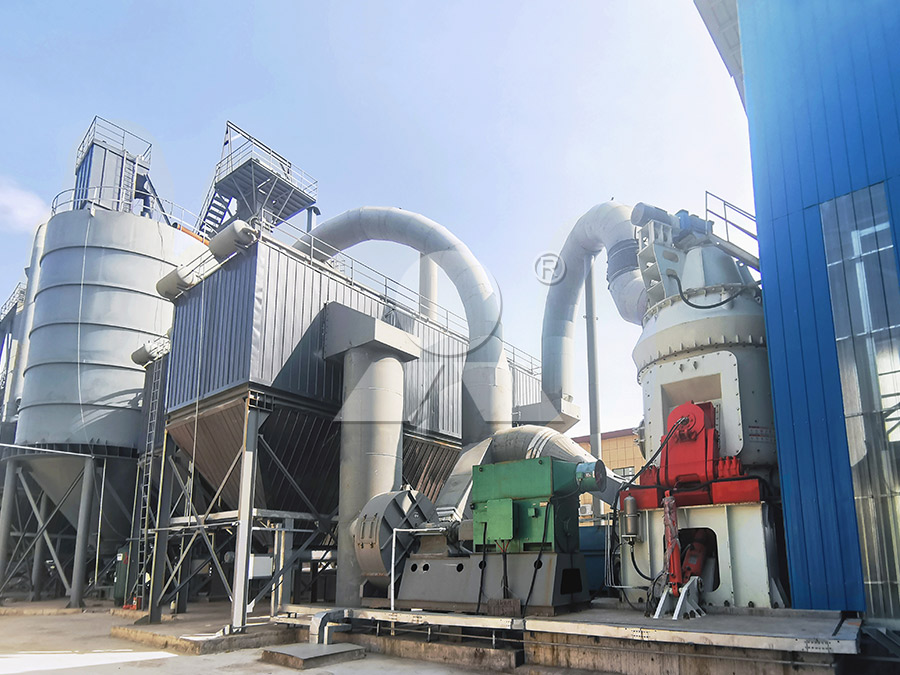
Another excellent option for processing coal is the MW Ultrafine Grinding Mill. A key safety feature of this machine is that there are no rolling bearings or screws inside the grinding chamber. This brilliant design eliminates major failure points that would traditionally require internal inspections and repairs. Operators are freed from worries about damaged internal bearings or loose screws causing catastrophic failures. Combined with its efficient pulse dust collector that contains dust effectively, the MW mill represents a safer, more reliable choice for ultrafine coal powder production, keeping your team out of harm’s way.
Conclusion: Safety inside a coal mill is not a matter of luck; it is the direct result of meticulous planning, strict adherence to procedures, relentless training, and investing in technology designed to keep personnel safe. Always prioritize engineering controls that eliminate the hazard before relying on procedural controls and PPE.