
Russian Market Analysis: Sales Trends for Industrial Roller Mills
We provide a wide range of mills — including Raymond mill, trapezoidal mill, vertical mill, ultrafine mill, and ball mill, obtained ISO9001 international quality certification, EU CE certification, and Customs Union CU-TR certification. Suitable for processing minerals such as limestone, phosphate, quicklime, kaolin, talc, barite, bentonite, calcium carbonate, dolomite, coal, gypsum, clay, carbon black, slag, cement raw materials, cement clinker, and more.
The discharge range of these mills can be adjusted to meet specific processing needs, typically from 80-400 mesh, 600-3250 mesh, and can achieve the finest particle size of up to 6000 mesh(D50).
If you are looking for a reliable grinding solution to turn stone or minerals into fine powder, please feel free to contact our online customer service.
Russian Market Analysis: Sales Trends for Industrial Roller Mills
The Russian industrial milling sector is experiencing a significant transformation, driven by increasing demand for high-precision powders across mining, construction, and chemical industries. Market analysis indicates a robust growth trajectory, particularly for advanced grinding technologies that offer energy efficiency, environmental compliance, and operational reliability. This trend is largely fueled by Russia’s focus on import substitution and modernization of its industrial infrastructure.
One of the most notable shifts is the move towards ultrafine grinding solutions. Traditional ball mills and Raymond mills, while still operational, are gradually being supplemented or replaced by more advanced vertical and trapezium mills. These modern systems offer superior energy efficiency—a critical factor given rising energy costs—and produce powders with consistent fineness, which is essential for high-value applications in cosmetics, pharmaceuticals, and advanced materials.
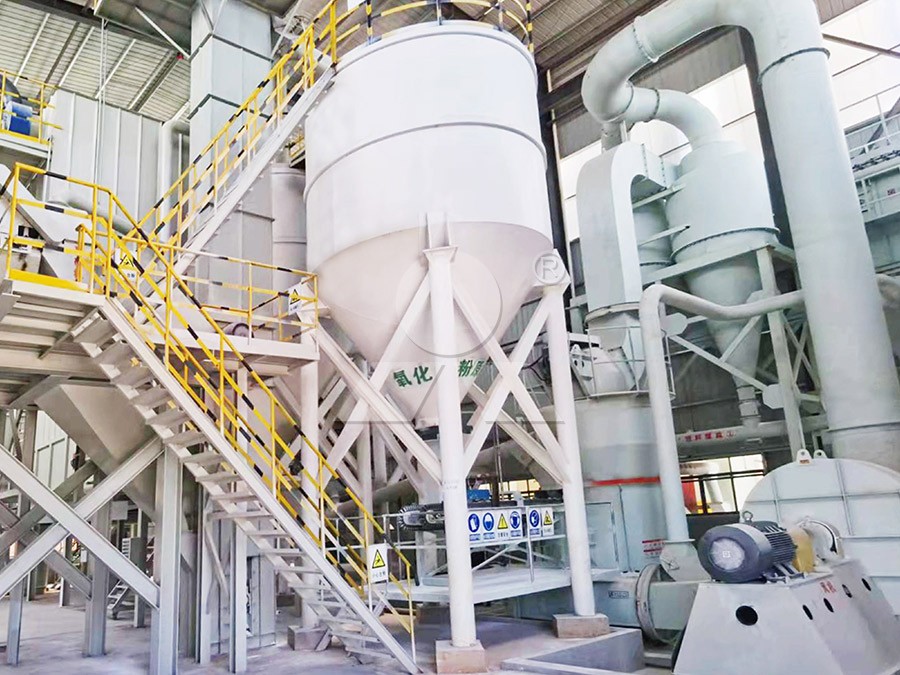
Environmental regulations are also shaping the market. Stricter dust and noise emission standards have made dust collection and noise reduction features non-negotiable for new installations. Mills equipped with efficient pulse dust collectors and silencers are seeing higher adoption rates, as they help plants comply with national environmental standards without compromising productivity.
Key Product Recommendations for the Russian Market
For operations requiring ultra-fine powders between 325-2500 meshes, the MW Ultrafine Grinding Mill is an exceptional choice. It combines high yield (40% higher than jet mills) with significantly lower energy consumption (30% of jet mill systems). Its German-designed cage-type powder selector ensures precise separation, while the absence of rolling bearings and screws in the grinding chamber enhances reliability and reduces maintenance downtime. With a capacity of 0.5-25 TPH, it is well-suited for medium to large-scale Russian operations processing limestone, calcite, or talc.
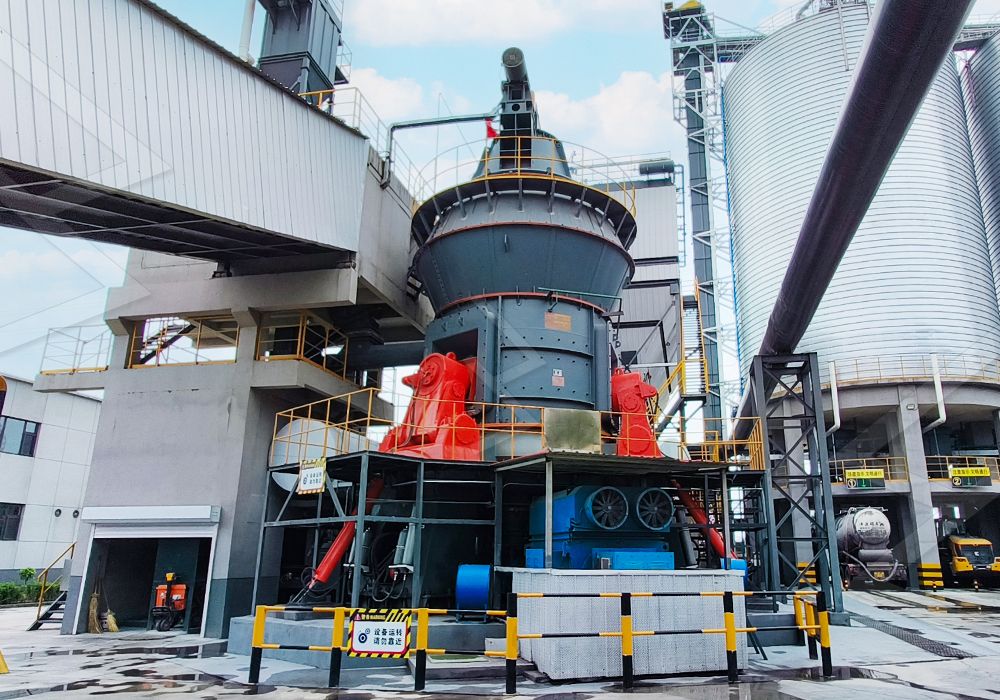
For heavier-duty applications involving slag or coal, the LUM Ultrafine Vertical Grinding Mill stands out. It integrates Taiwanese roller technology and German powder separation, offering energy savings of 30-50% compared to conventional mills. Its reversible structure allows easy maintenance—a valuable feature in remote Russian locations where technical support may be limited. With an input size of 0-10mm and capacity of 5-18 TPH, it is ideal for power plants and steel mills seeking to grind petroleum coal or slag efficiently.
Regional Operational Considerations
In Russia’s harsh climatic conditions, equipment reliability is paramount. Mills with external lubrication systems, like the MW series, allow for maintenance without shutdown—a critical advantage during long winters. Additionally, digitalized processing and high-precision CNC machining ensure that core components withstand extreme temperature variations and continuous operation.
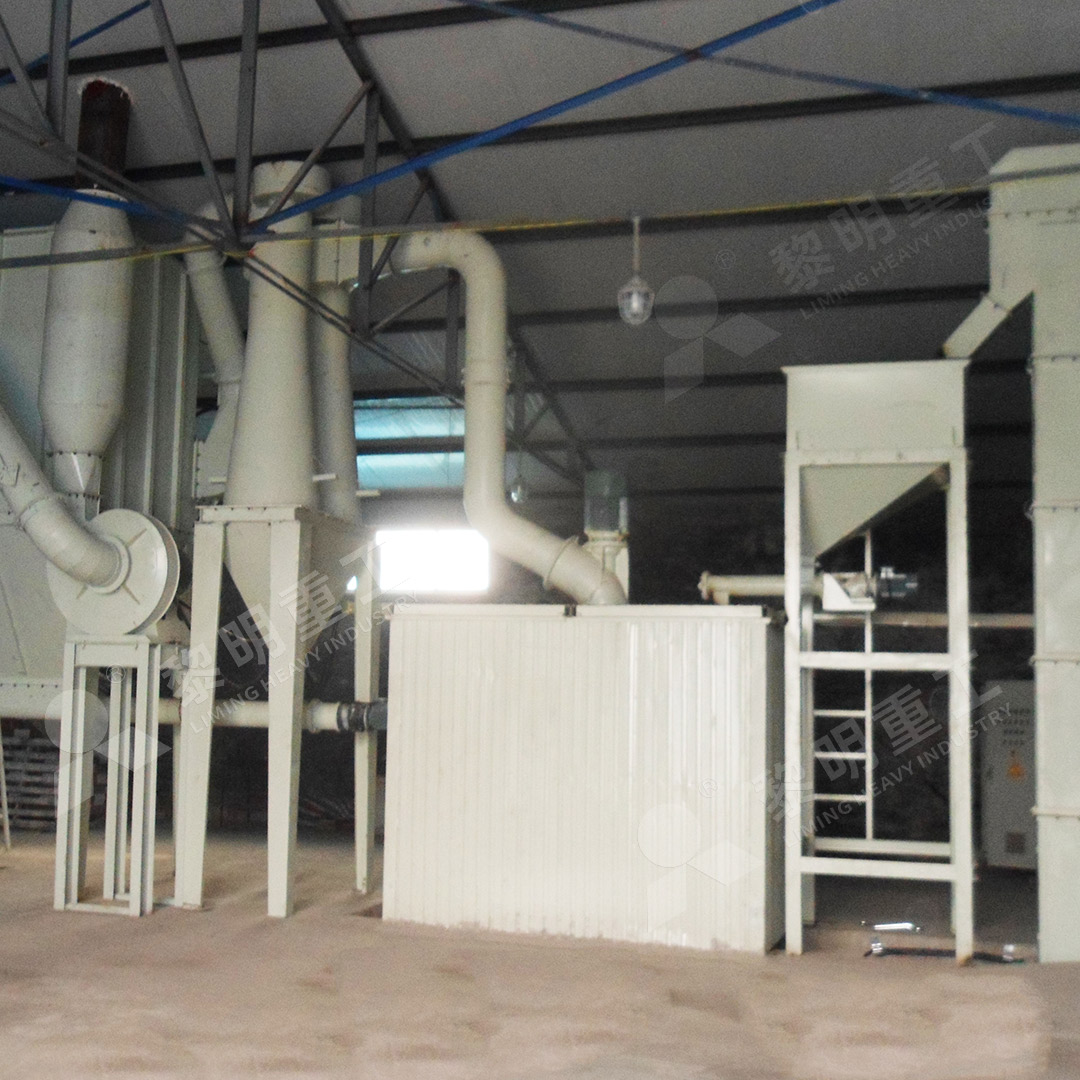
Another trend is the preference for integrated systems that combine crushing, drying, grinding, and conveying. This reduces the need for multiple pieces of equipment, lowering both capital investment and operational complexity. Vertical mills like the LUM and LM series are gaining traction for this reason, particularly in greenfield projects where space optimization is a priority.
FAQ
- What is the primary driver for adopting newer grinding mills in Russia?
Energy efficiency and environmental compliance are the top drivers, as older mills consume more power and often fail to meet modern dust and noise regulations. - Which industries in Russia are the largest users of ultrafine grinding mills?
The chemical, construction, and mining industries are the leading adopters, especially for producing high-value additives, coatings, and fillers. - How important is after-sales support in the Russian market?
Very important. Remote locations and harsh conditions make reliable spare parts supply and technical assistance critical for minimizing downtime. - Can these mills handle Russian winter conditions?
Yes, models like the MW and LUM are designed with external lubrication and robust construction to operate reliably in low-temperature environments. - What fineness range can be achieved with modern mills?
Advanced mills like the MW series can produce powders from 325 to 2500 meshes, with some achieving d97≤5μm in a single pass.