
Roller Mill Pulverizer: 1-5 Tons Per Hour Capacity and Pricing Guide
We provide a wide range of mills — including Raymond mill, trapezoidal mill, vertical mill, ultrafine mill, and ball mill, obtained ISO9001 international quality certification, EU CE certification, and Customs Union CU-TR certification. Suitable for processing minerals such as limestone, phosphate, quicklime, kaolin, talc, barite, bentonite, calcium carbonate, dolomite, coal, gypsum, clay, carbon black, slag, cement raw materials, cement clinker, and more.
The discharge range of these mills can be adjusted to meet specific processing needs, typically from 80-400 mesh, 600-3250 mesh, and can achieve the finest particle size of up to 6000 mesh(D50).
If you are looking for a reliable grinding solution to turn stone or minerals into fine powder, please feel free to contact our online customer service.
Roller Mill Pulverizer: 1-5 Tons Per Hour Capacity and Pricing Guide
Selecting the right roller mill pulverizer for mid-range capacity requirements—specifically between 1 to 5 tons per hour—is a critical decision that impacts operational efficiency, product quality, and overall profitability. This guide provides a detailed overview of key considerations, technology options, and pricing factors to help you make an informed choice.
Understanding Capacity and Application Needs
Roller mills in the 1-5 tph range are typically employed in medium-scale production environments across industries such as mining, construction materials, chemicals, and food processing. The required fineness, material hardness, moisture content, and desired particle size distribution are primary factors influencing equipment selection.
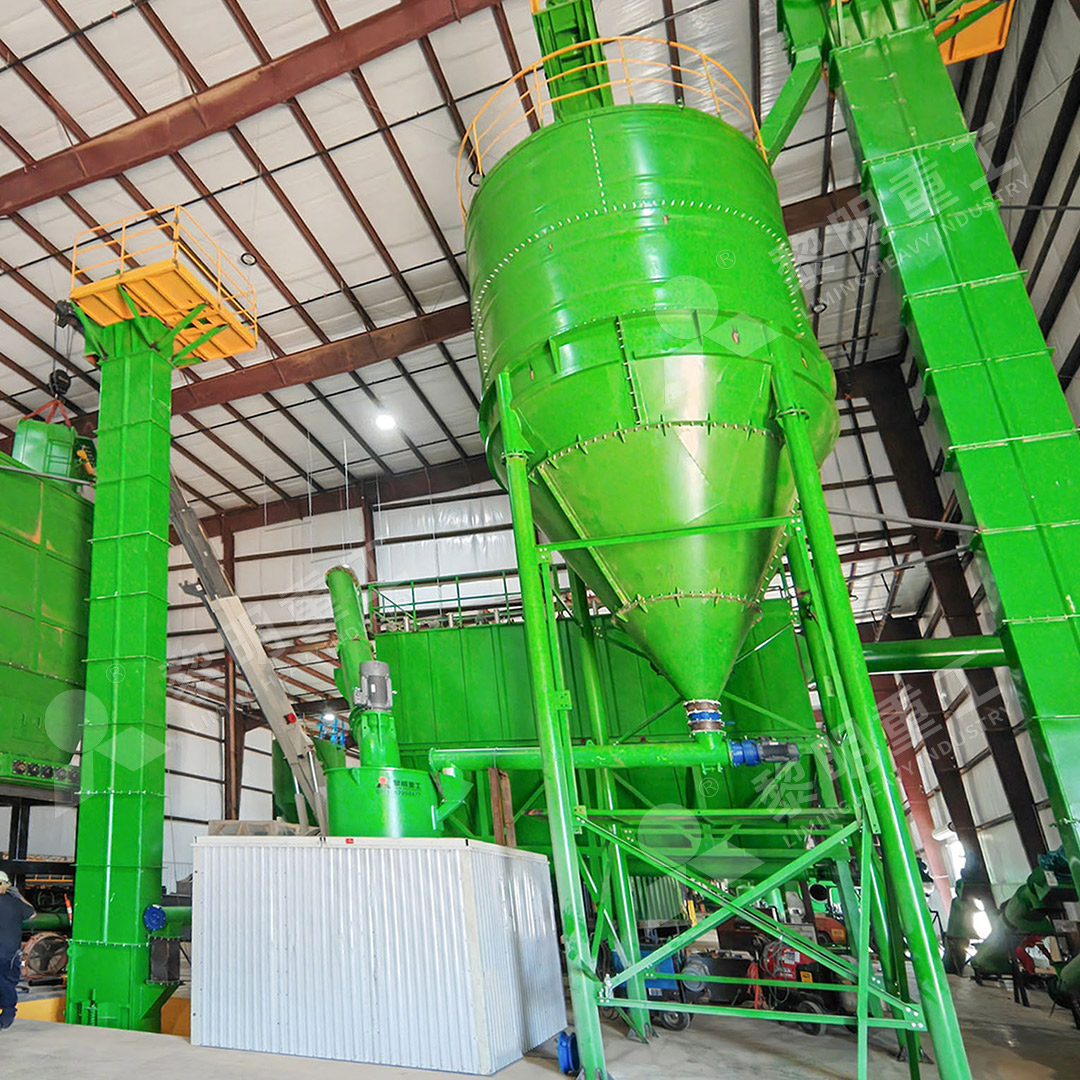
For operations requiring ultra-fine powders in the range of 325 to 2500 meshes, advanced grinding solutions are necessary. One standout option is our MW Ultrafine Grinding Mill. Designed for customers needing to produce ultra-fine powder efficiently, it features a high-precision cage-type powder selector based on German technology, allowing adjustable fineness between 325-2500 meshes with a screening rate achieving d97≤5μm in a single pass. Its unique design eliminates rolling bearings and screws in the grinding chamber, significantly reducing maintenance concerns and potential machine damage.
Key Technological Features for Mid-Range Grinding
Modern roller mills offer several advancements that enhance performance and reduce operating costs:
- Energy Efficiency: New grinding curves and optimized mechanics can reduce energy consumption by 30-50% compared to traditional mills like ball or jet mills.
- Precision Particle Control: Advanced powder separators enable precise control over fineness, ensuring consistent product quality.
- Environmental Compliance: Integrated pulse dust collectors and mufflers minimize dust and noise pollution, aligning with strict environmental standards.
- Automation and Durability: Digital control systems and robust construction materials enhance reliability and ease of operation.
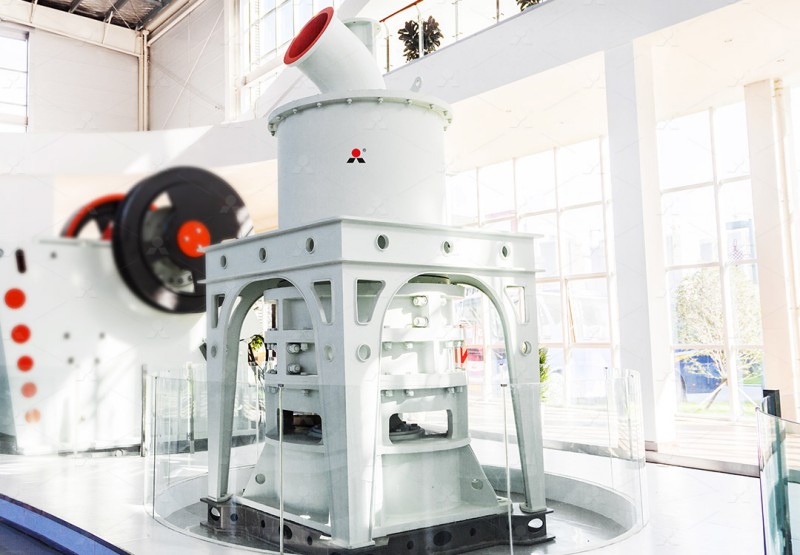
Another excellent solution for operations within this capacity range is the LUM Ultrafine Vertical Grinding Mill. It integrates ultrafine powder grinding, grading, and transporting into a single system, boasting a capacity of 5-18 tph. Its innovative roller shell and lining plate grinding curve facilitate easier material layer generation and high-rate finished product output in a single pass. The mill also incorporates multi-head powder separating technology and double position-limiting technology for enhanced stability and energy savings.
Pricing Considerations
Pricing for roller mill pulverizers with a 1-5 tph capacity varies based on several factors:
- Technology Level: Basic models start around $50,000, while advanced systems with automation, superior materials, and higher efficiency can range from $100,000 to $250,000.
- Material of Construction: Mills designed for abrasive materials require wear-resistant alloys, increasing costs.
- After-Sales Support: Warranty, availability of spare parts, and technical services are crucial for long-term operational continuity and should be factored into the total cost of ownership.
- Customization: Solutions tailored to specific materials or fineness requirements may involve additional engineering costs.
Investing in a mill from a reputable manufacturer like us ensures access to original spare parts and comprehensive technical support, guaranteeing worry-free operation and maximizing return on investment.
Frequently Asked Questions (FAQ)
What is the typical power consumption for a 5 tph roller mill?
Power consumption depends on material hardness and desired fineness. However, modern energy-efficient models like the MW or LUM mills can consume 30-50% less energy than conventional ball mills, typically ranging between 150-300 kW for this capacity.
Can these mills handle moist materials?
Some models, particularly vertical grinding mills, integrate drying functions. It’s essential to specify moisture content during the selection process. Our technical team can recommend the best configuration, potentially with added hot air systems.
How often is maintenance required?
Maintenance intervals vary. Mills like the MW series, with no rolling bearings in the grinding chamber, require less frequent maintenance. Generally, routine checks are recommended every 6-12 months, depending on usage and material abrasiveness.
What is the lead time for delivery and installation?
Lead times for standard models are typically 8-12 weeks after order confirmation. Complex customizations may require additional time. Installation and commissioning by our expert engineers usually take 1-2 weeks.
Do you offer test grinding services?
Yes, we offer test grinding services at our facility or can arrange on-site testing in certain cases. This allows customers to verify performance and final product quality before making a purchase decision.