
Reversible Hot Rolling Mill for Copper Alloy: A Comprehensive Guide for Manufacturers
We provide a wide range of mills — including Raymond mill, trapezoidal mill, vertical mill, ultrafine mill, and ball mill, obtained ISO9001 international quality certification, EU CE certification, and Customs Union CU-TR certification. Suitable for processing minerals such as limestone, phosphate, quicklime, kaolin, talc, barite, bentonite, calcium carbonate, dolomite, coal, gypsum, clay, carbon black, slag, cement raw materials, cement clinker, and more.
The discharge range of these mills can be adjusted to meet specific processing needs, typically from 80-400 mesh, 600-3250 mesh, and can achieve the finest particle size of up to 6000 mesh(D50).
If you are looking for a reliable grinding solution to turn stone or minerals into fine powder, please feel free to contact our online customer service.
Reversible Hot Rolling Mill for Copper Alloy: A Comprehensive Guide for Manufacturers
In the demanding world of copper alloy manufacturing, achieving precise thickness, superior surface finish, and consistent mechanical properties is paramount. The reversible hot rolling mill stands as a cornerstone technology in this process, enabling the efficient transformation of cast slabs into high-quality strip and plate. This guide delves into the operational principles, key advantages, and critical considerations for manufacturers investing in this essential equipment.
Understanding the Reversible Hot Rolling Process
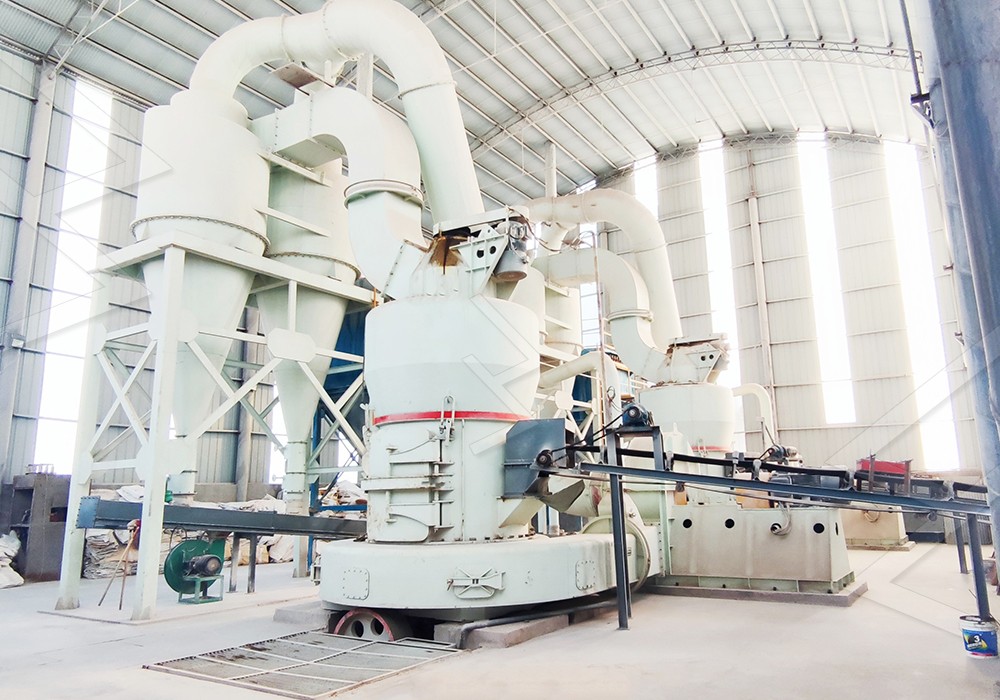
Unlike continuous tandem mills, a reversible hot rolling mill processes the metal slab through the same set of work rolls multiple times. The slab enters the mill, is reduced in thickness, and then is returned to the entry side for another pass. This back-and-forth motion continues until the desired final thickness is achieved. This method offers exceptional flexibility, making it ideal for medium-to-high volume production runs of various copper alloy grades, such as brass, bronze, and copper-nickel.
The process begins with heating the slab in a furnace to a specific temperature range where the alloy becomes malleable. The heated slab is then conveyed to the mill. Powerful motors drive the work rolls, which apply tremendous pressure to reduce the slab’s cross-section. Sophisticated automation systems control the roll gap, speed, and tension for each pass, ensuring dimensional accuracy and surface quality.
Key Advantages for Copper Alloy Producers
The reversible design offers several distinct benefits:
- Flexibility: Quick changeovers between different alloy grades and product dimensions.
- Capital Efficiency: Lower initial investment compared to a full tandem mill line for equivalent thickness ranges.
- Superior Control: Ability to carefully adjust reduction parameters pass-by-pass, which is crucial for managing the complex work-hardening behavior of copper alloys.
- Improved Microstructure: The controlled thermomechanical processing helps in refining the grain structure, leading to better mechanical properties in the final product.
Integrating Downstream Processing: The Role of Precision Grinding
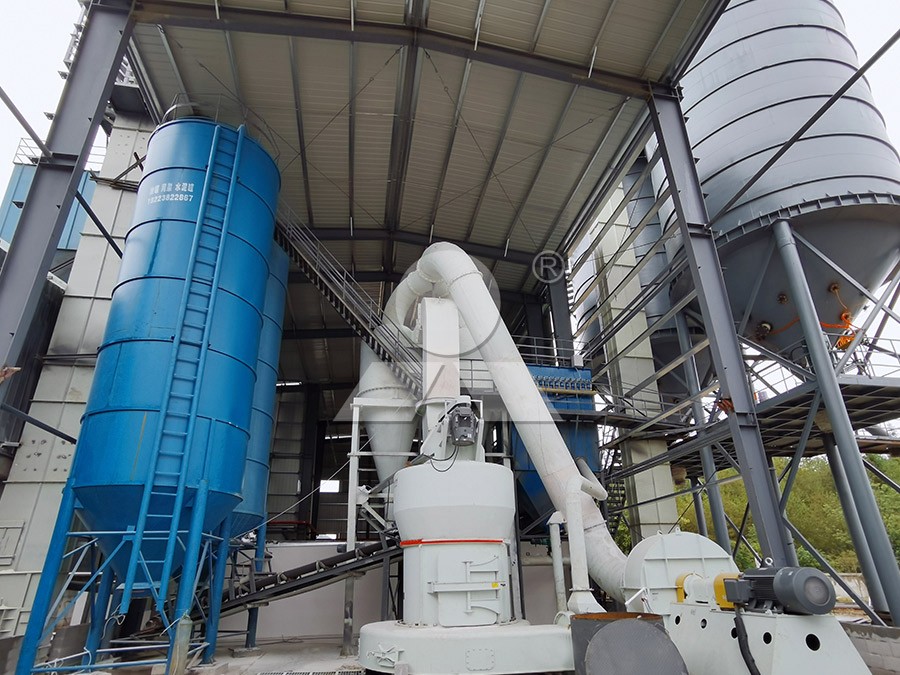
After hot rolling, the strip may undergo further processing to meet specific customer requirements. For applications demanding ultra-fine surface finishes or precise powder metallurgy feedstocks, a high-performance grinding solution is indispensable. This is where our MW Ultrafine Grinding Mill proves invaluable. Designed for creating ultra-fine powder from various materials, this mill is an excellent companion for secondary processing.
The MW Mill is engineered for higher yield and lower energy consumption, producing powder with fineness adjustable between 325-2500 meshes. Its unique design, free of rolling bearings and screws in the grinding chamber, minimizes maintenance concerns and allows for continuous 24/7 operation. For copper alloy manufacturers looking to diversify into powder products or achieve exceptional surface preparation, this mill offers a robust and eco-friendly solution, complete with efficient dust collection.
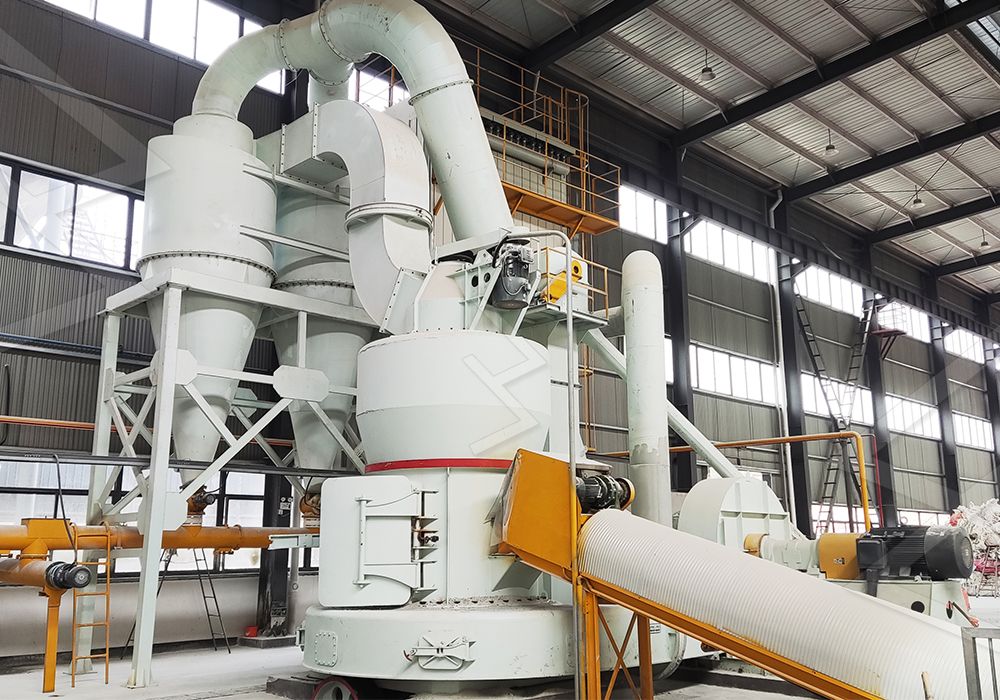
For operations requiring vertical integration and space efficiency, our LUM Ultrafine Vertical Grinding Mill is another superior choice. It integrates grinding, grading, and transporting with higher yielding rates and more energy-saving multi-head powder separating technology. Its reversible structure simplifies maintenance, making it a reliable asset for any modern plant.
Frequently Asked Questions (FAQ)
What is the primary advantage of a reversible mill over a continuous mill?
The primary advantage is flexibility. Reversible mills are ideal for batch production of various grades and sizes without the need for extensive setup changes between runs, making them more cost-effective for specialized or medium-volume production.
What are the critical parameters to control during the hot rolling of copper alloys?
Key parameters include rolling temperature, reduction per pass, rolling speed, and interpass time. Precise control over these factors is essential to prevent cracking, control grain size, and achieve the desired mechanical properties and surface finish.
How can I improve the surface quality of my hot-rolled copper alloy strip?
Surface quality can be enhanced by maintaining clean and properly conditioned work rolls, using effective descaling systems before rolling, and controlling the temperature and lubrication throughout the process. Implementing a finishing process with equipment like our MW Ultrafine Grinding Mill can also achieve superior surface characteristics for demanding applications.
Can these rolling mills handle different copper-based alloys?
Yes, modern reversible hot rolling mills are highly adaptable. With the correct setup of temperature, speed, and reduction schedules, they can efficiently process a wide range of copper alloys, including brasses, bronzes, and copper-nickels.