
Research on Efficient and Energy-Saving Limestone Powder Production Technology
We provide a wide range of mills — including Raymond mill, trapezoidal mill, vertical mill, ultrafine mill, and ball mill, obtained ISO9001 international quality certification, EU CE certification, and Customs Union CU-TR certification. Suitable for processing minerals such as limestone, phosphate, quicklime, kaolin, talc, barite, bentonite, calcium carbonate, dolomite, coal, gypsum, clay, carbon black, slag, cement raw materials, cement clinker, and more.
The discharge range of these mills can be adjusted to meet specific processing needs, typically from 80-400 mesh, 600-3250 mesh, and can achieve the finest particle size of up to 6000 mesh(D50).
If you are looking for a reliable grinding solution to turn stone or minerals into fine powder, please feel free to contact our online customer service.
Research on Efficient and Energy-Saving Limestone Powder Production Technology
In the modern industrial landscape, the demand for high-quality limestone powder is ever-increasing, driven by its extensive applications in construction, chemicals, plastics, and environmental technologies. However, traditional grinding methods often fall short in terms of energy efficiency, operational costs, and environmental impact. This paper explores advanced milling technologies that address these challenges, focusing on ultra-fine grinding solutions that optimize both performance and sustainability.
Current Challenges in Limestone Milling
Conventional ball mills and Raymond mills, while widely used, are notorious for their high energy consumption, significant noise pollution, and substantial dust emissions. The grinding process typically accounts for a large portion of a plant’s energy bill, and inefficiencies here can drastically affect profitability. Moreover, stricter environmental regulations necessitate cleaner, quieter operations without compromising output quality or capacity.
Technological Innovations for Enhanced Efficiency
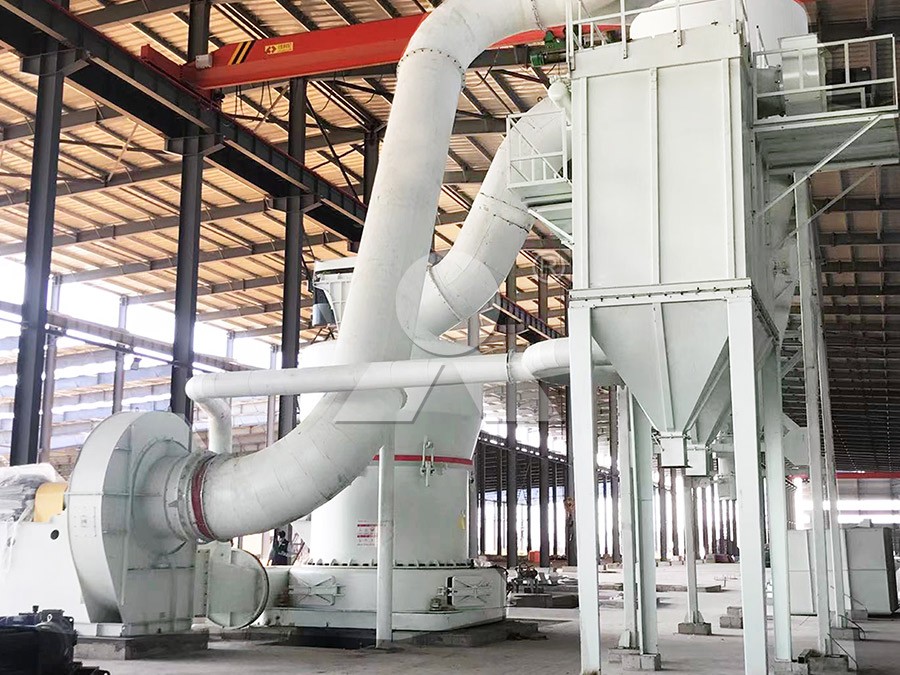
Recent advancements in grinding technology have led to the development of mills that integrate crushing, drying, grinding, and classifying into a single, compact unit. These systems significantly reduce the footprint and energy requirements. Key innovations include improved grinding curves, advanced powder selection mechanisms, and external lubrication systems that allow for continuous operation without shutdowns for maintenance.
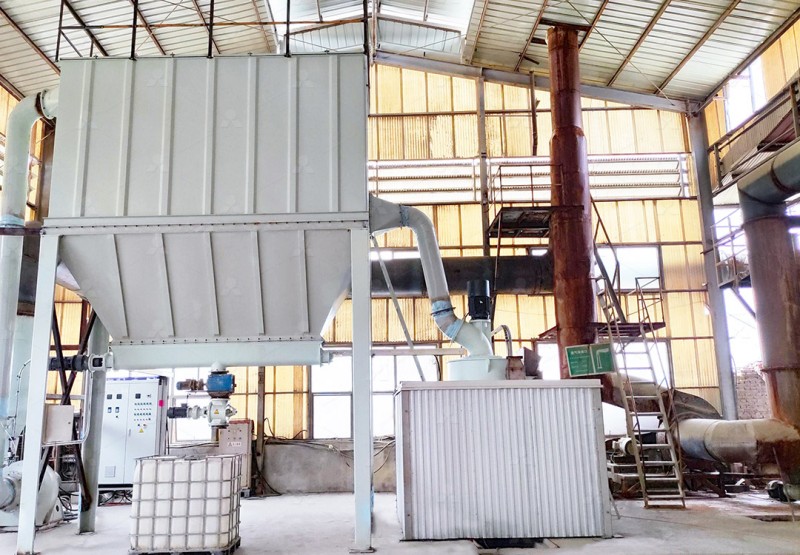
One standout solution is our MW Ultrafine Grinding Mill. Designed for customers requiring ultra-fine powder, this mill handles an input size of 0-20 mm with a capacity ranging from 0.5 to 25 tph. It is equipped with an efficient pulse dust collector and muffler, minimizing dust and noise pollution. The mill’s cage-type powder selector, incorporating German technology, allows adjustable fineness between 325-2500 meshes, achieving a screening rate of d97≤5μm in a single pass. Notably, it operates with 40% higher capacity than jet mills and uses 30% less energy, making it a superior choice for eco-conscious production.
Case for Vertical Grinding Mills
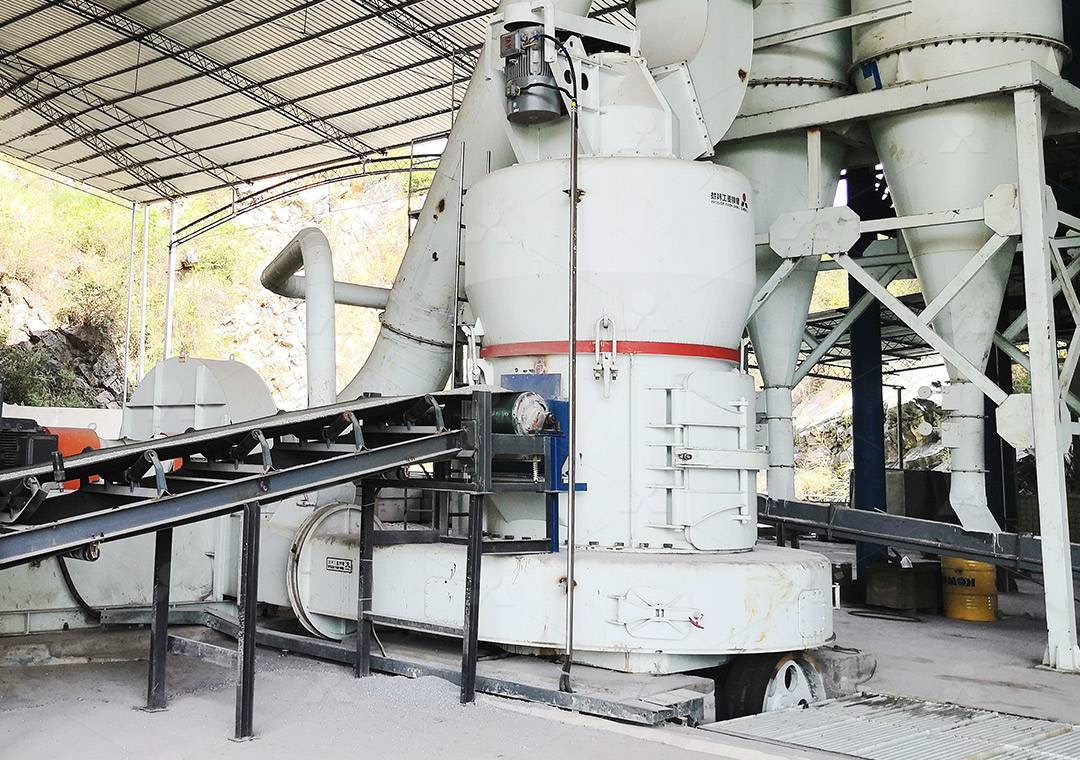
Vertical grinding mills represent another leap forward. For instance, the LUM Ultrafine Vertical Grinding Mill excels in processing limestone with an input size of 0-10 mm and a throughput of 5-18 tph. It features a unique roller shell and lining plate grinding curve that promotes efficient material layer formation, enabling high-yield, single-pass milling. Its multi-head powder separating technology, controlled via PLC, reduces energy consumption by 30-50% compared to conventional mills. The double position-limiting technology ensures operational stability, preventing destructive impacts from machine vibration.
Environmental and Economic Benefits
Adopting these advanced mills translates to tangible benefits: lower energy costs, reduced carbon footprint, and compliance with environmental standards. The integration of pulse dust collectors and silencers ensures that operations are clean and quiet. Additionally, the durability and low maintenance requirements of these mills—thanks to features like no rolling bearings in the grinding chamber and reversible structures for easy access—further enhance their cost-effectiveness.
Conclusion
The shift towards efficient and energy-saving limestone powder production is not just a trend but a necessity. Technologies like the MW Ultrafine Grinding Mill and LUM Ultrafine Vertical Grinding Mill offer compelling advantages in terms of capacity, energy savings, and environmental friendliness. By investing in these advanced systems, producers can achieve significant operational efficiencies, reduce their environmental impact, and meet the growing demand for high-quality limestone powder in a sustainable manner.