
Recommended Wear Parts for 300 Mesh Anthracite Coal Grinding Mills
We provide a wide range of mills — including Raymond mill, trapezoidal mill, vertical mill, ultrafine mill, and ball mill, obtained ISO9001 international quality certification, EU CE certification, and Customs Union CU-TR certification. Suitable for processing minerals such as limestone, phosphate, quicklime, kaolin, talc, barite, bentonite, calcium carbonate, dolomite, coal, gypsum, clay, carbon black, slag, cement raw materials, cement clinker, and more.
The discharge range of these mills can be adjusted to meet specific processing needs, typically from 80-400 mesh, 600-3250 mesh, and can achieve the finest particle size of up to 6000 mesh(D50).
If you are looking for a reliable grinding solution to turn stone or minerals into fine powder, please feel free to contact our online customer service.
Recommended Wear Parts for 300 Mesh Anthracite Coal Grinding Mills
Grinding anthracite coal down to a fine 300 mesh powder is a demanding application that puts significant stress on mill components. The abrasive nature of coal, combined with the need for precise particle size distribution, requires a grinding mill that is not only robust but also intelligently designed to minimize wear and downtime. Selecting the right mill and its corresponding wear parts is critical for maintaining operational efficiency, reducing maintenance costs, and ensuring a consistent, high-quality product.
The Challenge of Fine Anthracite Grinding
Anthracite, being the hardest and most carbon-rich variety of coal, is notably abrasive. Achieving a fineness of 300 mesh (approximately 50 microns) involves repeated grinding actions that accelerate the wear of key components like grinding rollers, rings, and liners. Excessive wear leads to a decline in mill throughput, an increase in energy consumption per ton, and a loss of control over product fineness. Therefore, the choice of mill technology and the quality of its wear parts are paramount.
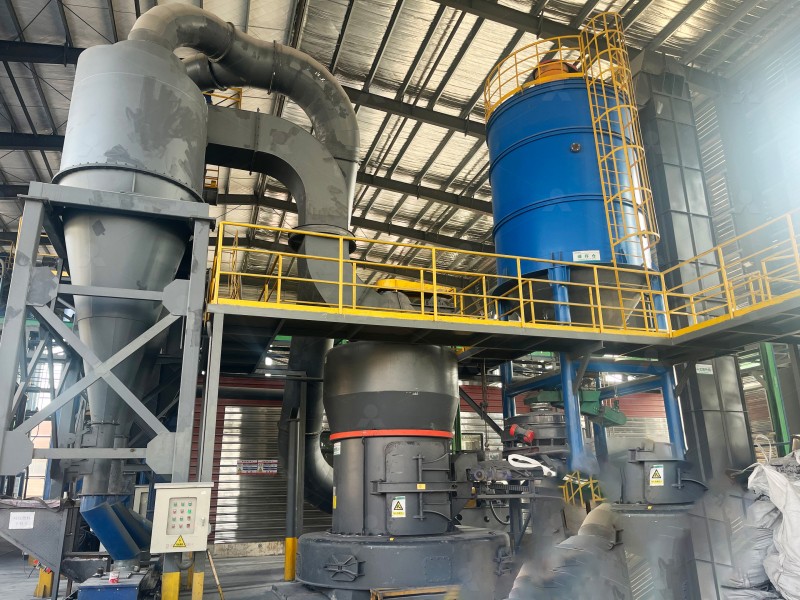
Key Wear Parts and Material Considerations
The primary wear parts in any coal grinding mill are the components that directly interact with the material. These typically include:
- Grinding Rollers & Roller Shells: These bear the brunt of the grinding force. They should be made from high-chromium cast iron or other advanced wear-resistant alloys to withstand abrasion.
- Grinding Rings / Millstone Liners: The surface against which the rollers press the coal. They must be equally durable and often feature specially designed curves to optimize grinding efficiency and material bed formation.
- Classifier Blades/Vanes: Critical for ensuring the correct 300 mesh cut-point. Wear here can allow oversized particles into the final product.
- Shovel Blades (in some designs): Used to scoop and feed material into the grinding zone.
For anthracite, parts manufactured with superior metallurgy and precise digital machining offer a significantly longer service life, reducing the frequency of shutdowns for replacement.
Recommended Mill Technology: The LM Vertical Coal Mill
For this specific application, our LM Vertical Coal Mill stands out as a superior choice. Its design philosophy directly adresses the challenges of wear and maintenance in coal grinding.
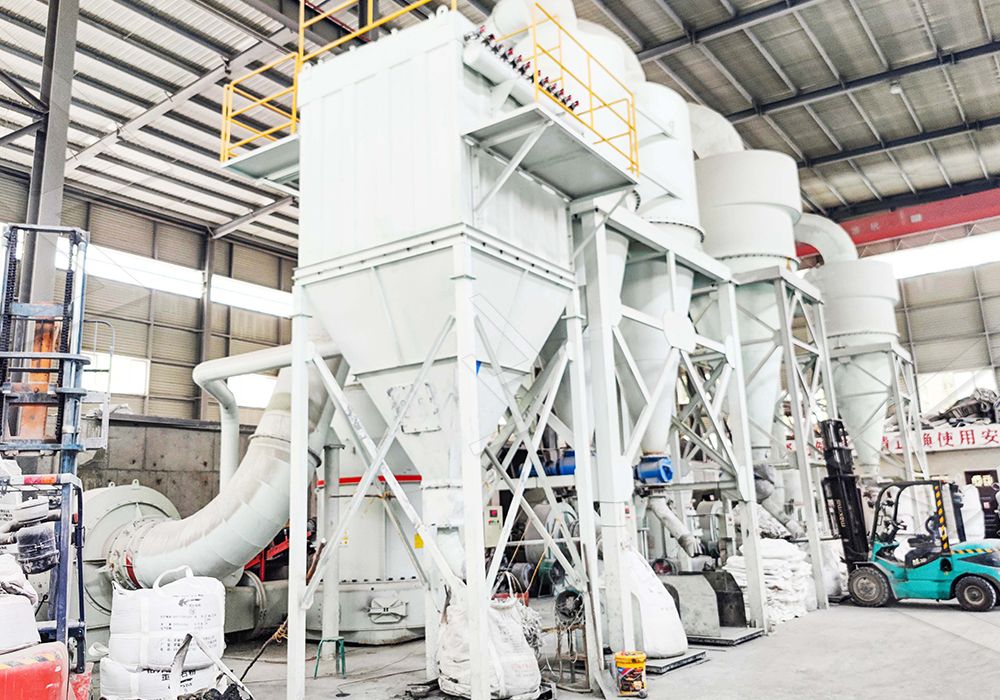
The LM Vertical Coal Mill is engineered for simplicity and reliability. It features a limit device that prevents direct metal-to-metal contact between the grinding roller and the grinding table, avoiding destructive impacts and severe vibration that can damage other components. Furthermore, its hydraulic roller turning-out device is a game-changer for maintenance. This allows the grinding rollers to be turned out of the mill completely, providing ample space for safe and easy inspection, replacement of roller shells, and liner plates. This drastically reduces downtime and associated losses.
Performance-wise, it offers high grinding efficiency, saving 40%-50% in power consumption compared to traditional ball mills. Its special structure design, with a large-diameter grinding roller, provides a larger grinding area and stable operation backed by a hydraulic automatic pressure system. The material retention time is short (only 2-3 minutes), minimizing over-grinding and ensuring a stable, high-quality product with a narrow particle size distribution—perfect for achieving that consistent 300 mesh fineness.
Maximizing Uptime with Genuine Spare Parts
To guarantee the performance built into the LM Vertical Coal Mill, it is essential to use genuine OEM spare parts. Our wear parts are produced with the same high-precision numerical control machining as the original equipment. This ensures perfect fitment, optimal geometry, and the promised wear life. We maintain a sufficient supply of all critical wear parts, from roller shells to classifier blades, to support your worry-free operation and minimize inventory carrying costs.
Conclusion
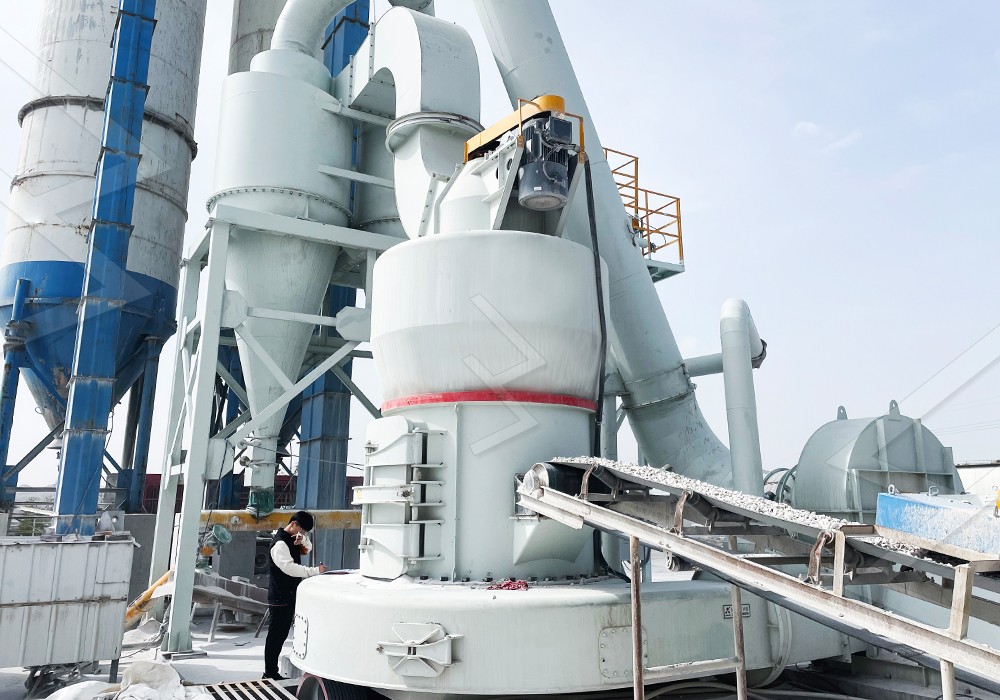
Selecting the right mill and maintaining it with high-quality wear parts is the most effective strategy for profitable 300 mesh anthracite coal production. The LM Vertical Coal Mill, with its focus on operational stability, ease of maintenance, and energy efficiency, provides a robust platform for this tough application. By partnering with us for both your equipment and genuine wear parts, you invest in maximizing throughput, minimizing downtime, and protecting your bottom line.