
Recommended Limestone Grinding Mill Models for Industrial Applications
We provide a wide range of mills — including Raymond mill, trapezoidal mill, vertical mill, ultrafine mill, and ball mill, obtained ISO9001 international quality certification, EU CE certification, and Customs Union CU-TR certification. Suitable for processing minerals such as limestone, phosphate, quicklime, kaolin, talc, barite, bentonite, calcium carbonate, dolomite, coal, gypsum, clay, carbon black, slag, cement raw materials, cement clinker, and more.
The discharge range of these mills can be adjusted to meet specific processing needs, typically from 80-400 mesh, 600-3250 mesh, and can achieve the finest particle size of up to 6000 mesh(D50).
If you are looking for a reliable grinding solution to turn stone or minerals into fine powder, please feel free to contact our online customer service.
Recommended Limestone Grinding Mill Models for Industrial Applications
Selecting the optimal grinding mill for limestone processing is a critical decision that directly impacts operational efficiency, product quality, and overall profitability. Limestone’s versatility, used in everything from construction aggregates to high-purity fillers in paints and plastics, demands equipment capable of delivering a precise range of fineness with exceptional reliability. This article explores the key considerations for choosing a limestone mill and highlights two superior models engineered for excellence.
Key Selection Criteria for Limestone Mills
Before recommending specific models, it’s essential to understand the core factors that define a mill’s suitability for limestone:
- Required Fineness (Mesh Size): Applications range from coarse agricultural lime (~20 mesh) to ultra-fine powders for plastics (>800 mesh).
- Production Capacity (TPH): The mill must match the plant’s throughput requirements without becoming a bottleneck.
- Energy Efficiency: Grinding is an energy-intensive process; lower kWh/t consumption drastically reduces operating costs.
- System Footprint: A compact design saves valuable floor space in industrial settings.
- Environmental Compliance: Effective dust collection and noise suppression are non-negotiable for modern operations.
- Ease of Maintenance: Designs that simplify wear part inspection and replacement minimize costly downtime.
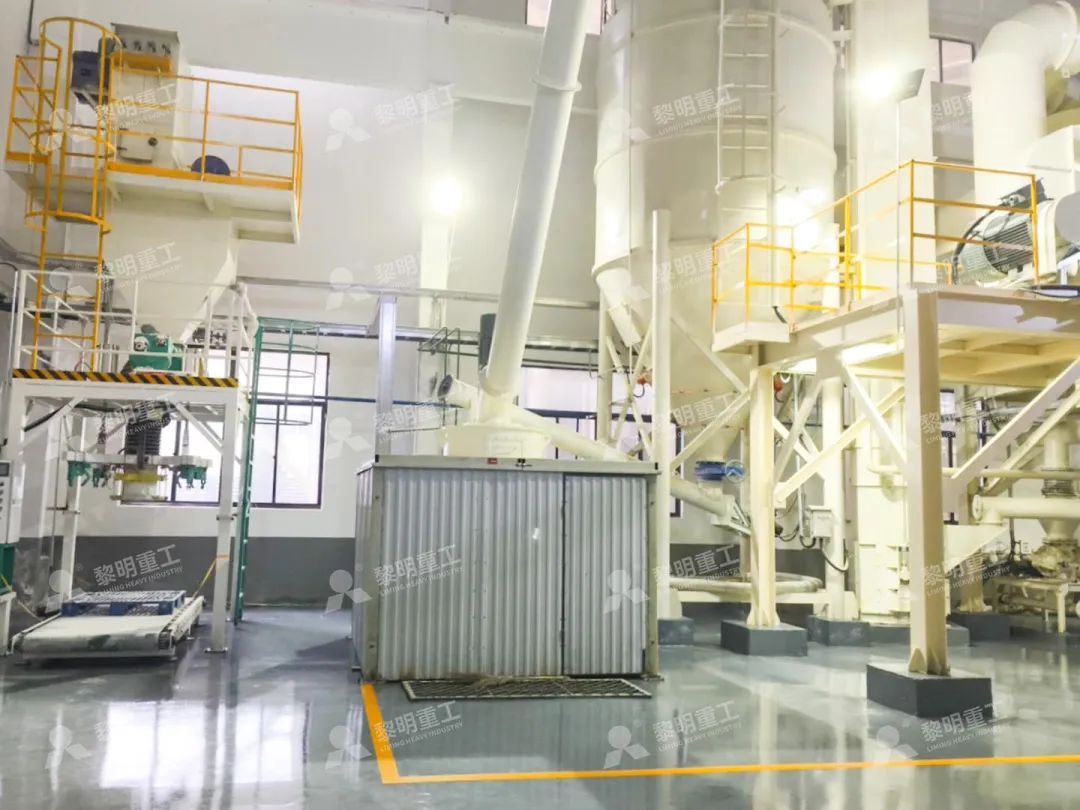
Top-Tier Mill Recommendations for Limestone
Based on the stringent criteria above, two models from our portfolio stand out for their advanced engineering and proven performance in limestone applications.
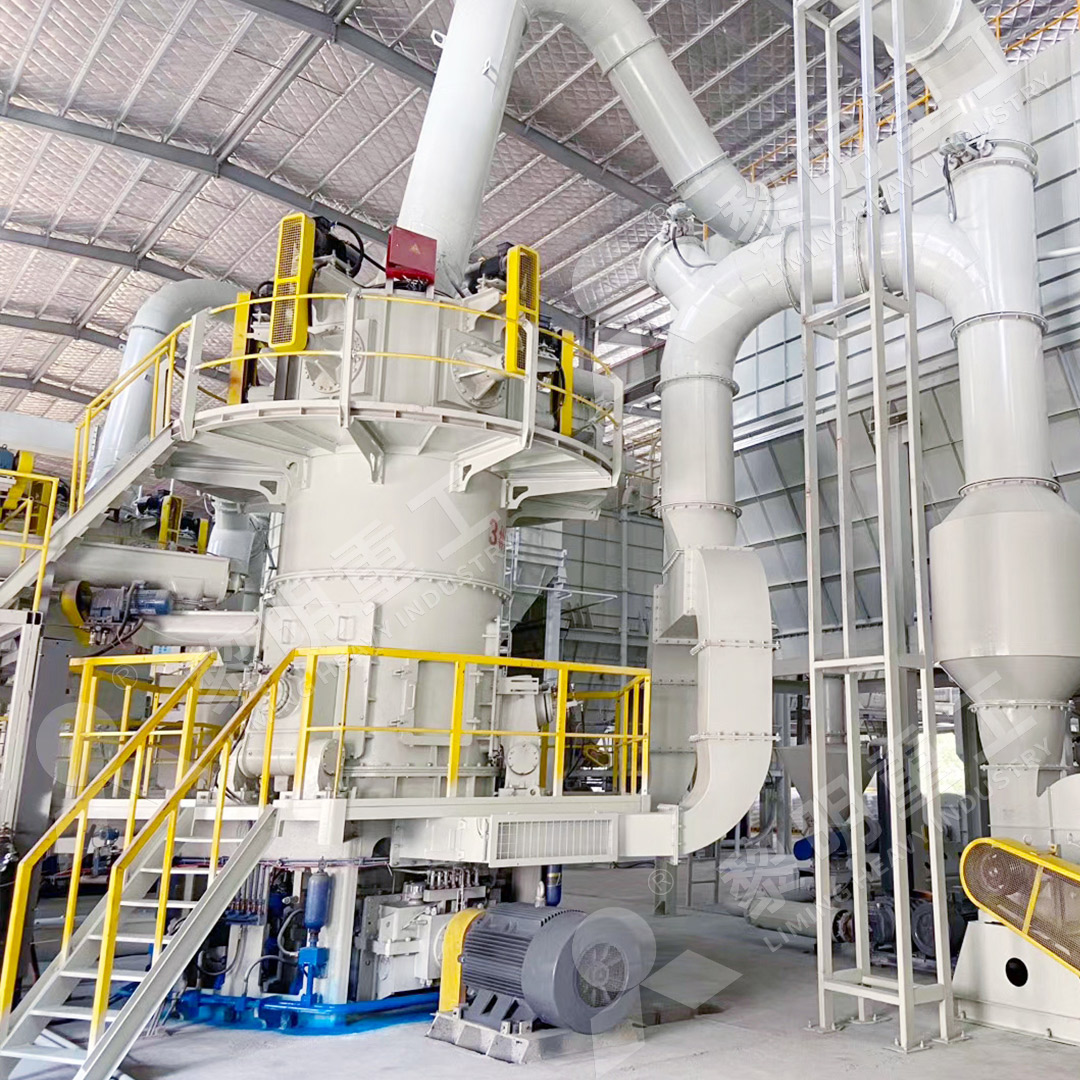
1. MW Ultrafine Grinding Mill: For Ultra-Fine Powder Production
For operations requiring ultra-fine limestone powder (325-2500 meshes), the MW Ultrafine Grinding Mill is the unequivocal choice. This mill is specifically designed for customers who need to produce high-value, superfine powders for industries like plastics, paints, and coatings.
Its standout feature is the German-technology, cage-type powder selector, which provides unparalleled precision in particle separation, ensuring a consistent product fineness up to d97≤5μm. With an input size of 0-20 mm and a capacity range of 0.5-25 TPH, it offers remarkable flexibility. Perhaps its most significant operational advantage is its internal design: the absence of rolling bearings and screws in the grinding chamber eliminates common failure points, allowing for continuous 24/7 operation with minimal risk of unscheduled stoppages. Coupled with its efficient pulse dust collector, it operates as a clean, closed system, meeting all national environmental protection standards.
2. LUM Ultrafine Vertical Grinding Mill: For Efficiency and Precision
When the priority is a blend of high capacity, exceptional energy savings, and superior product quality, the LUM Ultrafine Vertical Grinding Mill excels. Integrating the latest Taiwanese grinding roller technology and German powder separating technology, this vertical mill is a masterpiece of efficiency.
It handles a feed size of 0-10 mm and delivers a robust 5-18 TPH. Its unique roller shell and lining plate grinding curve promote stable material layer formation, enabling a high rate of finished product in a single pass. This design not only boosts efficiency but also enhances the whiteness and cleanliness of the final limestone powder—a critical quality metric. The mill’s PLC control system and multi-head powder separating technology allow for precise control over grinding parameters, reducing energy consumption by 30%-50% compared to conventional mills. Furthermore, its innovative reversible structure allows the heavy grinding roller to be easily hydraulically swung out for maintenance, drastically reducing service time and associated losses.
Conclusion
The choice between the MW and LUM models ultimately hinges on your specific fineness target and production scale. For unparalleled ultra-fine grinding, the MW Series is unmatched. For larger-scale production demanding exceptional efficiency and product quality, the LUM Vertical Mill is the superior solution. Both are backed by our commitment to precision manufacturing and comprehensive technical support, ensuring worry-free operation throughout their lifecycle.
Frequently Asked Questions (FAQ)
Q1: What is the primary difference between the MW and LUM mills?
A: The MW Series is specifically optimized for producing the finest powders (up to 2500 mesh) and features a unique chamber design without internal screws or bearings. The LUM Series is a vertical roller mill renowned for its exceptional energy efficiency and higher capacity output for fine to ultra-fine grinding, featuring advanced material bed technology and easier maintenance.
Q2: How do these mills address dust and noise pollution?
A: Both mills are designed as closed-loop systems. They are equipped with high-efficiency pulse jet dust collectors that capture over 99.9% of particulate matter. Additionally, integrated mufflers and noise elimination rooms are configured to significantly reduce operational noise, ensuring full compliance with environmental regulations.
Q3: Are spare parts readily available for these models?
A: Yes. As the manufacturer, we maintain a sufficient supply of original spare parts, including grinding rollers, rings, and selector parts. Our integrated production and sales network ensures quick technical support and parts delivery to minimize any potential downtime.
Q4: Can the fineness be adjusted during operation?
A: Absolutely. Both mills feature advanced, externally adjustable powder classifiers. The fineness can be precisely controlled in real-time without stopping the mill, simply by adjusting the speed of the classifier rotor, allowing for quick changes between different product specifications.