
Recommended 300 Mesh Anthracite Coal Mill Models for Efficient Pulverizing
We provide a wide range of mills — including Raymond mill, trapezoidal mill, vertical mill, ultrafine mill, and ball mill, obtained ISO9001 international quality certification, EU CE certification, and Customs Union CU-TR certification. Suitable for processing minerals such as limestone, phosphate, quicklime, kaolin, talc, barite, bentonite, calcium carbonate, dolomite, coal, gypsum, clay, carbon black, slag, cement raw materials, cement clinker, and more.
The discharge range of these mills can be adjusted to meet specific processing needs, typically from 80-400 mesh, 600-3250 mesh, and can achieve the finest particle size of up to 6000 mesh(D50).
If you are looking for a reliable grinding solution to turn stone or minerals into fine powder, please feel free to contact our online customer service.
Introduction
Pulverizing anthracite coal to a fine 300 mesh powder is a critical process in numerous industrial applications, from power generation to specialized manufacturing. Achieving this fineness efficiently requires robust, precision-engineered grinding equipment capable of handling anthracite’s hard, clean-burning properties. The selection of the right mill directly impacts production costs, energy consumption, and final product quality. Based on extensive industry experience and technical specifications, we can narrow down the ideal solutions for this demanding task.
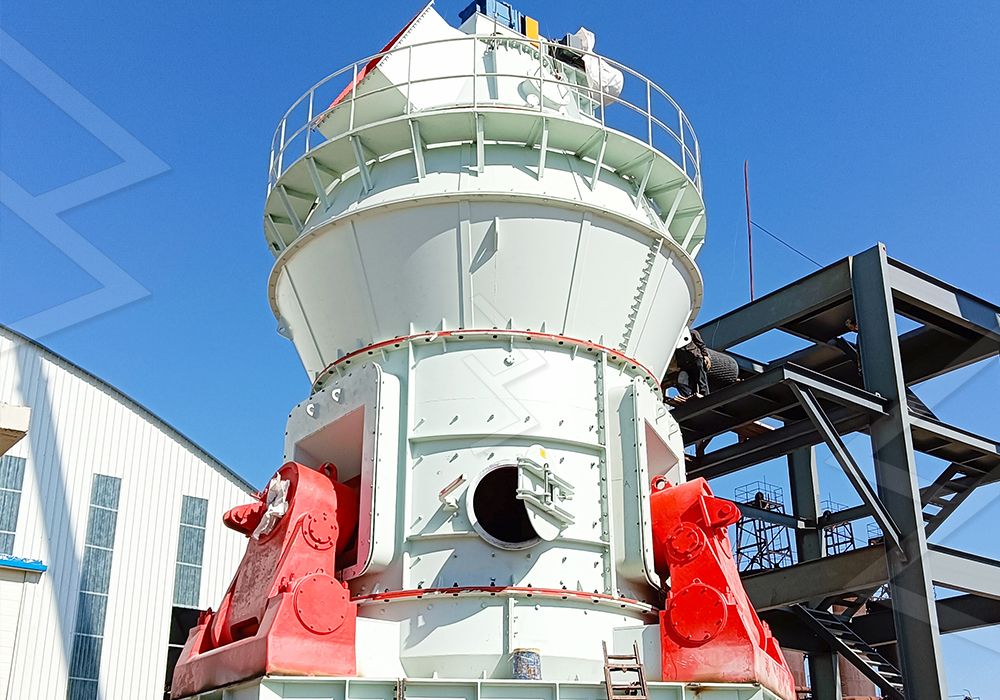
Key Considerations for 300 Mesh Anthracite Grinding
Anthracite, being the highest rank of coal, is characterized by its high carbon content and hardness. When targeting a 300-mesh fineness (approximately 50 microns), several factors become paramount. The mill must offer superior grinding efficiency to minimize energy expenditure, precise particle size control to ensure consistency, and a reliable design to handle abrasive materials with minimal downtime. Furthermore, integrated drying capabilities are often essential, as moisture content can affect grinding performance and final powder handling.
Recommended Mill Models
After evaluating various technologies, vertical roller mills consistently prove superior for fine coal grinding due to their integrated drying, grinding, and classifying functions. Two models from our portfolio stand out for this specific application.
1. LM Vertical Coal Mill
Specifically designed for pulverized coal preparation, the LM Vertical Coal Mill is an excellent choice for producing 300-mesh anthracite powder. Its design integrates crushing, drying, grinding, and powder selection in a single unit, offering a compact footprint and simplified operation. With a capacity range suitable for various production scales and the ability to handle input sizes up to 50mm, it provides exceptional flexibility. The mill’s unique grinding roller and table design ensures high grinding efficiency, reportedly saving 40%-50% in power consumption compared to traditional ball mills. The short material residence time guarantees a stable, high-quality product with minimal iron contamination.
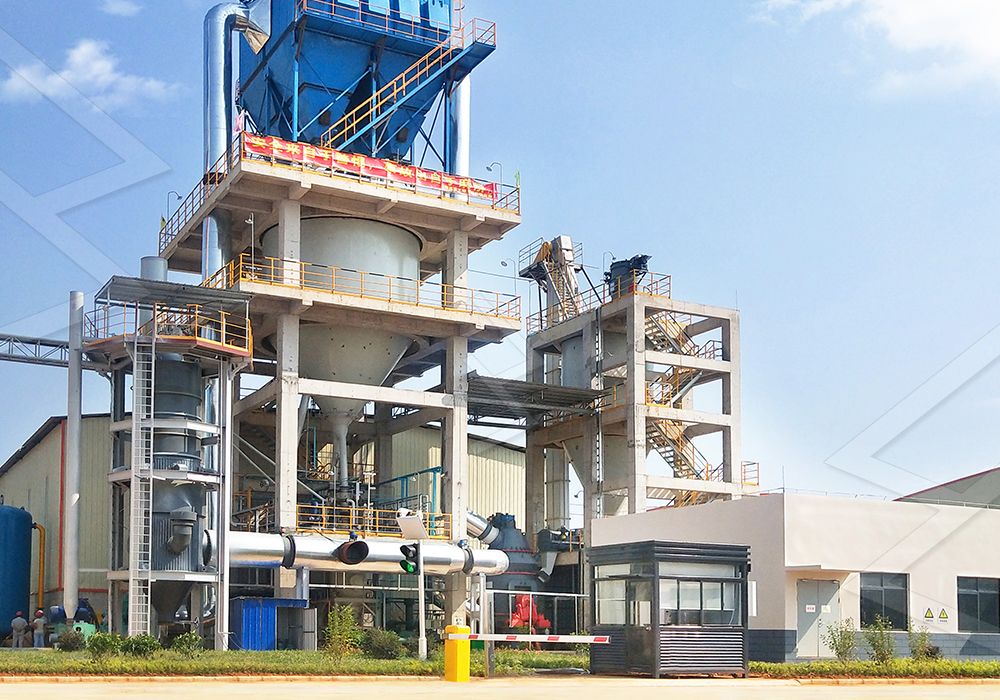
2. MW Ultrafine Grinding Mill
For operations requiring even higher fineness or exceptional powder quality, the MW Ultrafine Grinding Mill is a top-tier option. While it handles a slightly smaller input size (0-20mm), its prowess in producing powders between 325-2500 meshes is unmatched. For a 300-mesh target, it operates with remarkable efficiency, offering a production capacity that can be 40% higher than jet mills with significantly lower system energy consumption. A key advantage is its German-technology cage-type powder selector, which provides unparalleled precision in particle separation, ensuring a consistent 300-mesh output. Furthermore, the absence of rolling bearings and screws in the grinding chamber eliminates common failure points, enhancing operational reliability and allowing for continuous 24/7 production.
Why Vertical Mills Excel for Anthracite
The vertical configuration of these recommended mills is inherently advantageous. Material is ground between a rotating table and heavy rollers under hydraulic pressure. The ground material is then pneumatically conveyed to an internal classifier. Oversized particles are rejected and returned for further grinding, while the correctly sized 300-mesh powder is carried out of the mill. This closed-circuit system within a single machine body minimizes energy loss and space requirements. The direct grinding mechanism is more efficient than the impact-and-attrition method of ball mills, leading to direct savings on power costs, which constitute a major portion of operating expenses.

Conclusion
Selecting the right mill for pulverizing anthracite coal to 300 mesh is a strategic decision that impacts long-term operational efficiency and profitability. The LM Vertical Coal Mill offers a robust, high-capacity solution tailored specifically for coal, while the MW Ultrafine Grinding Mill provides superior precision and energy efficiency for demanding fine-powder applications. Both models embody the advanced engineering and reliability necessary to maximize your grinding performance.
Frequently Asked Questions (FAQ)
Q1: What is the typical energy consumption for grinding anthracite to 300 mesh with these mills?
A: Energy consumption varies with the hardness and moisture content of the feed material. However, the LM Vertical Coal Mill is designed to reduce energy consumption by 30%-40% compared to ball mills, while the MW Mill can achieve even greater efficiency for ultra-fine grinding.
Q2: Can these mills handle the feed moisture content in anthracite coal?
A: Yes, both recommended mills feature integrated hot air systems that simultaneously dry and grind the material. The LM Vertical Coal Mill, in particular, is engineered to handle materials with significant moisture content by using hot gas from a kiln or hot air generator.
Q3: How is the fineness (300 mesh) precisely controlled?
A: Fineness is controlled by an internal dynamic classifier. In the MW Mill, the advanced cage-type powder selector allows for precise adjustment of the cut point. The rotational speed of the classifier can be easily adjusted to maintain a consistent 300-mesh product, even with variations in feed rate or grindability.
Q4: What about wear protection for grinding abrasive coal?
A: The grinding rollers and tables are lined with high-chromium or other specialized wear-resistant alloys to withstand the abrasiveness of anthracite coal. These parts are designed for easy replacement to minimize maintenance downtime.
Q5: Are these mills environmentally friendly?
A: Absolutely. Both mills operate under negative pressure, preventing dust leakage. They are also equipped with high-efficiency pulse jet baghouse dust collectors and noise reduction systems, ensuring compliance with stringent environmental standards.